

A Guide to the Intercooler Hose Kit for the 2012-2016 Chevrolet Silverado 3500 HD 6.6L Duramax
If your Silverado 3500 HD is losing power or smoking, a failed intercooler hose could be the culprit.
- The factory rubber intercooler hoses on the 6.6L LML Duramax are a common failure point, leading to power loss and a P0299 code.
- Upgrading to a silicone hose kit from a brand like Gates provides superior resistance to heat, oil, and pressure for long-term reliability.
- Symptoms include a sudden loss of power, black smoke, and a hissing sound from the engine bay.
- Replacement is a feasible DIY task for most owners and is a preventative measure that can save you from being stranded.
Is Your Silverado 3500 HD Losing Power? Check the Intercooler Hoses.
The intercooler hoses on the 6.6L Duramax engine are under constant stress from heat, high pressure, and oil vapor from the crankcase ventilation (PCV) system. Over time, the original rubber hoses can become soft, swell, or crack, leading to a boost leak. This problem is especially common on trucks that are tuned or used for heavy towing, as they generate higher boost pressures and heat. A small leak can quickly turn into a complete hose failure, leaving you with a sudden loss of power.
Symptoms of a Failing Intercooler Hose
A leak in the intercooler system will cause noticeable performance issues. Here’s what to look and listen for:
🎬 Watch: How to check your Duramax for boost leaks- Significant Loss of Power: The truck will feel sluggish and slow to accelerate because the turbo cannot build proper boost.
- Black Smoke from Exhaust: When the engine gets less air than expected, it runs rich (too much fuel), causing black smoke.
- Hissing or Whistling Sound: You may hear a loud hissing or whistling noise from the engine bay during acceleration as pressurized air escapes from the leak.
- Check Engine Light: A boost leak will almost always trigger a Check Engine Light, with the most common code being P0299 (Turbocharger Underboost Condition).
- Poor Fuel Economy: An inefficient engine burns more fuel to do the same amount of work.
Known Issues
The factory rubber hoses are a known weak point. The hot-side hose, which connects directly from the turbocharger, is often the first to fail due to extreme heat and oil exposure. Forum users and mechanics report that the stock spring clamps can also lose tension, allowing hoses to blow off the intercooler pipes under boost. While there are no official recalls or widespread Technical Service Bulletins (TSBs) for this specific issue, it is a well-documented failure among Duramax owners.
Choosing the Right Aftermarket Intercooler Hose Kit
When replacing your intercooler hoses, you have a choice between standard OEM rubber and upgraded aftermarket kits.
- OEM (Original Equipment Manufacturer): OEM parts (like AC Delco) are a direct replacement for what came on your truck from the factory. They will fit perfectly but are made of the same rubber material that is prone to failure over time.
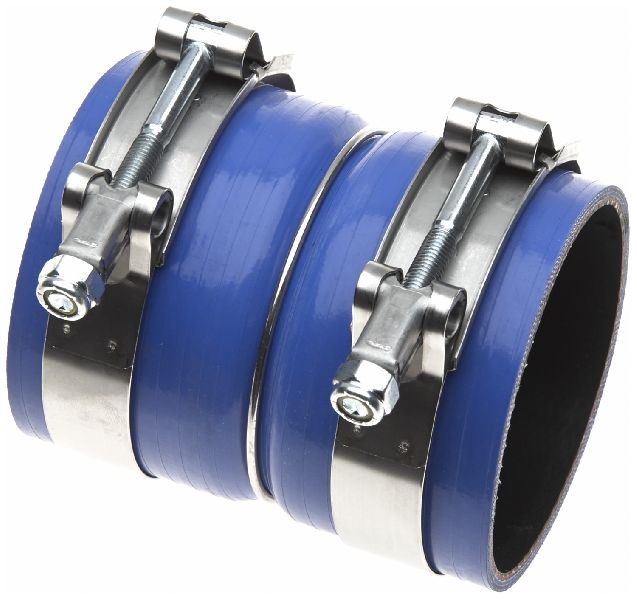
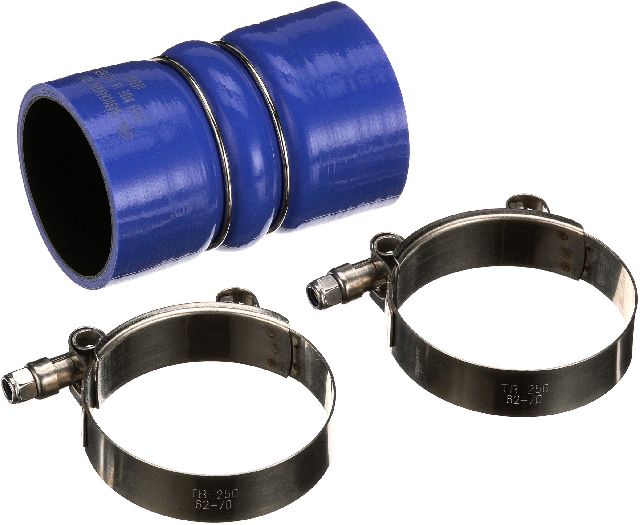
- Aftermarket (Gates): High-quality aftermarket brands like Gates offer a significant upgrade. Gates kits typically use multi-layer, reinforced silicone hoses. This material is much more resistant to heat, pressure, and oil. Many kits also include a special fluorelastomer liner to prevent oil from degrading the silicone. These kits often come with heavy-duty T-bolt clamps, which provide much stronger and more reliable sealing pressure than the factory clamps.
Pro Tip: For long-term reliability, especially if you tow or have modified your truck, an aftermarket silicone hose kit from a reputable brand like Gates is the superior choice. The improved materials and stronger clamps directly address the failure points of the factory system.
| Part Type | Estimated Cost |
|---|---|
| New OEM (AC Delco Hoses) | $80 - $110 per hose |
| New Aftermarket (Gates Silicone Kit) | $77 - $92 |
| Shop Labor | $150 - $300 |
Note: Costs are estimates and may vary based on location and supplier. OEM costs are for individual hoses, while aftermarket kits often include multiple hoses and clamps.
Frequently Asked Questions
Can I still drive my truck with a leaking intercooler hose?
You can, but it is not recommended. The truck will have very low power, produce a lot of smoke, and get poor fuel economy. A small leak can blow out completely at any time, leaving you stranded. It's best to get it repaired as soon as possible.
Is replacing the intercooler hoses a DIY job?
Yes, for someone with basic to moderate mechanical skills. Access to the clamps can be tight, especially for the hot-side hose on the driver's side. The job requires basic hand tools. Using a little spray lubricant can make it easier to slide the new, stiff silicone hoses onto the pipes. The estimated time is 1-2 hours.
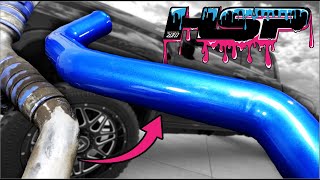
🎬 Watch this hot side intercooler pipe installation walkthroughWhat's the difference between the hot side and cold side hoses?
The "hot side" hose connects the turbo outlet to the intercooler inlet. It handles the hottest, highest-pressure air and is usually the first to fail. The "cold side" hose connects the intercooler outlet to the engine's intake manifold and handles the cooled air.
Why are T-bolt clamps better?
T-bolt clamps provide a much wider band of pressure and can be torqued to a higher specification than standard worm-gear or spring clamps. This creates a more secure, 360-degree seal that is far less likely to let a hose slip off under high boost pressure.
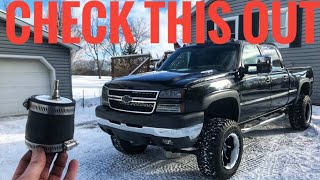
Helpful Videos

Technical Specifications
OEM Part Numbers: 26266 26265
This kit typically includes the flexible hose sections and clamps for either the hot side (turbo to intercooler) or cold side (intercooler to engine intake) of the charge air system. Aftermarket kits are often made of multi-ply reinforced silicone.
We Have This Part in Stock

The information in this article is provided for general reference and educational purposes only. Vehicle specifications, procedures, and part compatibility can vary by production date, trim level, and region. Always consult your vehicle's factory service manual and verify part numbers before purchasing or performing repairs. Safety-critical components such as airbags, seat belts, and braking systems should be installed by a qualified professional.
- Chevrolet Silverado 3500 HD: