

Ford Explorer (2012-2016) Fuel Pressure Sensor: A Complete Guide
Experiencing rough starts or poor acceleration in your Explorer? Your fuel pressure sensor might be the culprit.
- A failing fuel pressure sensor causes serious drivability issues like hard starts, poor acceleration, and stalling.
- The most common diagnostic codes are P0190, P0191, P0192, P0193, and P0194.
- Replacement is a difficult and labor-intensive job because the sensor is located under the intake manifold.
- For this part, it is highly recommended to use an OEM (Motorcraft) or a premium aftermarket brand like Bosch to ensure reliability and avoid repeat repairs.
Is Your Explorer's Fuel Pressure Sensor Failing?

When a fuel pressure sensor starts to go bad, it sends incorrect information to your vehicle's computer. This can cause a variety of noticeable engine problems. Because this sensor is so important for fuel delivery, ignoring the symptoms can lead to more serious issues, leave you stranded, or even cause damage to your engine over time.
Key Symptoms of a Bad Fuel Pressure Sensor:
- Check Engine Light: This is often the first and most obvious sign. The computer will store a trouble code, such as P0190, P0191, or P0193, when it detects a problem with the sensor's signal.
- Hard Starting: The engine may take longer than usual to start, or you might have to crank it several times. In some cases, it may not start at all.
- Rough Idle and Stalling: Your Explorer might idle unevenly, shake, or even stall unexpectedly, especially when you come to a stop.
- Poor Acceleration: You may feel like the vehicle is sluggish or hesitates when you press the gas pedal. This happens because the engine isn't getting the correct amount of fuel for the power you're demanding.
- Worse Gas Mileage: If the sensor causes the system to deliver too much fuel, you'll notice a drop in your miles per gallon (MPG).
A Note on Recalls
While there are no specific recalls for just the fuel pressure sensor on 2012-2016 models, Ford did issue recalls for related fuel system components. Recalls were announced for potential fuel tank leaks on some 2012 and 2013 Explorers (NHTSA 13V109000) and for improperly tightened fuel tank bolts on some 2016 models (NHTSA 15S26). A fuel leak can increase the risk of a fire. It is wise to check with a dealer or on the NHTSA website to see if your specific vehicle was affected.
Choosing the Right Aftermarket Sensor

When it's time to replace the sensor, you have a choice between OEM (Original Equipment Manufacturer) and aftermarket parts. For a critical component like this, quality matters.
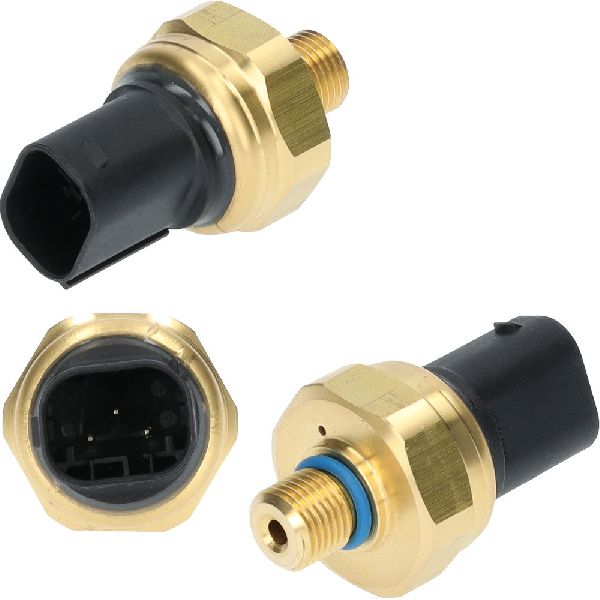
- OEM / Motorcraft: This is the part your Explorer came with from the factory. It's the safest bet for fit and performance. Many experienced owners and mechanics recommend sticking with Motorcraft for electronic sensors to avoid compatibility issues.
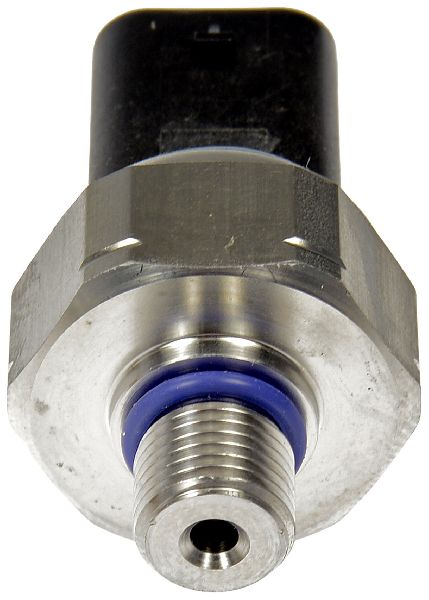
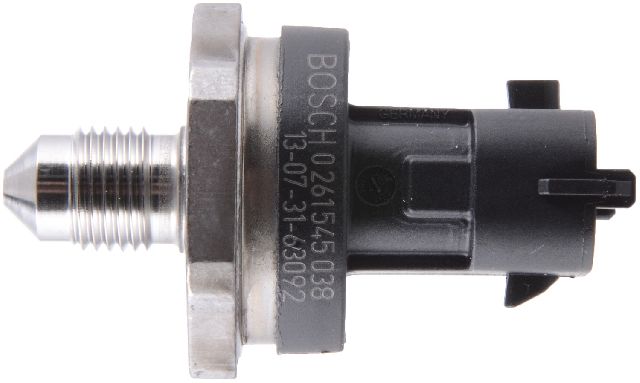
- Premium Aftermarket (Bosch, Standard Ignition): Brands like Bosch are often OEM suppliers for many car manufacturers and have a reputation for high quality. Standard Ignition (also known as SMP) is another well-regarded aftermarket brand that produces reliable sensors. These are strong alternatives to OEM.
- Value-Priced Aftermarket (Dorman, Global Parts): These brands offer a more budget-friendly option. While Dorman provides a wide range of parts, forum discussions indicate that for critical electronic sensors, paying a bit more for an OEM or premium brand can prevent future headaches.
| Part Type | Estimated Part Cost |
|---|---|
| New OEM (Motorcraft) | $80 - $135 |
| New Aftermarket | $70 - $120 |
| Shop Labor | $350 - $600+ |
Note: Labor costs are high because on most 2012-2016 Explorers, the sensor is located under the upper intake manifold, which must be removed for access. This is a labor-intensive job.
Pro Tip: While You're In There
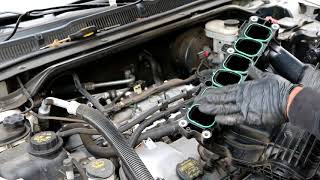
Since replacing the fuel pressure sensor requires removing the intake manifold, this is the perfect time to replace the intake manifold gaskets. These gaskets are inexpensive and should always be replaced when the manifold is removed to prevent vacuum leaks. You may also consider replacing other hard-to-reach components like the knock sensor if your vehicle has high mileage.
Frequently Asked Questions (FAQ)

Where is the fuel pressure sensor located on a 2012-2016 Ford Explorer?
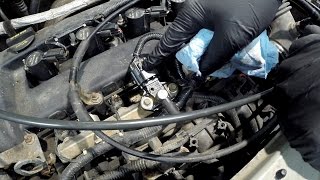
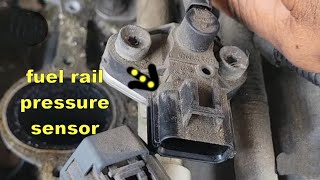
On most 2012-2016 Ford Explorers, regardless of the engine, the fuel rail pressure sensor is located on the fuel rail underneath the upper intake manifold. This location makes it difficult to access and is the reason for the high labor cost for replacement.
Can I replace the fuel pressure sensor myself?
This is an advanced DIY job. It requires removing the upper intake manifold, which can be complex and time-consuming. You must also relieve the pressure from the fuel system before starting, which can be dangerous if not done correctly. For most owners, this repair is best left to a qualified mechanic.
What causes a fuel pressure sensor to fail?
Failure can be caused by several factors. The sensor can simply fail electronically from age, heat, and vibration. It can also be damaged by corrosion on the electrical connector or problems within the wiring harness. In some cases, extreme pressure fluctuations in the fuel system can also contribute to its failure.
Is an OEM sensor really better than aftermarket for my Explorer?
For critical electronic sensors, using an OEM (Motorcraft) or a top-tier aftermarket brand like Bosch is highly recommended. Cheaper aftermarket sensors can sometimes have lower quality control, leading to incorrect readings, a persistent check engine light, or premature failure, forcing you to do the expensive labor all over again.
Helpful Videos
Technical Specifications
OEM Part Numbers: AA5Z-9F972-A (3.5L Turbo) BM5Z-9F972-A (2.0L EcoBoost) BU5Z-9F972-B (CM-5250) 8W83-9F972-AA
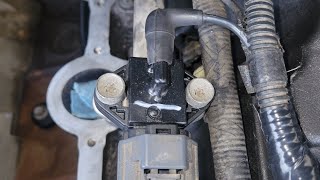
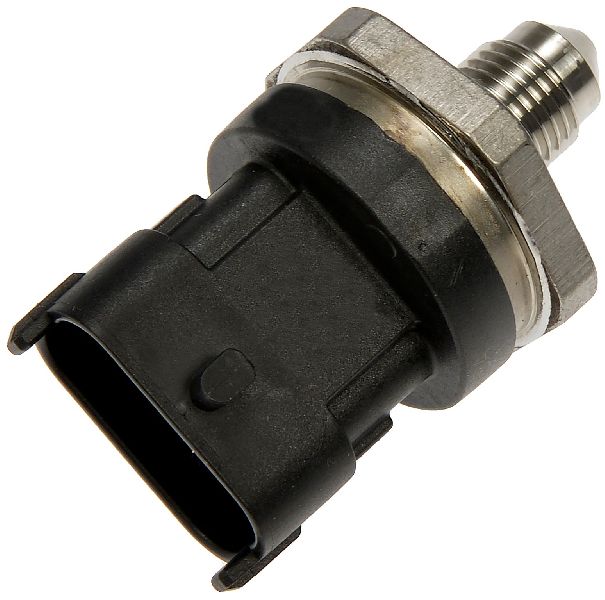
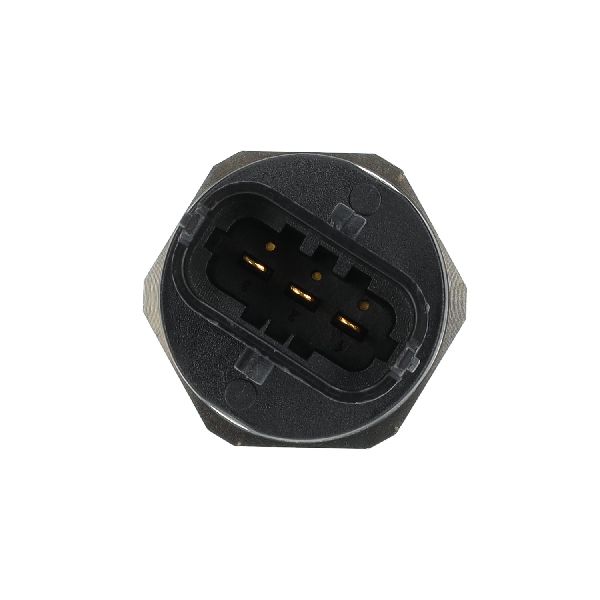
The fuel pressure sensor for the 2012-2016 Ford Explorer is a 3-pin electronic sensor that mounts to the engine's fuel rail. It is typically held in place by two T30 Torx screws.
We Have This Part in Stock


The information in this article is provided for general reference and educational purposes only. Vehicle specifications, procedures, and part compatibility can vary by production date, trim level, and region. Always consult your vehicle's factory service manual and verify part numbers before purchasing or performing repairs. Safety-critical components such as airbags, seat belts, and braking systems should be installed by a qualified professional.
- Ford Explorer: