

Honda Civic VVT (VTEC) Solenoid Guide for 2012-2016 Models
Experiencing a rough idle, poor fuel economy, or a check engine light? Your Civic's VVT solenoid might be the problem.
- A failing VVT solenoid on a 2012-2016 Civic often causes a check engine light (P0011), rough idle, and oil leaks.
- Always check your engine oil level and condition first; low or dirty oil can cause the same symptoms.
- Replacement is a DIY-friendly job, typically taking about an hour with basic tools.
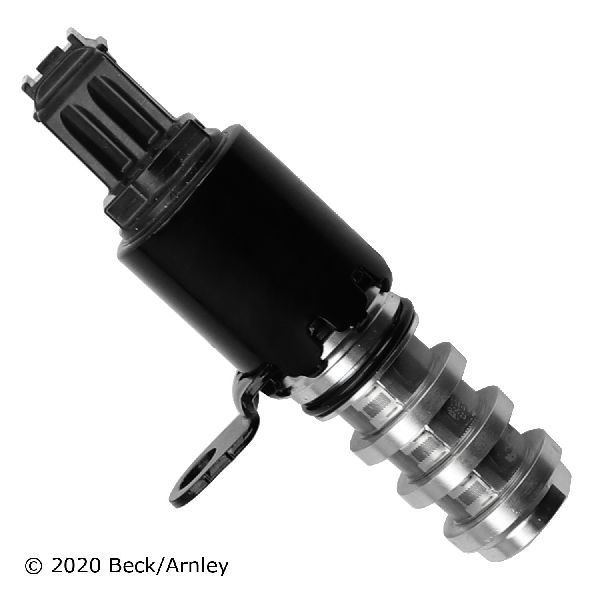
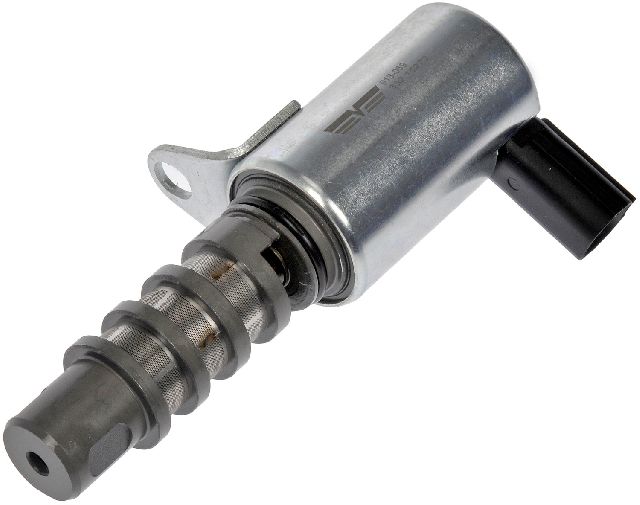
- For aftermarket parts, brands like Beck Arnley and Standard Ignition are considered reliable, while Dorman is a budget option with mixed reviews for electronics.
Is My VVT Solenoid Failing?

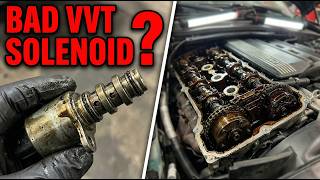
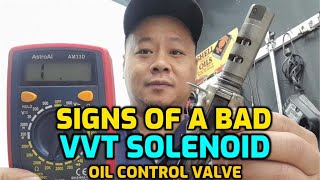
A bad VVT solenoid in your 2012-2016 Civic can cause several noticeable issues. Because the solenoid's main job is to control oil pressure to adjust engine timing, many symptoms are related to poor engine performance. 🎬 Watch this video to see common VVT solenoid failure symptoms. The most common cause of failure is old or dirty engine oil, which can clog the small screens and passages inside the solenoid assembly.
Common Symptoms of a Bad VVT Solenoid:
- Check Engine Light: This is often the first sign. You may see codes like P0010, P0011, or P0012.
- Rough Idle and Stalling: The engine may shake, run unevenly, or even stall when you're stopped.
- Poor Acceleration: Your Civic might feel sluggish or hesitant when you press the gas pedal.
- Worse Fuel Economy: If the engine timing is stuck in a performance mode, it will burn more gas than usual.
- Engine Noise: You might hear a rattling or ticking sound from the engine, especially during acceleration.
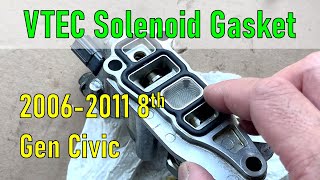
- Visible Oil Leaks: The gasket for the solenoid assembly is a common failure point, leading to oil leaking down the back of the engine. 🎬 Learn how to repair a leaking VTEC solenoid gasket here.
Choosing the Right Aftermarket VVT Solenoid

When replacing the VVT solenoid on your Civic, you have a choice between OEM (Original Equipment Manufacturer) and various aftermarket brands. While OEM parts guarantee a perfect fit, high-quality aftermarket options can offer similar performance for less money. However, quality can vary significantly between brands.
Brand Quality Tiers for Honda Civic
- Top-Tier Aftermarket (OEM-Equivalent): Brands like Beck Arnley and Standard Ignition (SMP) have a strong reputation for sourcing parts from OEM suppliers or manufacturing to strict OE specifications. Forum users often report that Beck Arnley parts sometimes arrive in original OEM packaging. Hitachi is another brand often cited as an OEM supplier for Honda's electronic parts, including Keihin-branded solenoids. These are your most reliable aftermarket choices.
- Mid-Tier/Value Brands: Dorman is a well-known brand that produces a huge range of parts and sometimes improves on OEM designs. However, for electronic components like solenoids, owner experiences are mixed. Some report premature failure, while others have no issues. It can be a good budget-friendly option, but may carry a higher risk of needing to be replaced again sooner than a top-tier part.
- Other Brands: Gates, Holstein, and Walker Products are also established names in the aftermarket, but specific reviews for VVT solenoids on this generation of Civic are less common. When choosing from these brands, look for detailed specifications and warranty information.
Pro Tip: Before replacing the solenoid, check your engine oil level and condition. Low or dirty oil is the number one cause of VVT system problems and can mimic the symptoms of a failed solenoid. An oil change might solve your issue.
Cost of Replacing a VVT Solenoid (2012-2016 Honda Civic)
The cost can vary depending on the part you choose and whether you do the work yourself or hire a professional.
| Part/Service | Estimated Cost |
|---|---|
| New OEM Solenoid | $140 - $210 |
| New Aftermarket Solenoid | $58 - $1029 (Note: The high end of this range may reflect kits or miscategorized parts; most single solenoids fall in the $60-$250 range.) |
| Shop Labor | $100 - $200 |
| Total Professional Replacement | $200 - $450+ |
Frequently Asked Questions (FAQ)

Can I just clean my VVT solenoid instead of replacing it?
Sometimes, yes. If the issue is caused by sludge or debris clogging the internal screens, you can try removing the solenoid and cleaning it with brake cleaner. Many owners have successfully restored function this way. However, if the solenoid has failed electrically or is mechanically stuck, cleaning won't help and it will need to be replaced.
How many VVT solenoids does my 2012-2016 Civic have?
The 1.8L engine (R18Z1) used in most 2012-2016 Civics has one VVT solenoid assembly, also known as the VTEC spool valve. It is located on the rear passenger side of the engine.
Is replacing the VVT solenoid a difficult DIY job?
For a DIYer with basic tools, this is a very manageable job. The solenoid is held on by three 10mm bolts and has two electrical connectors. The main challenge is the tight workspace at the back of the engine. The entire process typically takes about an hour.
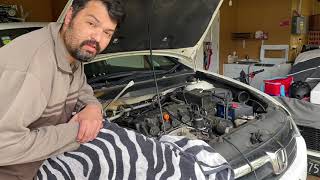
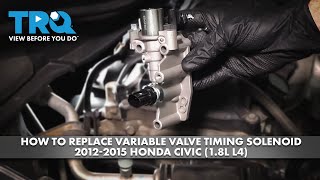
🎬 Follow this step-by-step guide to replace your Civic's VVT solenoid.What happens if I don't replace a bad VVT solenoid?
Ignoring a failing VVT solenoid can lead to more serious problems. Persistently incorrect engine timing can cause poor performance, high fuel consumption, and increased engine wear. In severe cases, it can contribute to damage to other components like the timing chain or camshafts, leading to much more expensive repairs.
Helpful Videos
Technical Specifications
OEM Part Numbers: 15810-R1A-A01
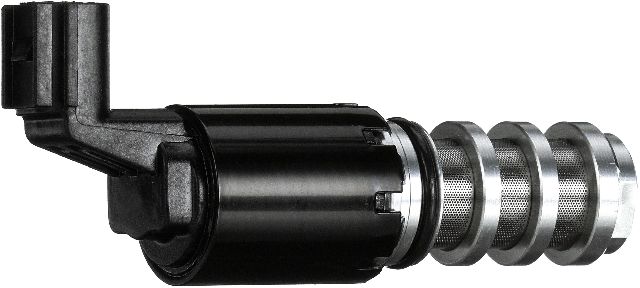
The VVT Solenoid for the 2012-2016 Honda Civic 1.8L is a complete spool valve assembly. It includes the solenoid, oil pressure switch, and the necessary gasket. It is mounted to the rear of the cylinder head with three 10mm bolts.
We Have This Part in Stock


The information in this article is provided for general reference and educational purposes only. Vehicle specifications, procedures, and part compatibility can vary by production date, trim level, and region. Always consult your vehicle's factory service manual and verify part numbers before purchasing or performing repairs. Safety-critical components such as airbags, seat belts, and braking systems should be installed by a qualified professional.
- Honda Civic: