

A Guide to Ignition Coils for the 2012-2016 Mini Cooper
Solve engine misfires and rough idling by choosing the right replacement ignition coil for your Mini.
- For 2nd Gen (R-Series) Minis, a TSB recommends replacing original Bosch coils with Delphi coils for better reliability.
- Always replace all four ignition coils at once, not just the one that failed.
- This is a very easy DIY repair that can be done in under 30 minutes with basic tools.
- Stick to OEM-supplier brands like Delphi, Bosch, or NGK; avoid cheap, unbranded coils which are known to fail quickly.
Is Your Mini Cooper's Ignition Coil Failing?

A bad ignition coil on a 2012-2016 Mini Cooper will make itself known through several clear symptoms. Because these cars use a separate coil for each spark plug (a 'coil-on-plug' system), a single failing coil can disrupt the engine's smooth operation. You will likely notice one or more of the following signs:
- Engine Misfires and Rough Idle: The most common symptom is a misfiring engine. This can feel like a shudder, a vibration at a stoplight, or a sputtering, coughing sound when you start the car.
- Check Engine Light: A failing coil will almost always trigger the check engine light. When you scan the codes, you'll likely see codes like P0300 (random misfire) or P0301, P0302, P0303, P0304, which point to a misfire in a specific cylinder.
- Hesitation and Power Loss: When you try to accelerate, the car may jerk, hesitate, or feel sluggish because the engine isn't producing full power.
- Poor Fuel Economy: If a cylinder isn't firing correctly, unburned fuel can pass through the engine, wasting gas and causing you to fill up more often.
A Note on Mini Cooper Generations (2012-2016)
This year range includes two different Mini generations that use different engines and different ignition coils. It is critical to buy the correct part for your specific car.
- 2nd Generation (2012-2016 R-Series): This includes models like the R56 Hardtop (through 2013), R57 Convertible, R60 Countryman, and R61 Paceman. These typically use the N14, N16, or N18 engine. The correct OEM part number is 12-13-8-616-153 or a superseded number.
- 3rd Generation (2014-2016 F-Series): This includes the F56 Hardtop (starting in 2014) and F55 4-Door. These use the newer B38 or B48 engines and require a different ignition coil, such as part number 12-13-8-643-360.
Always verify the part fitment using your vehicle's VIN before purchasing.
Known Issues: A TSB for 2nd Gen Mini Coils

MINI released a Technical Service Bulletin (TSB) for 2nd generation models with the N16 engine (SI M12 01 15). It noted that the original-equipment Bosch ignition coils could fail over time due to temperature changes. The official recommendation was to replace all four coils with Delphi-branded coils if one failed. This suggests that for these specific models, Delphi coils are a more durable choice than the original Bosch parts. MINI even extended the warranty on these parts to 10 years or 120,000 miles, showing it was a known problem.
Choosing the Right Aftermarket Ignition Coil

When shopping for a new aftermarket coil, quality matters. For German-engineered cars like the Mini, sticking with an OEM-supplier brand is a safe bet. Cheaper, unknown brands have a reputation for failing quickly.
Brand Quality Tiers
- Tier 1: OEM-Equivalent (Recommended): These brands are known to manufacture the original parts for MINI. They offer the best quality and reliability. Look for Delphi (especially for 2nd Gen models, per the TSB), Bosch, and NGK.
- Tier 2: Reputable Aftermarket: Brands like Spectra Premium and Standard Ignition (SMP) are established names that offer a balance of quality and price.
- Tier 3: Value Brands: Brands like DriveWire or other house brands offer the lowest price but may have a shorter lifespan. They can work in a pinch, but are not recommended for long-term reliability.
Cost of Replacing a Mini Cooper Ignition Coil
| Part Type | Typical Cost (Set of 4) |
|---|---|
| New OEM (Dealership) | $250 - $450+ |
| New Aftermarket (OEM-Equivalent) | $120 - $250 |
| New Aftermarket (Value) | $80 - $120 |
| Shop Labor | $75 - $150 |
Frequently Asked Questions

Can I replace just one ignition coil?
You can, but it's not recommended. All coils have the same amount of wear. Replacing only the one that failed often leads to another one failing soon after. Replacing all four at once is a reliable, long-term repair.
Is this a difficult DIY job?
No, this is one of the easiest repairs you can do on a Mini Cooper. The coils are located directly on top of the engine and are held in by a single connector. The job requires minimal tools and can usually be done in under 30 minutes.
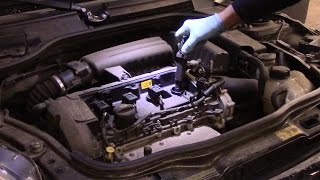
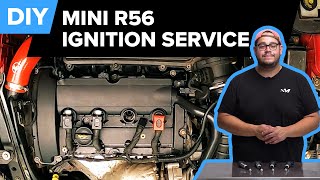
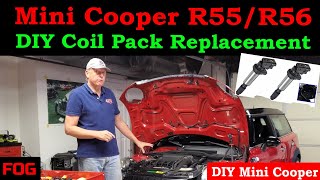
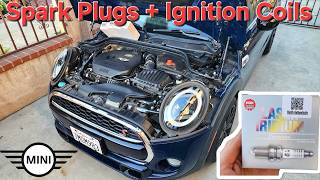
🎬 See this step-by-step coil replacement guide for R56 models.How do I know which cylinder's coil is bad?
An OBD2 scanner will give you a code like 'P0302', which means cylinder 2 is misfiring. The cylinders on a Mini are numbered 1-2-3-4, starting from the passenger side of the engine and moving toward the driver's side. You can also swap the suspected bad coil with a known good one from another cylinder. If the misfire code follows the coil to the new cylinder, you've confirmed the coil is the problem.
🎬 Watch: How to diagnose and clear these specific misfire codes.What is the difference between OEM and aftermarket coils?
OEM (Original Equipment Manufacturer) coils are the exact parts your Mini was built with. High-quality aftermarket coils from brands like Delphi or Bosch are often made in the same factories to the same standards, just sold in a different box at a lower price. Low-quality aftermarket coils use cheaper materials and are more likely to fail early.
Helpful Videos
Technical Specifications
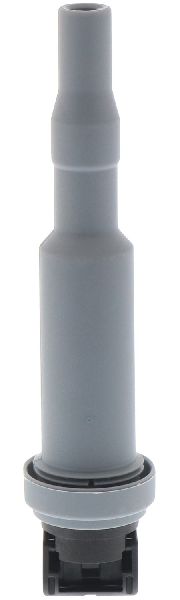
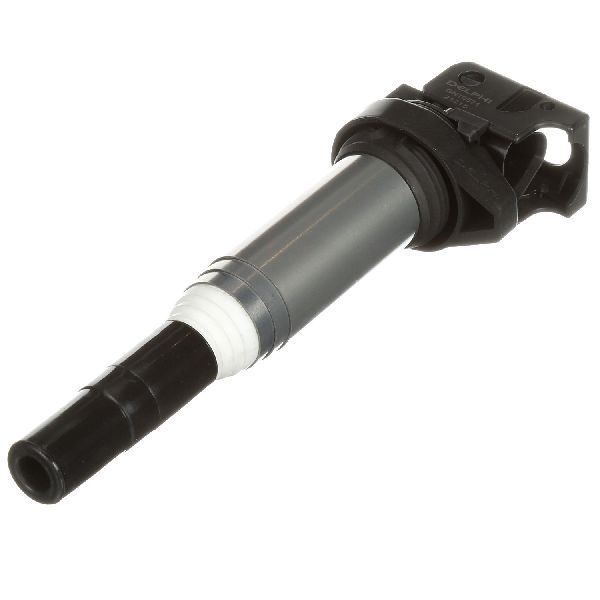
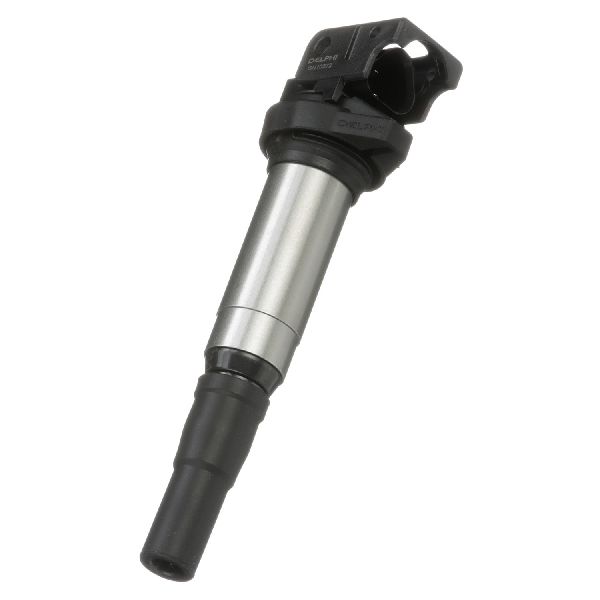
OEM Part Numbers: 12-13-8-616-153 12-13-7-594-937 12-13-7-575-010 12-13-7-571-643 12-13-7-562-744
This guide primarily covers the coil-on-plug ignition coils for 2nd Generation (R55, R56, R57, R58, R59, R60, R61) Mini Coopers with N14, N16, and N18 engines. 3rd Generation (F-Series) models use a different part.
We Have This Part in Stock
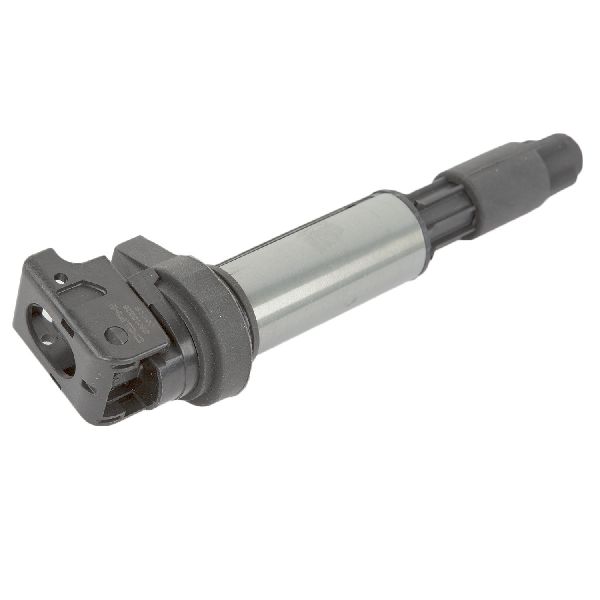

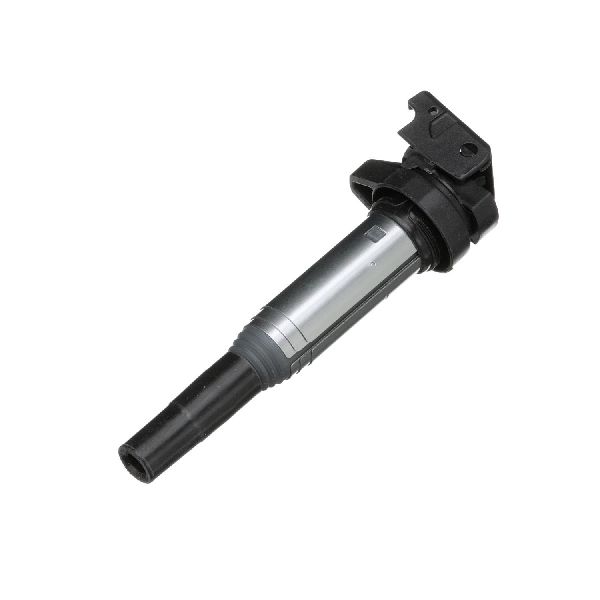

The information in this article is provided for general reference and educational purposes only. Vehicle specifications, procedures, and part compatibility can vary by production date, trim level, and region. Always consult your vehicle's factory service manual and verify part numbers before purchasing or performing repairs. Safety-critical components such as airbags, seat belts, and braking systems should be installed by a qualified professional.
- Mini Cooper:
- 🎬 Helpful Videos
- 🛍️ Shop This Part
- Is Your Mini Cooper's Ignition Coil Failing?
- A Note on Mini Cooper Generations (2012-2016)
- Known Issues: A TSB for 2nd Gen Mini Coils
- Choosing the Right Aftermarket Ignition Coil
- Brand Quality Tiers
- Cost of Replacing a Mini Cooper Ignition Coil
- Frequently Asked Questions
- 🎟️ Get 5% Off