

Subaru WRX Engine Coolant Bypass Hose Guide (2012-2016)
Don't let a small, inexpensive hose cause a major engine problem in your WRX.
- Verify your engine type: 2012-2014 models use the 2.5L EJ255, and 2015-2016 models use the 2.0L FA20DIT. They use different hoses.
- A sweet smell or the need to constantly add coolant are early warnings of a leak.
- Labor is the biggest part of the replacement cost; the hose itself is inexpensive.
- Always replace hose clamps with the hose to ensure a secure, leak-free seal.
Engine Differences: 2012-2014 vs. 2015-2016 WRX
It is critical to know which engine your WRX has before ordering parts. The 2012-2014 WRX uses the 2.5L EJ255 engine, while the 2015-2016 WRX uses the newer 2.0L FA20DIT engine. These engines have different cooling system layouts and use different bypass hoses. Always verify the part fits your specific year and engine.
Symptoms of a Failing Coolant Bypass Hose
A failing bypass hose typically results in a coolant leak. Because these hoses are often tucked away under the intake manifold or near the turbo, a leak may not be immediately obvious. Look for these signs:
- Sweet Smell: You may smell the sweet scent of hot coolant from the engine bay or through your cabin vents before you see a leak.
- Visible Leaks or Stains: As a leak worsens, you might see puddles of green, blue, or pink fluid under your car. You may also notice white or colored crusty residue on the engine or on other hoses where coolant has leaked and evaporated.
- Steam from Engine Bay: Coolant dripping onto a hot turbo or exhaust pipe will create steam that can be seen coming from under the hood, especially when stopped.
- Engine Overheating: A significant coolant leak will cause the engine temperature gauge to rise. Driving with an overheating engine can cause severe and permanent damage.
- Low Coolant Level: You may find yourself needing to top off the coolant reservoir more frequently than usual.
Choosing the Right Aftermarket Hose
When replacing a coolant bypass hose, you have a few options. While OEM hoses from Subaru are always a safe bet, high-quality aftermarket brands offer comparable performance at a good price.
OEM vs. Aftermarket (Gates):
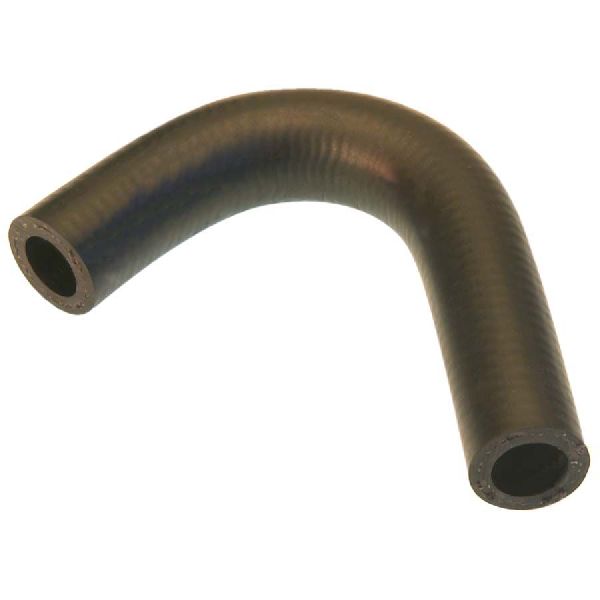
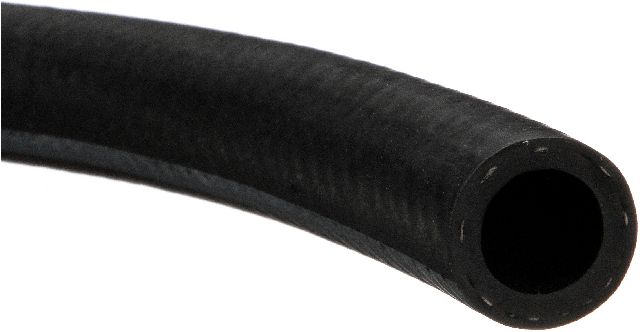
For a daily driven WRX, a new aftermarket hose from a reputable brand like Gates is an excellent choice. Gates is a well-known manufacturer that produces parts meeting or exceeding OEM specifications. Their hoses are typically made from high-quality EPDM rubber, which is engineered to resist heat, ozone, and electrochemical degradation—the leading cause of hose failure. In terms of quality and longevity for this specific part, there is no significant disadvantage to choosing a Gates hose over an OEM one, and it may save you a few dollars.
Pro Tip: Always replace the hose clamps when you replace a coolant hose. Old spring clamps can lose tension over time, and worm-gear clamps can be damaged. New clamps are cheap insurance against future leaks. Gates often recommends this as a best practice.
| Part Type | Our Price Range | Notes |
|---|---|---|
| New Aftermarket (Gates) | $17.52 - $23.43 | OEM-equivalent quality, made from durable EPDM rubber. |
| New OEM | $10 - $25 | Direct replacement from Subaru. Prices vary by specific hose. |
Frequently Asked Questions (FAQ)
What does an engine coolant bypass hose do on a WRX?
It allows coolant to circulate through parts of the engine, throttle body, or turbocharger when the main radiator thermostat is closed. This helps the engine warm up properly and regulates the temperature of critical components.
Is an OEM hose better than a Gates aftermarket hose?
For standard bypass hoses, a Gates hose is considered an OEM-equivalent replacement. It offers similar durability and fitment using modern EPDM rubber materials, often at a lower cost. For most owners, there is no practical difference in performance or lifespan.
How often should I replace my WRX's coolant hoses?
There is no strict replacement interval, but it's good practice to inspect all coolant hoses during major services or any time the cooling system is drained. Hoses become hard, brittle, and swollen with age and heat exposure. Many owners proactively replace all major coolant hoses after 8-10 years or around 100,000 miles to prevent unexpected failures.
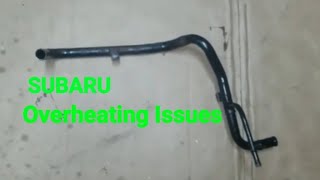
🎬 Learn how to install new O-rings for preventive maintenanceCan I replace a coolant bypass hose myself? 🎬 See a walkthrough of a coolant bypass line replacement
It depends on the hose's location and your mechanical skill. Some bypass hoses are easily accessible, while others are buried under the intake manifold or next to the turbo, requiring significant disassembly. If the hose is hard to reach, the job is best left to a professional. The replacement itself is simple, but access is the main challenge.
Helpful Videos
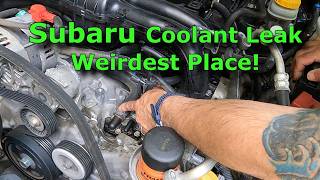
Technical Specifications
OEM Part Numbers: 807612011 807615182 99078AA450
The key material for a quality replacement hose is EPDM (Ethylene Propylene Diene Monomer) rubber. This material is designed to resist heat, chemicals, and electrochemical degradation, which is the primary cause of hose failure. Ensure any aftermarket hose meets or exceeds SAE 20R4 specifications.
We Have This Part in Stock

The information in this article is provided for general reference and educational purposes only. Vehicle specifications, procedures, and part compatibility can vary by production date, trim level, and region. Always consult your vehicle's factory service manual and verify part numbers before purchasing or performing repairs. Safety-critical components such as airbags, seat belts, and braking systems should be installed by a qualified professional.
- Subaru WRX: