

A Guide to Aftermarket Brake Pads for the 2012-2016 Tesla Model S
Understanding brake pad choices for your Model S is different than for a gas-powered car.
- Due to regenerative braking, Model S brake pads last a long time, but the system needs regular service to prevent rust and seized parts.
- Noises like squealing are common due to light rust from infrequent use and can often be cleared by a few firm stops.
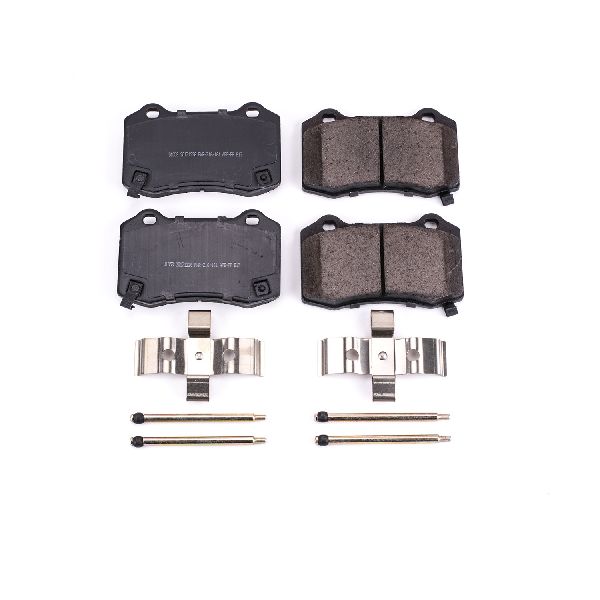
- Choose quality ceramic aftermarket pads from brands like Brembo, Akebono, or Powerstop for quiet, low-dust performance.
- Rear brake pad replacement requires putting the car in 'EPB Service Mode' via the touchscreen to avoid damaging the calipers.
Understanding Brake Pads and Your Model S


The 2012-2016 Tesla Model S relies heavily on regenerative braking, which uses the electric motor to slow the car and recharge the battery. This means the traditional disc brake pads are used far less often than in a gasoline-powered vehicle. While this leads to extremely long pad life—often over 100,000 miles—it creates a unique problem: the brake components can suffer from a lack of use. Rust can build up on rotors and pads, and caliper pins can seize, leading to noise and potential brake drag.
Symptoms of Failing Brake Pads
Even with infrequent use, brake pads will eventually need replacement. Here’s what to look and listen for:
- Squealing or Grinding Noises: A high-pitched squeal is a common first sign. This can happen due to moisture or rust from sitting, but if it persists, it means the pads are worn. A grinding sound indicates the pads are completely worn out, and you are hearing metal-on-metal, which can damage the brake rotors.
- Vibration When Braking: If you feel a pulsing in the brake pedal or a vibration through the car when you brake, it could be a sign of warped rotors, often caused by worn pads or sticking calipers.
- Visible Thinness: You can sometimes see the brake pads through the wheels. New pads have a thickness of about 8-9mm. If they look to be 2-3mm thick, it's time for a replacement.
A Note on Rust and Noise
Because Model S pads are used so little, a thin layer of rust can form on the rotors after rain or in humid weather, causing a squeaking or scraping sound on the first few stops. This is generally normal. Performing a few firm stops from a moderate speed can help clean the rotor surface. However, persistent noise points to a larger issue.
Choosing the Right Aftermarket Brake Pads

Many 2012-2016 Model S vehicles were originally equipped with high-quality Brembo brakes from the factory. When choosing an aftermarket replacement, you have several options that can match or change your car's braking feel, noise, and dust levels.
Brand Tiers
- Premium OEM-Equivalent Brands (Brembo, Akebono, TRW): These brands often supply original parts to car manufacturers. Choosing a ceramic pad from Brembo or Akebono will give you a factory-like performance with reliable, quiet stopping power. TRW is another trusted OEM supplier offering quality replacement options.
- Performance Brands (EBC Brakes, Hawk Performance, Powerstop): These brands are for owners looking to enhance braking performance. EBC offers different compounds like their RedStuff for low dust street performance or YellowStuff for more aggressive driving. Hawk pads are known for high-performance applications, providing excellent stopping power. Powerstop offers a good balance of performance and value, often in kits that include rotors.
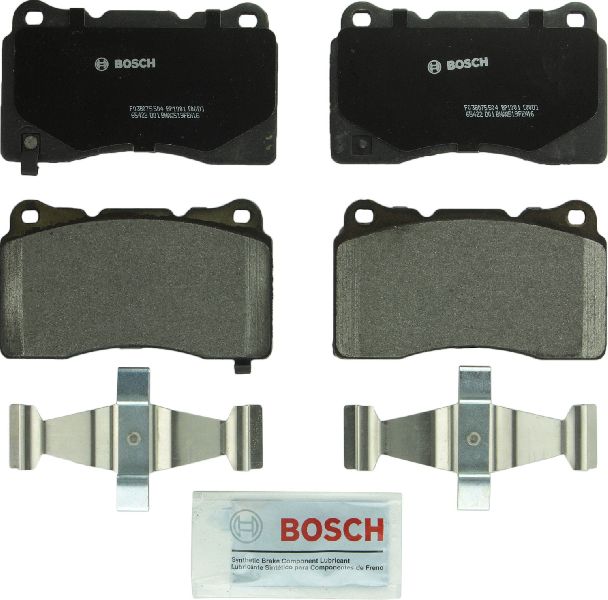
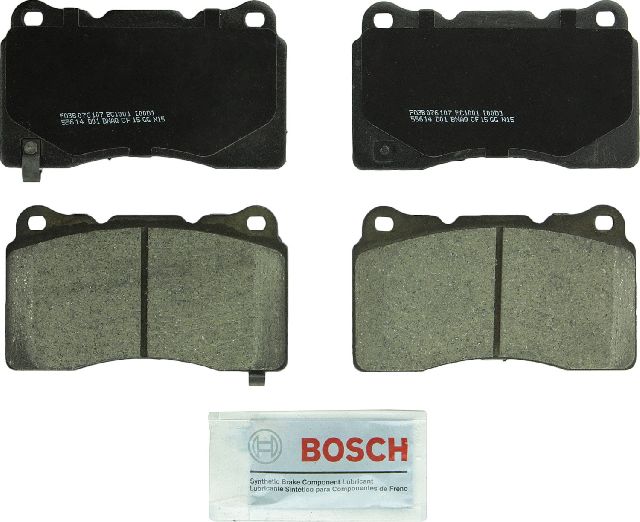
- Value-Oriented Brands (Bosch, Centric, Dynamic Friction, Raybestos): These brands provide reliable, budget-friendly options that meet or exceed standard OEM quality. A ceramic pad from Bosch or Centric is a solid choice for daily driving, offering low noise and dust at a good price point.
Pro Tip: Ceramic vs. Semi-Metallic
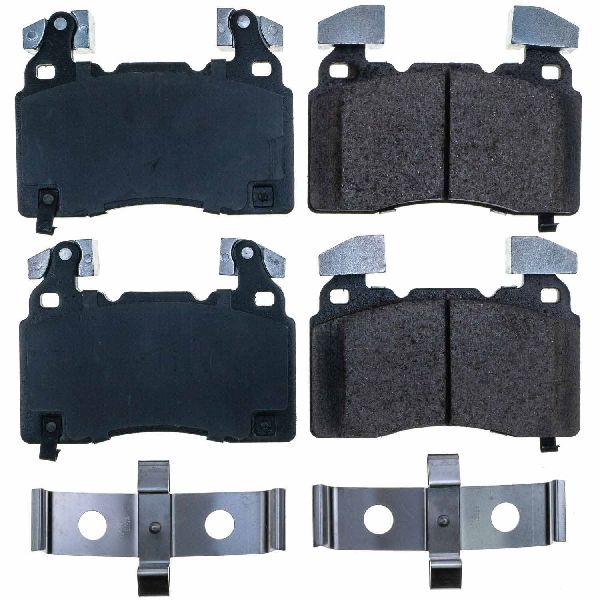
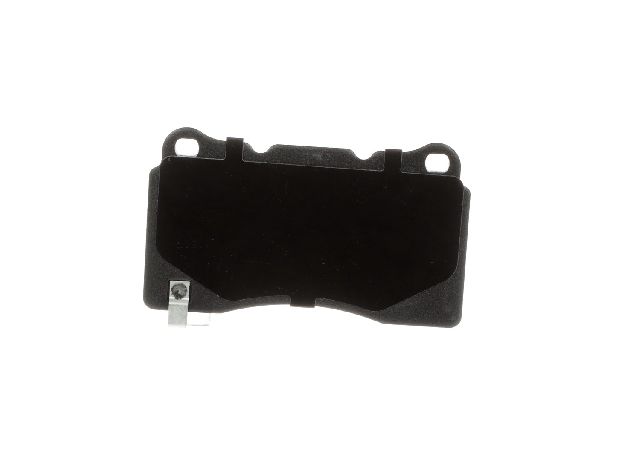
For a Tesla Model S, ceramic brake pads are almost always the best choice. They are quiet, produce very little dust, and are more than capable of handling the braking duties that regenerative braking doesn't. Semi-metallic pads can be noisy and are overkill for a vehicle that uses its friction brakes so infrequently.
Known Issues, Recalls, and TSBs

For the 2012-2016 Model S, there was a recall on certain 2016 models for the electric parking brake (EPB) calipers, which could have an improperly manufactured internal gear (Recall SB-17-33-002). This could prevent the parking brake from holding or releasing properly. While this recall was for the caliper, not the pads, it's important to be aware of the system's history. There are no major recalls or widespread TSBs specifically for the brake pads themselves, as wear is minimal. Most service actions relate to cleaning and lubricating brake components due to lack of use.
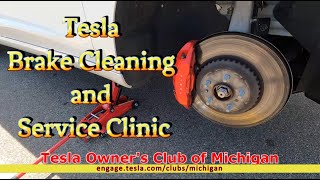
🎬 Watch a Tesla owner's clinic on cleaning and servicing your brakes.Installation Considerations
Replacing brake pads on a Model S is more complex than on a standard car due to the electronic parking brake (EPB). To replace the rear pads, the EPB must be put into a special "Service Mode" using the vehicle's touchscreen or specific software. Failure to do this can damage the caliper motors. The front brakes on many models are a Brembo fixed-caliper design, which is more straightforward.
🎬 See how to replace front brake pads in this DIY guide.| Pad Set | Price Range (Parts Only) | Notes |
|---|---|---|
| Front Brake Pad Set | $30 - $250 | Price varies significantly by brand and material. |
| Rear Brake Pad Set | $30 - $200 | Requires EPB service mode for installation. |
| Shop Labor (Per Axle) | $150 - $300 | Labor costs can be higher due to the need for EPB service procedures. |
Frequently Asked Questions
Why are my Tesla's brakes so noisy if I barely use them?
The noise is usually caused by a light coating of rust and debris that builds up on the brake rotors from lack of use, especially after rain or in humid climates. This is normal for many Teslas. Performing a few hard stops can often clean the surface and quiet them down. If the noise persists, it's time for an inspection.
Do I need special brake pads for a Tesla?
While you don't need a "Tesla-specific" brand, you should choose high-quality ceramic pads designed for your Model S. The original brakes are often Brembo, so choosing an OEM-equivalent like Brembo or Akebono is a safe bet for factory performance and low noise.
Can I replace just the brake pads?
Yes, if the brake rotors are still in good condition (not warped, grooved, or below the minimum thickness specification). However, because of the low-use nature of Tesla brakes, rotors can develop rust pitting. It's common to replace pads and rotors at the same time to ensure smooth, quiet operation.
What is "Brake Service Mode" and do I need it?
Brake Service Mode is a software setting in your Tesla that retracts the electronic parking brake calipers on the rear wheels, allowing the pads and rotors to be removed. You absolutely must use this mode to service the rear brakes. Attempting to force the caliper piston back without using this mode will damage the parking brake motor.
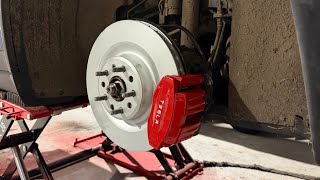
🎬 Learn how to replace rear pads and rotors with Mando calipers.Helpful Videos
Technical Specifications
OEM Part Numbers: 1068331-00-C 800824600C
Brake Pad Material: Primarily Ceramic. Front Pad New Thickness: 9.0 mm. Rear Pad New Thickness: 8.0 mm. Minimum Pad Thickness: 2.0 mm.
We Have This Part in Stock


The information in this article is provided for general reference and educational purposes only. Vehicle specifications, procedures, and part compatibility can vary by production date, trim level, and region. Always consult your vehicle's factory service manual and verify part numbers before purchasing or performing repairs. Safety-critical components such as airbags, seat belts, and braking systems should be installed by a qualified professional.
- Tesla S:
- 🎬 Helpful Videos
- 🛍️ Shop This Part
- Understanding Brake Pads and Your Model S
- Symptoms of Failing Brake Pads
- A Note on Rust and Noise
- Choosing the Right Aftermarket Brake Pads
- Brand Tiers
- Pro Tip: Ceramic vs. Semi-Metallic
- Known Issues, Recalls, and TSBs
- Installation Considerations
- Frequently Asked Questions
- 🎟️ Get 5% Off