

Choosing the Right Aftermarket Brake Pads for Your 2012-2016 Volkswagen Passat
Stop guessing and find the perfect brake pads for your Passat's needs and your budget.
- Choose ceramic pads from brands like Akebono or Bosch for low dust and quiet daily driving.
- Always replace the front brake pad wear sensor when you replace the pads.
- For best results and safety, replace brake rotors at the same time as the pads.
- Many OE-supplier brands like Textar and Pagid are available aftermarket, offering factory quality for less money.
Signs Your Passat Needs New Brake Pads

Your Volkswagen Passat is designed to let you know when its brake pads are getting low. Don't ignore these signs, as worn pads can lead to more expensive repairs. The most common indicator is a dashboard warning light, triggered by a brake pad wear sensor on the driver's side front wheel. Other symptoms include:
- Squealing or Grinding Noises: A high-pitched squeal when you brake often means the pads are thin. A grinding sound is more serious and indicates the pads are completely worn away, causing metal-to-metal contact that damages your brake rotors.
- Vibration or Pulsing: If you feel a pulsing in the brake pedal or vibration in the steering wheel when braking, it could be a sign of worn pads or warped rotors. Some owners have reported this issue, which can sometimes be related to the adaptive cruise control system's braking habits.
- Longer Stopping Distances: If your car takes longer to stop than it used to, your brake pads may have lost their effectiveness.
- Brake Warning Light: Your Passat is equipped with an electronic brake pad wear sensor that will illuminate a light on your dashboard when the pads are due for replacement.
Choosing the Right Aftermarket Brake Pads for Your Passat

When you shop for aftermarket brake pads, you'll find more options than at the dealership. This is a good thing. Many aftermarket brands are the same companies that supply Volkswagen, like Textar, Pagid, and ATE. You can often get Original Equipment (OE) quality without the dealership price tag. The main choice you'll make is the pad material.
Brake Pad Material Types
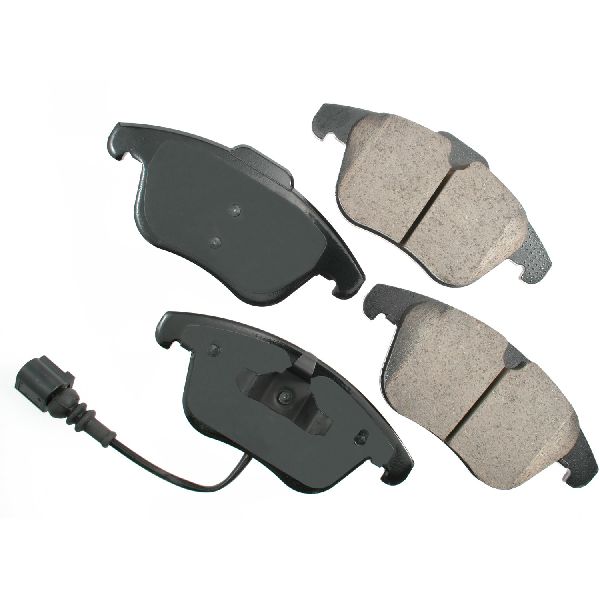
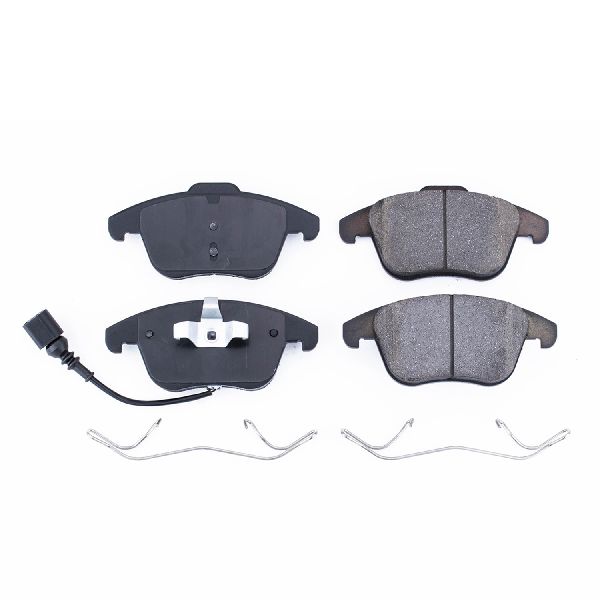
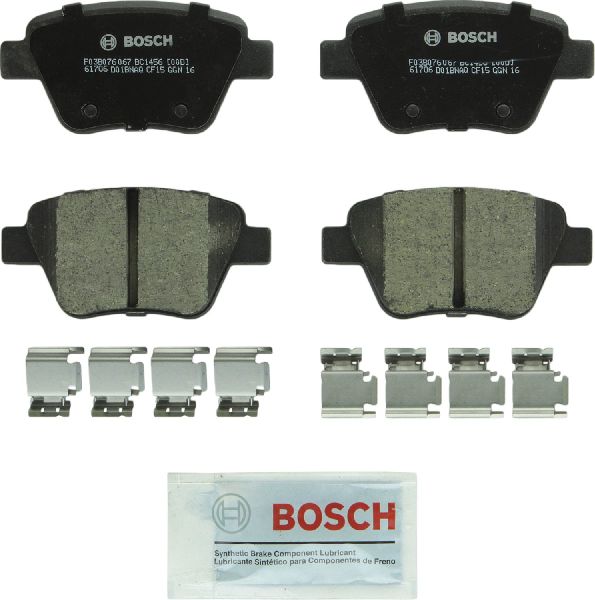
- Ceramic Pads: A popular upgrade for Passat owners. They are known for being quiet, producing very little brake dust (which keeps your wheels cleaner), and offering consistent stopping power for daily driving. Brands like Akebono, Bosch (QuietCast line), and Powerstop are well-regarded choices.
- Semi-Metallic Pads: These pads offer excellent performance and a firm pedal feel, especially in hot and cold weather. They are often the standard material from the factory. However, they can be noisier and produce more dust than ceramic pads. Brands like TRW and Textar are common OE suppliers of this type.
- Organic Pads: While less common as a primary choice for the Passat, these are often found in budget-friendly options. They are quiet but wear faster and don't handle high heat as well as other types.
Aftermarket Brand Tiers for the 2012-2016 Passat
| Tier | Brands | Best For |
|---|---|---|
| OE-Equivalent & Premium | Textar, Pagid, ATE, Brembo, Akebono, Bosch | Owners who want factory-level (or better) performance, quiet operation, and durability. These brands often supply VW directly. |
| Performance / Enthusiast | EBC Brakes (Yellowstuff, Redstuff), Hawk Performance, StopTech, Powerstop (Drilled & Slotted Kits) | Drivers seeking improved stopping power, better heat resistance for spirited driving, or a specific pedal feel. |
| Daily Driver / Value | Centric, Wagner, Raybestos, Dynamic Friction, Powerstop (Z16/Z23) | A great balance of quality and cost for everyday commuting. Many offer low-dust ceramic formulations. |
| Economy | Pronto, Total Stopping Solutions | Budget-conscious buyers who need a functional replacement for light-duty driving. |
Pro Tip: Many Passat owners on forums recommend coated rotors (like Zimmerman or Geomet-coated options) to prevent rust, especially in wet or snowy climates. When replacing pads, it's always a good idea to inspect your rotors and consider replacing them at the same time for the best performance.
Known Issues, Recalls, and TSBs

For the 2012-2016 Passat, there are no recalls specifically for the brake pads themselves. However, there are a few related items to be aware of:
- Brake Vacuum Pump Recall: Some 2015-2016 models were recalled because a camshaft lobe could shear off, causing a loss of brake assist and increasing the effort needed to stop. This was addressed by a software update from Volkswagen.
- ABS Module Software: A recall was issued for some models for an ABS control module issue that could disable the ABS and ESC systems. The fix involved a software update or module replacement.
- TSBs for Brake Noise/Vibration: Volkswagen has issued Technical Service Bulletins (TSBs) for dealers regarding diagnosing and fixing brake noise and vibration, which can sometimes be resolved with updated pad materials or by resurfacing/replacing rotors.
Frequently Asked Questions (FAQ)
Do I need to replace the brake wear sensor?
Yes. The brake pad wear sensor is a one-time-use part. When the brake pad wears down, the sensor makes contact with the rotor, completes a circuit, and turns on your dashboard warning light. This process destroys the sensor. A new sensor should be installed with your new front brake pads. Many quality aftermarket pad sets include a new sensor in the box.
Should I replace just the pads or the rotors too?
While you can sometimes replace just the pads, it is highly recommended to replace the pads and rotors at the same time. New pads on an old, worn rotor can lead to noise, vibration, and reduced performance. Since European cars like the Passat tend to be harder on rotors, replacing them as a set ensures a smooth surface for the new pads to bed into, giving you the best and safest results.
What tools do I need to change my Passat's brake pads?
Replacing the brake pads on a 2012-2016 Passat is a common DIY job. You will need a 7mm Allen key or hex socket to remove the caliper guide pins. For the rear brakes, you will also need a special brake caliper piston tool to simultaneously push and twist the piston back into the caliper. Standard tools like a jack, jack stands, lug wrench, and a C-clamp (for the front pistons) are also required.
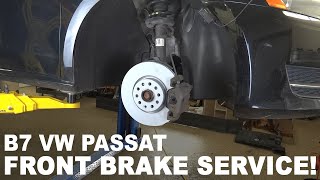
🎬 Watch this step-by-step guide for servicing your front brakes.Why do my rear brake pads wear out faster than the front?
While front brakes do most of the work, it's not unusual on some VW models for rear pads to wear surprisingly fast. This can be due to the electronic stability control system using the rear brakes for minor corrections, or sometimes due to sticking caliper slide pins. Regular cleaning and lubrication of the caliper hardware during a brake job is crucial to prevent this.
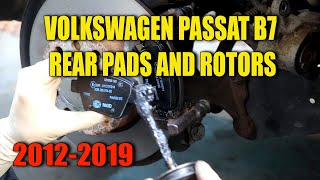
🎬 Learn how to replace your rear brake pads and rotors.Helpful Videos
Technical Specifications
OEM Part Numbers: 5Q0698451B 5K0698451 561698151 1K0698151F
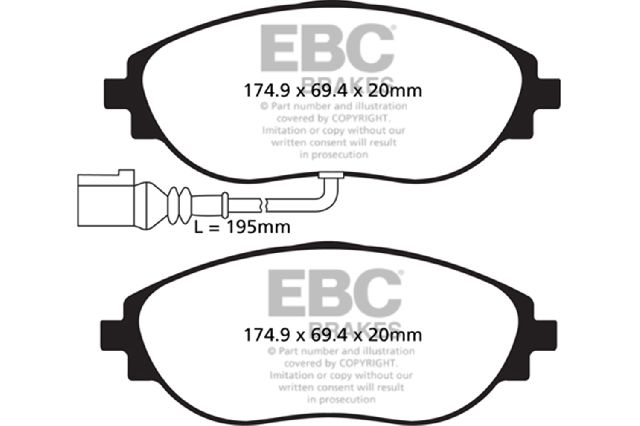
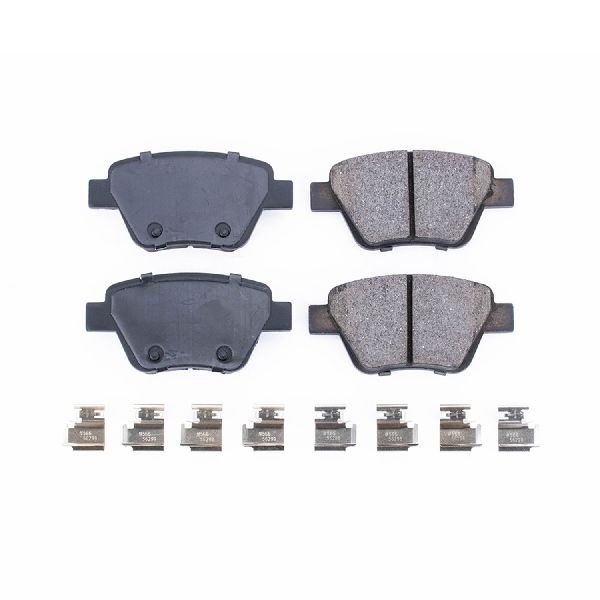
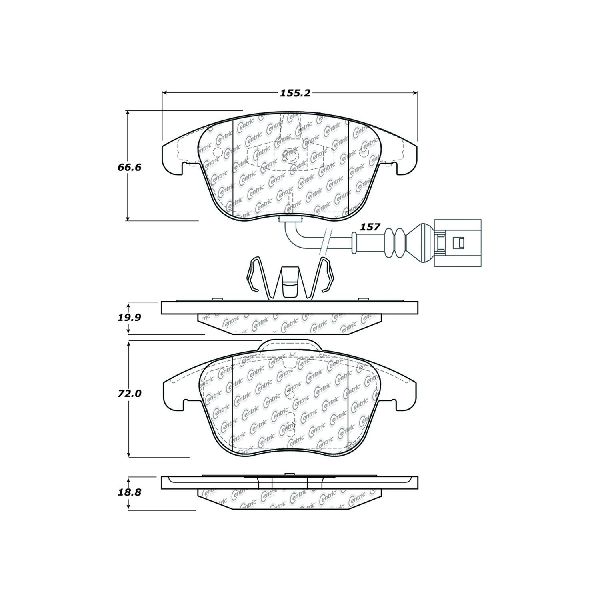
Front pads typically include a single electronic wear sensor. Rear pads require a special tool to retract the caliper piston. Pad material choices include ceramic, semi-metallic, and organic.
We Have This Part in Stock

The information in this article is provided for general reference and educational purposes only. Vehicle specifications, procedures, and part compatibility can vary by production date, trim level, and region. Always consult your vehicle's factory service manual and verify part numbers before purchasing or performing repairs. Safety-critical components such as airbags, seat belts, and braking systems should be installed by a qualified professional.
- Volkswagen Passat: