

A Guide to the Engine Oil Cooler for the 2012-2016 Volkswagen Passat
Seeing a milky, brown sludge in your coolant tank? Your engine oil cooler has likely failed.
- The most common sign of failure is a brown, milky sludge in the coolant tank; stop driving immediately if you see this.
- This issue is often misdiagnosed as a blown head gasket, but the oil cooler is a much more likely and less expensive culprit.
- When replacing, choose a high-quality aftermarket brand like Nissens or Standard (SMP) and avoid budget brands like URO for this critical part.
- After replacement, a complete cooling system flush and an oil change are mandatory to prevent future problems.
Is Your Passat's Engine Oil Cooler Failing?


The engine oil cooler on the 2012-2016 Volkswagen Passat is a common failure point. This can happen on any engine, including the 2.5L, 1.8T, 3.6L VR6, and TDI diesel models. The most common problem is an internal leak, where the walls separating the oil and coolant break down. Because oil pressure is higher than coolant pressure, oil gets forced into the cooling system. This creates the most obvious and serious symptom.
1. Oil and Coolant Mixing (The "Milkshake")
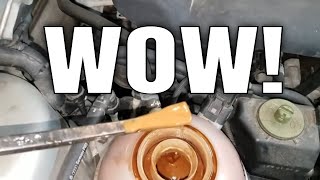
The number one sign of a failed oil cooler is finding a thick, milky, brownish sludge in your coolant expansion tank. It looks like a chocolate milkshake. This is engine oil that has contaminated your coolant. You should stop driving immediately if you see this, as it means your engine is not being properly cooled or lubricated. This issue is often mistaken for a blown head gasket, which is a much more expensive repair.
2. External Oil or Coolant Leaks
The seals and gaskets on the oil cooler can become hard and brittle over time, causing leaks. You might notice puddles of oil on the ground under your car, or see oil residue on the engine block near the oil filter. A significant leak can lead to low oil levels, which is dangerous for your engine.
3. Engine Overheating
If the oil cooler is clogged with sludge or if the cooling system is full of oil, your engine can't cool itself effectively. This will cause the temperature gauge to climb and can lead to severe engine damage if not addressed.
If you suspect your oil cooler has failed, especially if you see oil in your coolant, do not drive the vehicle. Continuing to drive can lead to poor lubrication and overheating, causing catastrophic engine damage. Towing the vehicle to a repair shop is the safest option.
Choosing the Right Aftermarket Oil Cooler

When replacing your oil cooler, you have options besides the expensive dealer part. However, quality varies greatly between aftermarket brands. For a critical part like this, choosing a reputable brand is essential to avoid doing the job twice.
Tier 1: High-Quality Aftermarket
These brands have a strong reputation for quality and are often suppliers to Volkswagen (OEM suppliers). They are a reliable alternative to the dealer part.
- Nissens: A well-respected European brand specializing in engine cooling and climate control parts. They perform extensive testing to ensure their parts meet or exceed OE quality.
- Standard Motor Products (SMP): A major aftermarket manufacturer known for quality parts. Some of their products are repackaged OEM parts. Be sure to choose their standard line, not the budget "T-series".
Tier 2: Mid-Grade & OEM-Adjacent
These brands can be a good value, but quality can be inconsistent. They are generally considered acceptable for many repairs.
- Vemo: A common brand for European car parts, often found in parts catalogs alongside higher-tier brands.
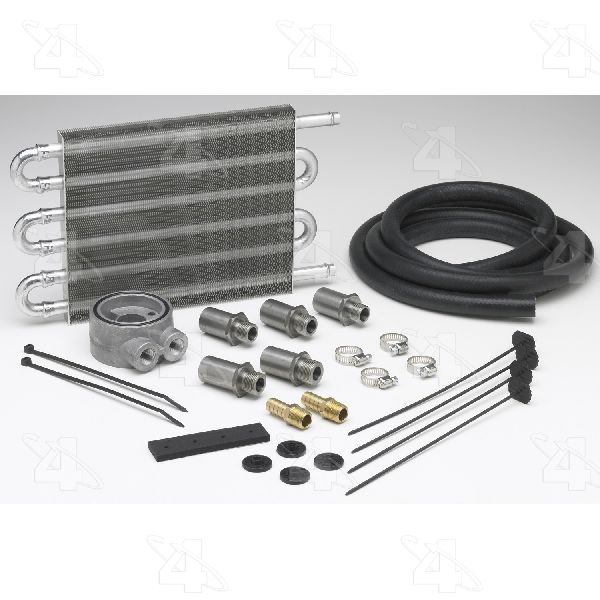
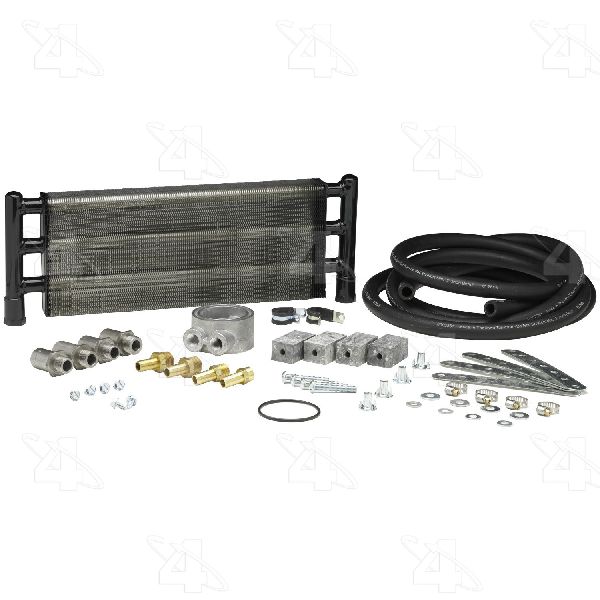
- Hayden & Derale: Both are highly regarded for their universal and heavy-duty transmission coolers. While they are experts in cooling, their direct-fit engine oil coolers for the Passat are less common, so specific reviews are harder to find.
Tier 3: Budget Brands (Use with Caution)
These brands are the most affordable, but there are widespread reports of poor quality and premature failure. Using these for a critical part like an oil cooler is a significant risk.
- URO Parts: Forum discussions frequently warn against using URO for anything other than simple cosmetic or non-critical parts. Many users report premature failure of URO cooling system components.
| Part Type | Estimated Cost |
|---|---|
| New OEM (Dealer) | $95 - $550 (Varies by engine) |
| New Aftermarket | $73 - $592 |
| Shop Labor | $400 - $800 |
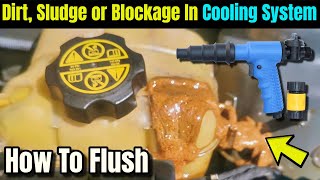
After replacing the oil cooler, you MUST thoroughly flush the cooling system multiple times to remove all the oily sludge. You will also need to change the engine oil and filter. Failing to clean the system completely can clog the new cooler, radiator, and heater core, leading to more problems.
🎬 Watch: The best way to flush your cooling systemFrequently Asked Questions
Is there a recall on the Passat engine oil cooler?
No. There are no recalls for the engine oil cooler on the 2012-2016 Volkswagen Passat. There was a safety recall (NHTSA 14V182, VW 38B9) for the transmission oil cooler O-rings on some 2014 Passat models with the 1.8T engine, which could cause a fluid leak. This is a different part with a different function.
Can I replace the oil cooler myself?
For an experienced DIY mechanic, this is a manageable job. It requires draining the oil and coolant, removing the oil filter, and working in a somewhat tight space. You may need special tools like triple-square sockets. For a novice, it is likely too complex, and the consequences of a mistake (like an oil or coolant leak) are severe. The job can take 2-4 hours.
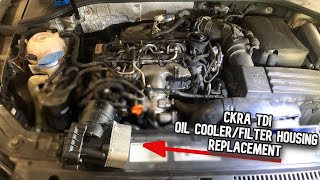
🎬 See this step-by-step oil cooler replacement for TDI modelsMy coolant is milky. Is it the oil cooler or the transmission cooler?
Both can cause fluids to mix. However, a failed engine oil cooler typically creates a thick, brown or black "milkshake" from engine oil mixing with coolant. A failed transmission cooler often creates a pink or reddish "strawberry milkshake" from transmission fluid mixing with coolant. Checking your engine oil dipstick is a good clue; if the oil level is low or the oil on the dipstick is milky, the engine oil cooler is the likely culprit.
🎬 Watch: How to diagnose oil in your antifreezeShould I just replace the gasket?
If you only have a small external leak, you might be tempted to just replace the gasket. However, given the high rate of internal failure for these coolers, it is strongly recommended to replace the entire oil cooler assembly. The part itself is not overly expensive, and replacing the whole unit ensures you won't have to do the job again in a few months when it fails internally.
Helpful Videos
Technical Specifications
OEM Part Numbers: 07K117021C 06K117021K 03H117021G 03H117021D 03H117021C
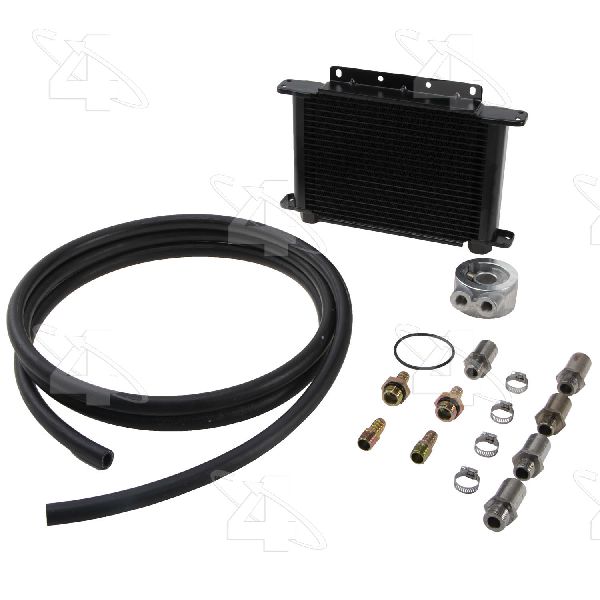
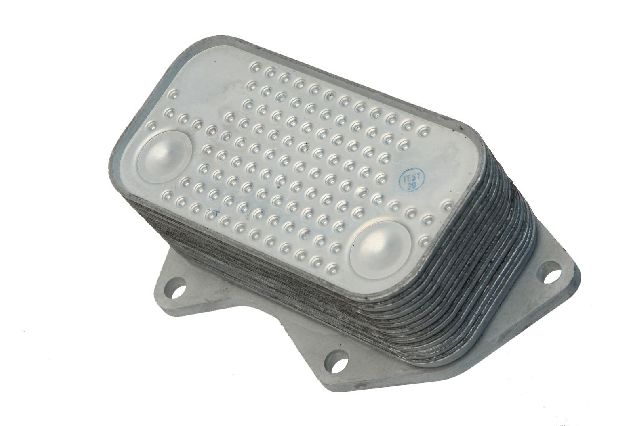
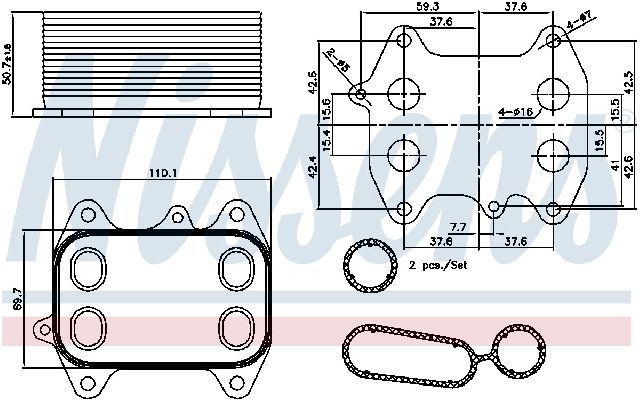
The engine oil cooler on the 2012-2016 Passat is a coolant-to-oil heat exchanger. It is typically mounted to the oil filter housing on the side of the engine block. Part numbers and design vary between the 2.5L, 1.8T, and 3.6L engines.
We Have This Part in Stock


The information in this article is provided for general reference and educational purposes only. Vehicle specifications, procedures, and part compatibility can vary by production date, trim level, and region. Always consult your vehicle's factory service manual and verify part numbers before purchasing or performing repairs. Safety-critical components such as airbags, seat belts, and braking systems should be installed by a qualified professional.
- Volkswagen Passat:
- 🎬 Helpful Videos
- 🛍️ Shop This Part
- Is Your Passat's Engine Oil Cooler Failing?
- 1. Oil and Coolant Mixing (The "Milkshake")
- 2. External Oil or Coolant Leaks
- 3. Engine Overheating
- Choosing the Right Aftermarket Oil Cooler
- Tier 1: High-Quality Aftermarket
- Tier 2: Mid-Grade & OEM-Adjacent
- Tier 3: Budget Brands (Use with Caution)
- Frequently Asked Questions
- 🎟️ Get 5% Off