

A Guide to Aftermarket Disc Brake Pads for the 2012-2017 BMW M5
Choosing the right brake pads for your F10 M5 involves balancing performance, noise, and brake dust.
- The biggest complaint about OEM pads is excessive brake dust; aftermarket ceramic pads from brands like Akebono or EBC Redstuff can solve this.
- Low-speed brake squeal is a common issue, addressed by a BMW TSB (SIB 34 06 14), but may persist.
- Replacing the rear brake pads requires a diagnostic tool to retract the electronic parking brake into 'Service Mode'.
- Choose pads based on your priority: ceramic for low dust/noise, or performance street compounds for aggressive driving.
Symptoms of Worn Brake Pads
Your M5 is equipped with electronic brake wear sensors that will trigger a warning message on the iDrive screen when the pads are nearing their service limit. However, you should also watch for physical signs of wear.
- Squealing or Grinding Noises: A high-pitched squeal when you apply the brakes is a common indicator. A deeper, more serious grinding noise means the pads are worn down to the metal backing plate, which can damage your brake rotors.
- Vibration or Pulsing: If you feel a shudder or pulse through the brake pedal or steering wheel, it could point to worn pads or, more likely, warped brake rotors.
- Brake Warning Light: The most obvious sign is the service indicator on your dashboard telling you it's time for a replacement.
- Reduced Stopping Power: If you notice the car takes longer to stop, your pads may be worn out or suffering from brake fade.
Known Issue: Brake Squeal TSB
Many F10 M5 owners report a persistent squealing noise from the front brakes during slow-speed braking. This is a well-documented issue, and BMW released a Technical Service Bulletin (TSB SIB 34 06 14) to address it. The TSB identifies the cause as a vibration between the pad and the fixed caliper. The official fix involves checking the vibration absorbers on the pads and potentially installing updated parts, but some owners find the noise can persist even after the repair. Choosing an aftermarket ceramic pad can often reduce or eliminate this noise.
Choosing the Right Aftermarket Brake Pads
The original BMW brake pads offer excellent stopping power but are known for producing a large amount of brake dust and can be noisy. Aftermarket pads allow you to choose a set that better matches your driving style and tolerance for dust and noise.
Tier 1: Low-Dust & Quiet Street Pads
This category is for the daily driver who wants to keep their wheels clean without sacrificing safety. These pads are typically ceramic-based. They offer great stopping power for street use but may have a slightly less aggressive initial "bite" than OEM pads, especially when cold.
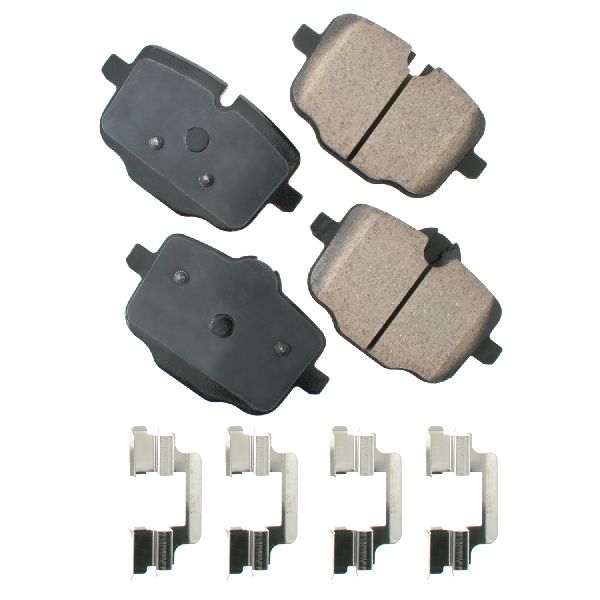
- Akebono: A very popular choice among owners for their extremely low dust and quiet operation.
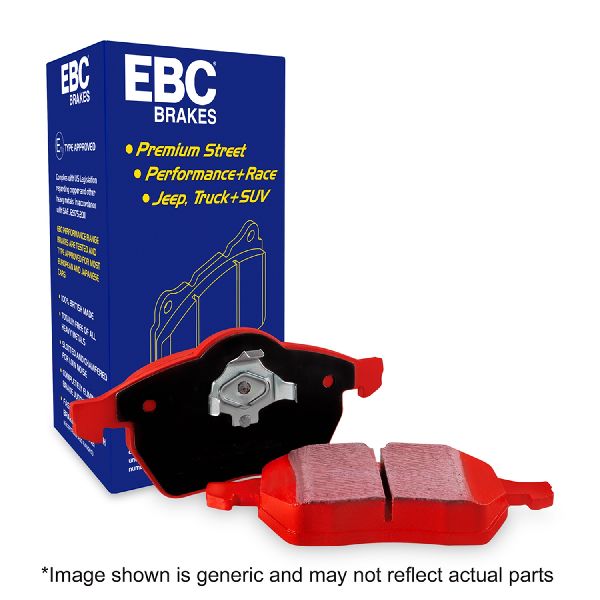
- EBC Redstuff: A ceramic compound that significantly reduces dust by up to 90% while providing strong street performance.
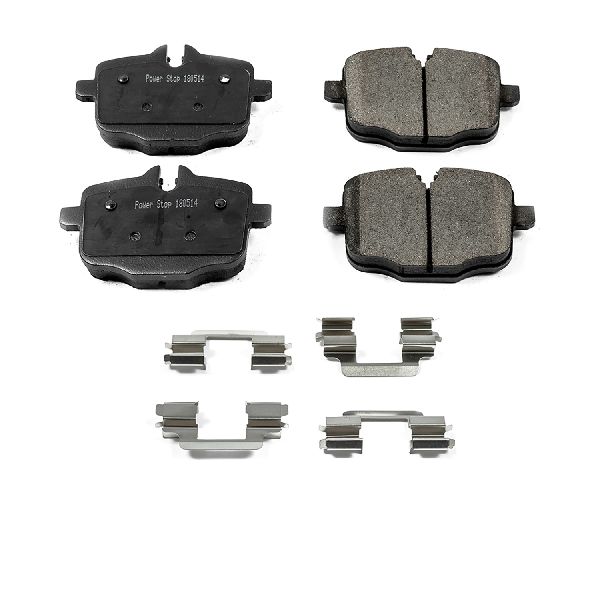
- Powerstop: Known for offering low-dust carbon-fiber ceramic pads that are a cost-effective way to reduce the dust from OEM pads.
- Brembo NAO Ceramic: Brembo offers a North American OE-style ceramic pad designed for quiet, low-dust daily driving.
Tier 2: Performance Street & Spirited Driving
If you enjoy spirited driving and want performance that meets or exceeds OEM without moving to a full track pad, this tier is for you. Expect more dust than ceramic pads but often better heat management and initial bite.
- Hawk HPS 5.0 / Performance Ceramic: Hawk offers pads that provide a linear friction profile and good stopping power. The HPS series is a classic choice, though some find it can still be dusty.
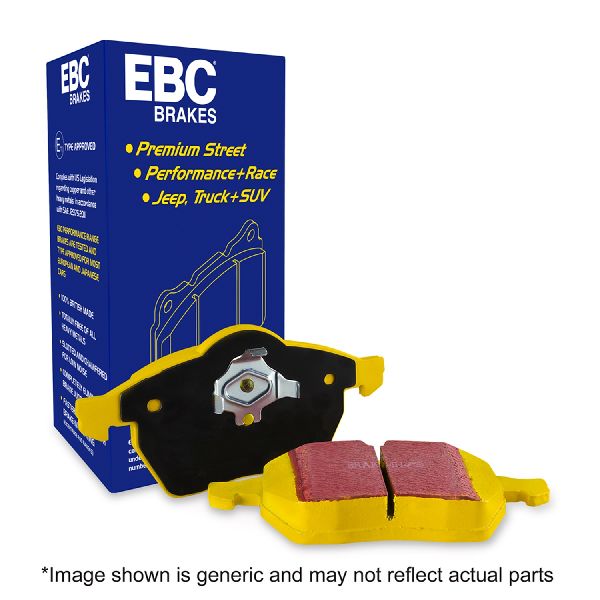
- EBC Yellowstuff: A high-friction pad that works well from cold and gets stronger as it heats up. It is not a low-dust option and is best for aggressive street use. Note that post-2021 formulas are no longer recommended for track use due to a longer bedding-in period.
- Brembo (Performance Line): As a manufacturer of high-performance brake systems, Brembo's performance-oriented pads are a solid choice for enhanced stopping power.
Tier 3: Track & Extreme Performance
These pads are designed for the track. They can handle extremely high temperatures but are not ideal for daily driving. They are often very noisy when cold, produce significant dust, and can cause accelerated wear on rotors in street conditions.
- EBC Bluestuff / RP-X: These are EBC's entry-level and full race track pads, respectively. They offer incredible performance under extreme heat but come with the trade-offs mentioned above.
- Hawk DTC Series: These are dedicated track pads and are not suitable for daily driving.
- Pagid RS29: A popular endurance racing pad known for its durability and performance on the track.
A Note on Rotors
You do not always need to replace your brake rotors when you replace your pads. If the rotors are smooth, free of cracks, and measure well above the minimum thickness—34.4mm for the front and 22.4mm for the rear—you can install new pads. However, if there is a significant lip on the edge or any vibration while braking, it is best to replace the rotors and pads together.
Cost of Replacing BMW M5 Brake Pads (2012-2017)
| Part Category | Price Range |
|---|---|
| New Aftermarket Pad Set | $25.22 - $403.75 |
| New OEM Pad Set | $160 - $450 |
| Shop Labor | $200 - $400 |
Prices are estimates and can vary based on location, brand, and the specific retailer.
Frequently Asked Questions
Why are the original BMW M5 brake pads so dusty?
The OEM pads use a semi-metallic, high-friction compound designed for maximum stopping power, even from high speeds. A natural byproduct of this high-performance material is significant brake dust. This is a common trade-off for performance in heavy, powerful cars.
Can I change the rear brake pads myself?
Yes, but it requires a special step. The rear calipers on the F10 M5 have an integrated electronic parking brake. You MUST use a diagnostic scan tool or a compatible smartphone app (like BimmerLink) to put the parking brake into "Service Mode" before you can compress the caliper piston. Failure to do so can damage the caliper. The front brakes do not require this step.
My brakes squeak at low speeds. Are they broken?
Not necessarily. Low-speed brake squeal is a very common issue on the F10 M5, even with new pads. It's often caused by vibrations and is addressed in BMW TSB SIB 34 06 14. If the noise is a high-pitched squeal without any grinding or performance loss, it is usually not a safety concern.
Do I need to replace the brake wear sensors?
If your brake warning light has come on, you must replace the sensor. The system works by wearing through the sensor wire, which breaks a circuit and triggers the light. The F10 M5 has one sensor on the front driver's side and one on the rear passenger's side. If you change your pads before the light comes on, you can often reuse the sensors.
Technical Specifications
OEM Part Numbers: 34112284869
This guide applies to the standard 'Blue M-Sport' brakes. It does not cover the optional M Carbon Ceramic brakes with gold calipers.
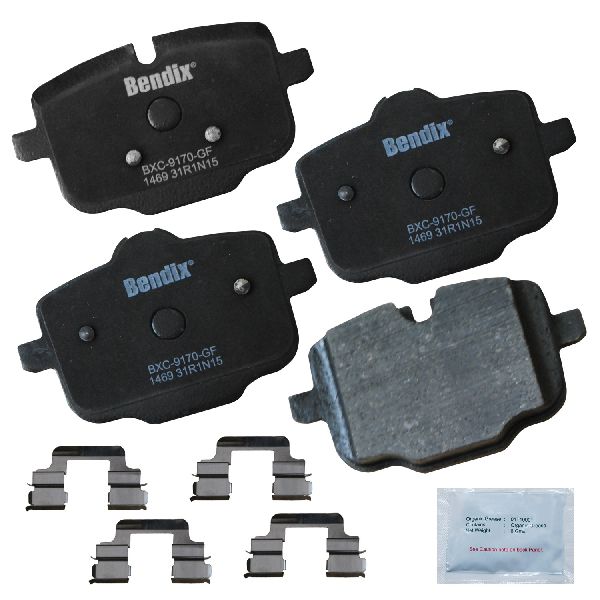
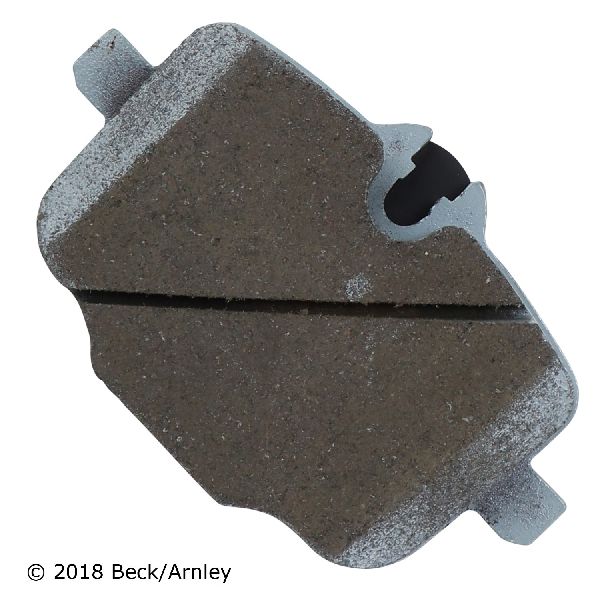
We Have This Part in Stock

The information in this article is provided for general reference and educational purposes only. Vehicle specifications, procedures, and part compatibility can vary by production date, trim level, and region. Always consult your vehicle's factory service manual and verify part numbers before purchasing or performing repairs. Safety-critical components such as airbags, seat belts, and braking systems should be installed by a qualified professional.
- BMW M5:
- 🛍️ Shop This Part
- Symptoms of Worn Brake Pads
- Known Issue: Brake Squeal TSB
- Choosing the Right Aftermarket Brake Pads
- Tier 1: Low-Dust & Quiet Street Pads
- Tier 2: Performance Street & Spirited Driving
- Tier 3: Track & Extreme Performance
- A Note on Rotors
- Cost of Replacing BMW M5 Brake Pads (2012-2017)
- Frequently Asked Questions
- 🎟️ Get 5% Off