

A Guide to the Engine VVT Solenoid for the 2012-2017 Buick Verano
Fixing rough idle, stalling, and check engine lights in your Verano often starts with these critical engine parts.
- A Check Engine Light with codes P0010, P0011, P0013, or P0014 strongly points to a VVT solenoid issue.
- Replacing both intake and exhaust solenoids at the same time is highly recommended for a lasting repair.
- This is a very easy DIY repair that can be done in under 30 minutes with a 10mm socket.
- Regular oil changes with quality oil are the best way to prevent VVT solenoid failure.
Is Your Verano Running Rough? It Could Be the VVT Solenoids

If your 2012-2017 Buick Verano is experiencing a check engine light, rough idling, or stalling at stop lights, a faulty Engine VVT Solenoid is a very common cause. These parts control engine timing using oil pressure. Over time, they can get clogged with dirty oil or fail electronically, leading to noticeable performance issues. Since this is a straightforward and affordable repair, it's one of the first places to look when you have these symptoms.
Common Symptoms of VVT Solenoid Failure

A failing VVT solenoid will almost always trigger a Check Engine Light. You might also notice one or more of the following signs:
- Rough Idle: The engine may shake or shudder when you're stopped.
- Stalling: The engine may shut off when you come to a stop.
- Poor Acceleration: The car feels sluggish and lacks power when you press the gas pedal.
- Worse Fuel Economy: You may find yourself filling up the gas tank more often.
- Engine Noise: A rattling or ticking sound may come from the top of the engine.
Known Issue: Technical Service Bulletin (TSB)
General Motors issued TSB 17-NA-098 for vehicles with the 2.4L engine, including the family your Verano's engine belongs to. This bulletin addresses complaints of a rough running engine, hesitation, stalling, and specific trouble codes (P0010, P0011, P0013, P0014). The official GM recommendation is to replace both the intake and exhaust camshaft position actuator solenoid valves to correct the issue. There are no active safety recalls for this specific part on the 2012-2017 Buick Verano.
Choosing the Right Aftermarket VVT Solenoid

When shopping for a replacement, you'll find several brands. They generally fall into a few quality tiers.
- OEM (ACDelco): ACDelco is the original equipment manufacturer for General Motors. Choosing ACDelco ensures you get the exact same quality, fit, and performance as the part your Verano came with from the factory. Mechanics often recommend sticking with the OEM part for electronic components like solenoids to avoid future problems.
- Premium Aftermarket (Dorman, Standard, Cloyes): Brands like Dorman are well-known in the aftermarket and often engineer parts to address common failure points of the original design. However, some professional mechanics express concern about the long-term reliability of aftermarket electronic parts compared to OEM.
- Budget-Friendly Options: Many other brands offer solenoids at a lower price point. While they can save you money upfront, their long-term durability may be uncertain. Given the critical function of this part and the low cost of labor, investing in a higher-quality part is often the most cost-effective choice in the long run.
Pro Tip: Replace in Pairs
Your Verano has two VVT solenoids that have been working for the same amount of time under the same conditions. If one has failed, the other is likely not far behind. It is highly recommended to replace both the intake and exhaust solenoids at the same time to ensure balanced engine performance and avoid having to do the job again in a few months.
VVT Solenoid Replacement Cost for 2012-2017 Buick Verano

The cost to replace VVT solenoids is relatively low compared to many other engine repairs. The parts themselves are affordable, and the job is quick for a mechanic to perform.
| Part or Service | Estimated Cost |
|---|---|
| New Aftermarket VVT Solenoid (Each) | $28 - $91 |
| New OEM (ACDelco) VVT Solenoid (Each) | $45 - $90 |
| Shop Labor Cost | $140 - $270 |
| Total Professional Replacement (Aftermarket, Pair) | $196 - $452 |
Frequently Asked Questions
How many VVT solenoids does my 2012-2017 Verano have?
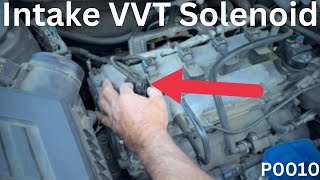
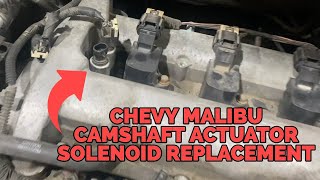
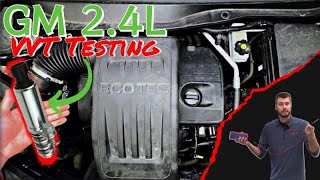
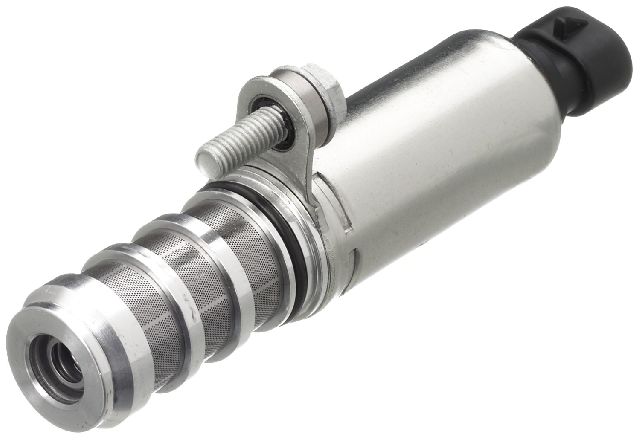
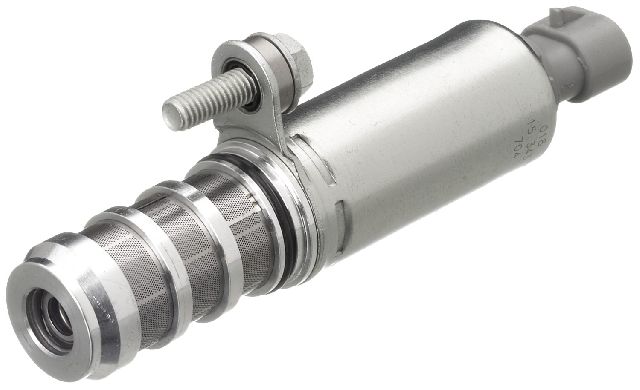
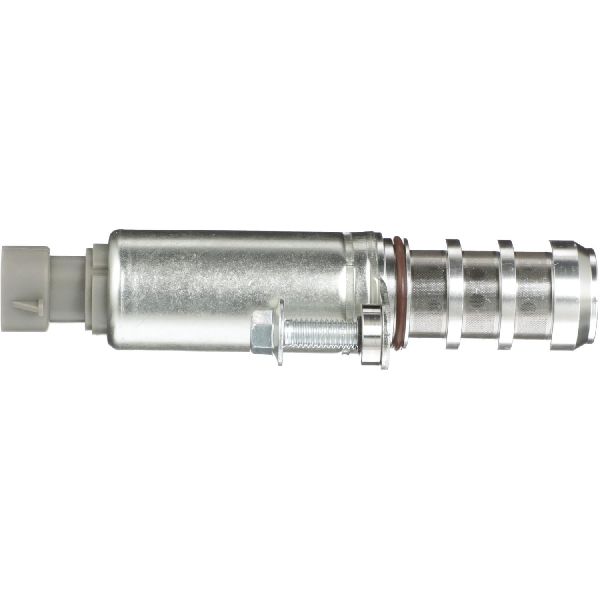
Your Buick Verano with the 2.4L engine has two VVT solenoids. One is for the intake camshaft (often with a gray connector) and one is for the exhaust camshaft (often with a black connector). They are located on the top of the engine under the plastic cover and are very easy to access.
Can I just clean my old VVT solenoids?
Some people attempt to clean the small mesh screens on the solenoids with brake cleaner to fix a clog. While this can sometimes work as a temporary fix if the problem is just debris, it does not solve an electrical failure within the solenoid itself. Given the low cost of a new part, replacement is the only guaranteed solution.
What is the main cause of VVT solenoid failure?
The number one cause of failure is dirty or low engine oil. The solenoids have very small passages and screens that can become clogged by sludge and debris. Following your Verano's recommended oil change schedule with the correct oil type is the best way to extend the life of your VVT solenoids.
Is this a difficult DIY repair?
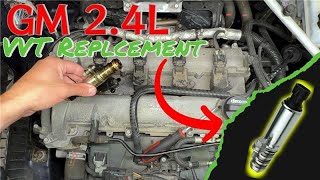
No, this is considered a very easy DIY job for most people. The solenoids are held in by a single 10mm bolt each and are located right on top of the engine. The entire process can often be completed in under 30 minutes with basic hand tools.
Helpful Videos

Technical Specifications
OEM Part Numbers: Intake: 12655420, 12628347, 12646783, 12679099 Exhaust: 12655421, 12628348, 12646784, 12679100
The 2012-2017 Buick Verano uses two distinct VVT solenoids: one for the intake camshaft and one for the exhaust camshaft. They are not interchangeable. The intake solenoid is typically located toward the front of the engine, while the exhaust solenoid is toward the rear/firewall.
We Have This Part in Stock


The information in this article is provided for general reference and educational purposes only. Vehicle specifications, procedures, and part compatibility can vary by production date, trim level, and region. Always consult your vehicle's factory service manual and verify part numbers before purchasing or performing repairs. Safety-critical components such as airbags, seat belts, and braking systems should be installed by a qualified professional.
- Buick Verano:
- 🎬 Helpful Videos
- 🛍️ Shop This Part
- Is Your Verano Running Rough? It Could Be the VVT Solenoids
- Common Symptoms of VVT Solenoid Failure
- Known Issue: Technical Service Bulletin (TSB)
- Choosing the Right Aftermarket VVT Solenoid
- Pro Tip: Replace in Pairs
- VVT Solenoid Replacement Cost for 2012-2017 Buick Verano
- Frequently Asked Questions
- 🎟️ Get 5% Off