

Dodge Charger Manifold Absolute Pressure (MAP) Sensor Guide for 2012-2017 Models
Everything a 2012-2017 Dodge Charger owner needs to know about a failing MAP sensor and how to choose a quality replacement.
- A failing MAP sensor on a Charger causes poor fuel economy, rough idle, and hesitation.
- Replacement is very easy for DIYers and takes less than 30 minutes.
- Stick with Mopar or premium aftermarket brands like Delphi or NGK for best results.
- Always check for vacuum leaks first, as symptoms can be identical to a bad MAP sensor.
Is Your Charger Acting Up? It Could Be the MAP Sensor


When a MAP sensor starts to fail on your 2012-2017 Dodge Charger, the symptoms can be confusing because they mimic other engine problems. Your car's computer relies on this sensor for critical data, and when the data is wrong, performance suffers. Recognizing the signs early can save you from poor fuel mileage and a frustrating driving experience.
OEM vs. Aftermarket MAP Sensors: What's the Real Difference?
When replacing your MAP sensor, you'll face a choice between an original equipment (OEM) part from Mopar and a variety of aftermarket options. Here’s an honest breakdown for your Charger:
- Mopar (OEM): This is the part your Charger was built with. It guarantees perfect fit and function. For critical sensors, many mechanics and enthusiasts recommend sticking with Mopar to avoid any compatibility issues. However, it is the most expensive option.
- Premium Aftermarket (e.g., Delphi, NGK, Standard Ignition): Brands like Delphi and NGK are often original equipment suppliers for many car manufacturers. They produce high-quality sensors that are engineered to meet or exceed OE standards. Standard Ignition is another well-regarded brand, though some user reviews can be mixed. These are excellent alternatives to Mopar, offering similar quality at a better price.
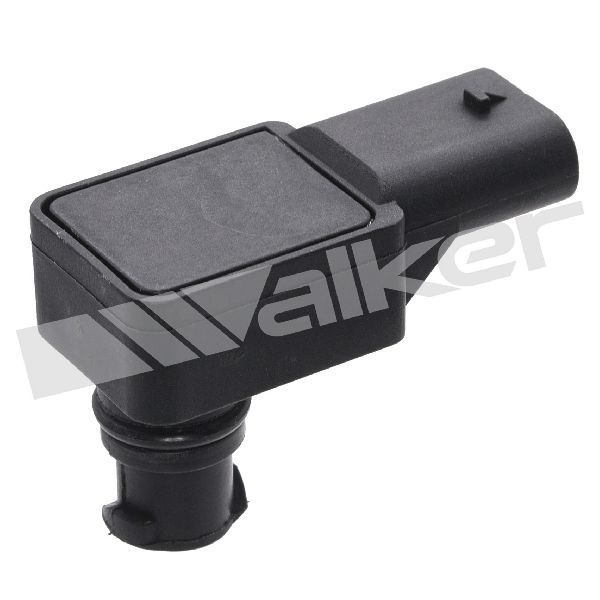
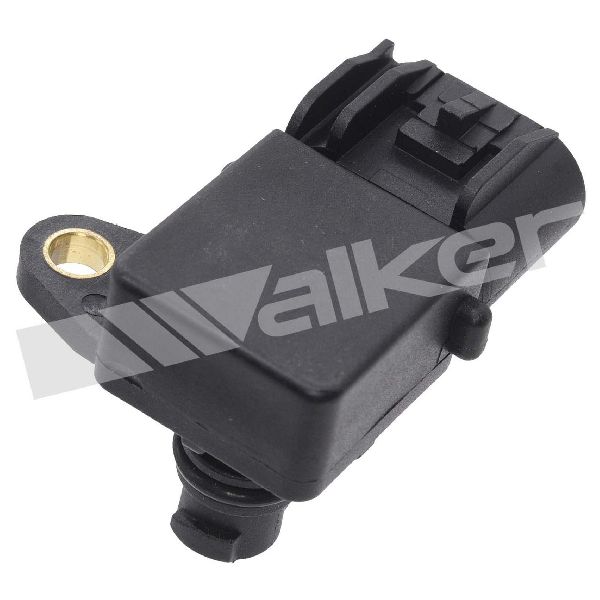
- Standard Aftermarket (e.g., Walker Products, Holstein, Crown): These brands offer a more budget-friendly solution. Holstein states they work with OE manufacturers and offer a good warranty. Crown Automotive is known for a wide range of replacement parts, particularly for Jeep, and can be a reliable choice. Walker is also a common name in replacement sensors. While often perfectly suitable for a daily driver, the quality control might not be as rigorous as premium brands.
- Budget/Economy Brands: Unbranded or very low-cost sensors found on sites like eBay can be a gamble. While the price is tempting, they have a higher failure rate and can sometimes cause new, different issues, leading you to spend more time and money in the long run.
Pro Tip: For a critical sensor like the MAP, spending a little more on a premium aftermarket or Mopar part is a good investment in your Charger's performance and reliability. Before replacing, always check for vacuum leaks, as they can cause identical symptoms.
How Hard is it to Replace the MAP Sensor?
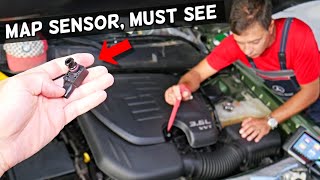
Good news for the DIY mechanic. Replacing the MAP sensor on a 2012-2017 Charger is a very simple job, regardless of whether you have the 3.6L V6 or a HEMI V8. The sensor is located right on top of the intake manifold, 🎬 See this walkthrough for locating and removing the sensor making it easily accessible. On the V6, you just need to pull off the plastic engine cover. The sensor is typically held in by one screw (often a T20 Torx bit) and an electrical connector. The whole job can be done in under 30 minutes with basic hand tools.
Important: When removing the old sensor, it may be snug due to a rubber O-ring. Gently twist and pull. Do not pry on it with a screwdriver, as you could damage the plastic intake manifold, which is a much more expensive repair.
Known Issues, Recalls, or TSBs
As of late 2024, there are no specific recalls or widespread Technical Service Bulletins (TSBs) from Dodge for MAP sensor failure on the 2012-2017 Charger. Failure is generally due to age, heat cycles, and contamination from engine oil vapor over time. While alternator failures and other electrical issues were noted on some early 7th generation Chargers, the MAP sensor itself is not listed as a common systemic problem.
Frequently Asked Questions
Can I drive my Charger with a bad MAP sensor?
Yes, but it's not recommended for long. Your car will likely run poorly, get bad gas mileage, and could potentially enter a "limp mode" with reduced power. Driving with a bad sensor can cause the engine to run too rich or too lean, which over time could damage other components like the catalytic converter.
Where is the MAP sensor located on my 2012-2017 Charger?
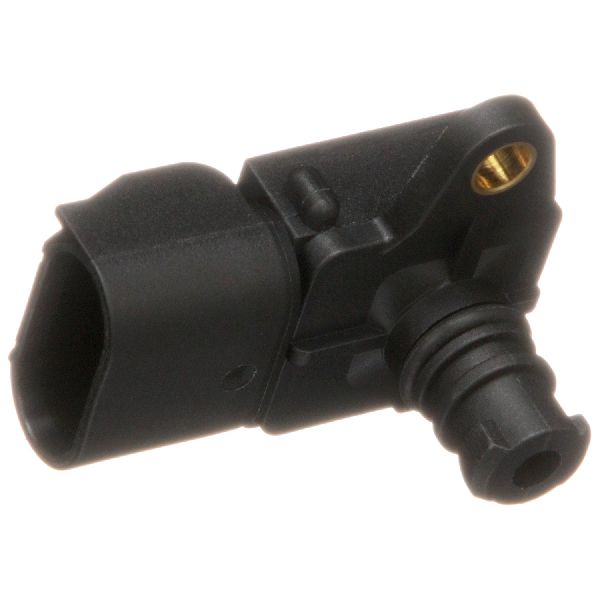
It is located on the top of the intake manifold. For V6 models, it's visible after removing the plastic engine cover. For HEMI V8 models, it is also on top of the manifold, typically near the throttle body. It is a small black plastic sensor with an electrical connector and is usually held in by a single screw.
Do I need to disconnect the battery to change the MAP sensor?
It is always a best practice to disconnect the negative battery terminal before working on any part of your vehicle's electrical system. This prevents any accidental short circuits. The battery is located in the trunk of your Charger.
What are the most common trouble codes for a bad MAP sensor?
The most common Diagnostic Trouble Codes (DTCs) are 🎬 Watch: How to fix a P0106 engine code yourself P0106 (MAP/Barometric Pressure Circuit Range/Performance), P0107 (MAP/Barometric Pressure Circuit Low Input), and P0108 (MAP/Barometric Pressure Circuit High Input).
Will a new MAP sensor fix my rough idle?
It might. A rough idle is a classic symptom of a failing MAP sensor. However, other issues like a vacuum leak, dirty throttle body, or bad spark plugs can also cause a rough idle. It's important to properly diagnose the problem before replacing parts.
Helpful Videos
![How to Fix P0106 Engine Code in 2 Minutes [1 DIY Method / Only $11.78]](https://img.youtube.com/vi/p7cjbS5B6OI/mqdefault.jpg)
Technical Specifications
OEM Part Numbers: 68271094AB 68371847AA 5149091AA 5033310AC 56041018AD
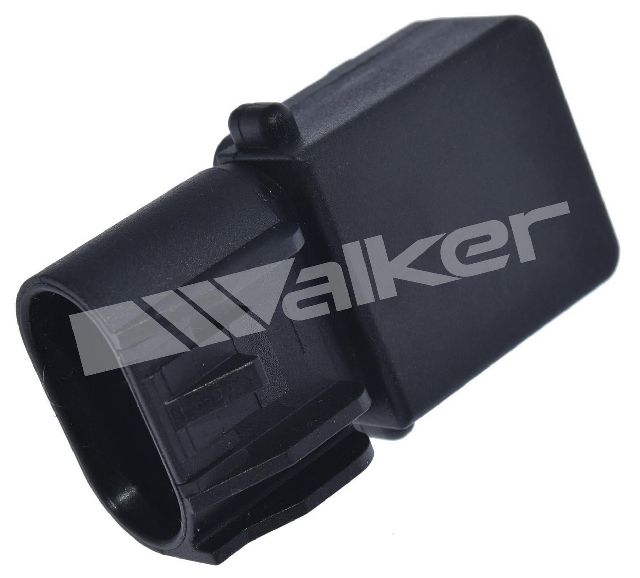
The MAP sensor for the 2012-2017 Dodge Charger is a push-in style sensor, typically held by one screw. It connects via a standard 3-pin electrical connector. Part numbers may vary based on the specific engine (3.6L, 5.7L, 6.4L) and model year, so it is crucial to verify the correct part for your vehicle's VIN.
We Have This Part in Stock


The information in this article is provided for general reference and educational purposes only. Vehicle specifications, procedures, and part compatibility can vary by production date, trim level, and region. Always consult your vehicle's factory service manual and verify part numbers before purchasing or performing repairs. Safety-critical components such as airbags, seat belts, and braking systems should be installed by a qualified professional.
- Dodge Charger: