

Dodge Viper Oxygen Sensor Guide for the 2012-2017 V10 Engine
Everything a Viper owner needs to know about replacing a faulty oxygen sensor.
- The 2012-2017 Viper has four O2 sensors; use an OBD-II scanner to identify the correct failed sensor.
- For Vipers with aftermarket exhausts throwing a P0135 code, an aftermarket Denso sensor is a common and effective fix.
- Stick to high-quality aftermarket brands like Denso or NGK/NTK, as they are often the OEM supplier and trusted by Viper owners.
- Driving with a bad O2 sensor can lead to costly catalytic converter damage over time.
Symptoms of a Bad Oxygen Sensor in a Dodge Viper
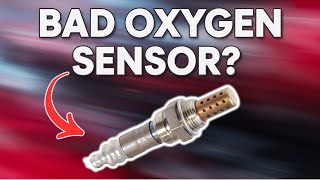
A failing oxygen sensor rarely leaves you stranded, but it will cause noticeable problems. The most common sign is the check engine light turning on. You should use an OBD-II scanner to read the specific trouble code, which will help you identify which of the four sensors is failing. Common codes include P0135, P0155, P013A, and others related to sensor performance or heater circuits.
Other symptoms include:
- Reduced Fuel Economy: Your Viper's computer may enrich the fuel mixture to be safe, causing you to use more gas.
- Rough Idle or Misfires: An incorrect air-fuel ratio can cause the engine to run unevenly or misfire.
- Rotten Egg Smell: A rich fuel mixture can lead to a sulfur-like smell from the exhaust as the catalytic converter gets overwhelmed.
- Failed Emissions Test: A bad O2 sensor is a common reason for failing a state emissions inspection. 🎬 Watch a detailed breakdown of common symptoms and warning signs.
A Note for Viper Owners with Aftermarket Exhaust
A very common issue on Vipers, especially those with high-flow cats or headers, is a P0135 check engine light code. This code often means the factory-style oxygen sensor isn't heating up fast enough for the computer's liking. Many owners have found that switching to an aftermarket Denso sensor, which has a design with more openings, solves this problem without any other changes.
🎬 See how moisture and aftermarket parts can cause persistent sensor issues.Choosing the Right Aftermarket Oxygen Sensor
For a high-performance engine like the Viper's V10, the quality of the oxygen sensor matters. While you can save money with aftermarket parts, it's best to stick with reputable brands that are known to be original equipment manufacturers (OEM) for many car companies.
Brand Quality Tiers
Tier 1: OEM-Equivalent (Recommended)
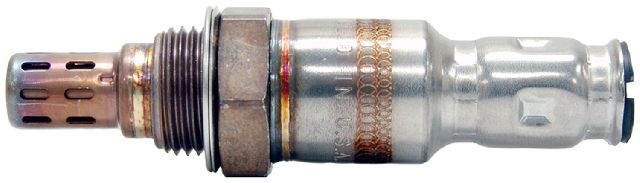
- Denso & NGK (NTK): These brands are widely considered the gold standard for aftermarket sensors and are often the original manufacturer for Dodge. For the Viper specifically, many owners recommend Denso to solve common check engine light issues related to exhaust modifications. You can't go wrong with either of these brands.
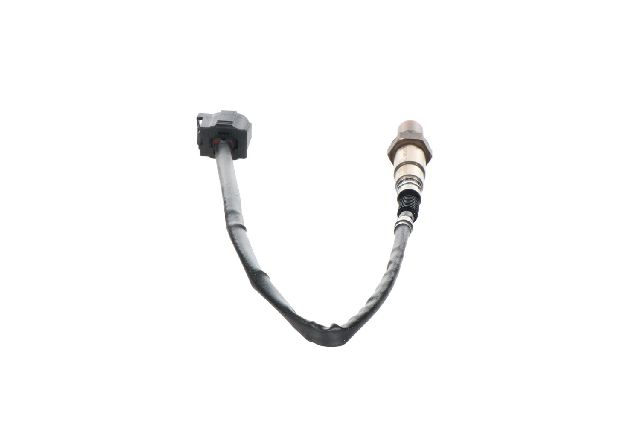
- Bosch: Bosch is a massive OEM supplier and generally makes high-quality sensors. While a solid choice, some Dodge owners in forums report occasional compatibility issues, making Denso or NGK a slightly safer bet.
Tier 2: Reputable Aftermarket
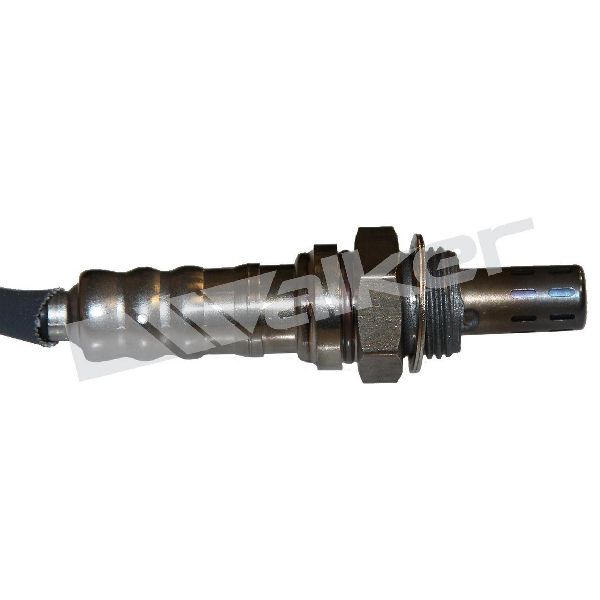
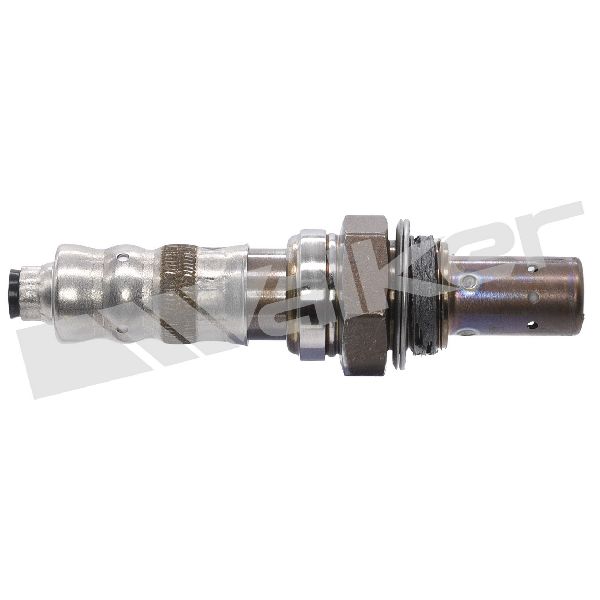
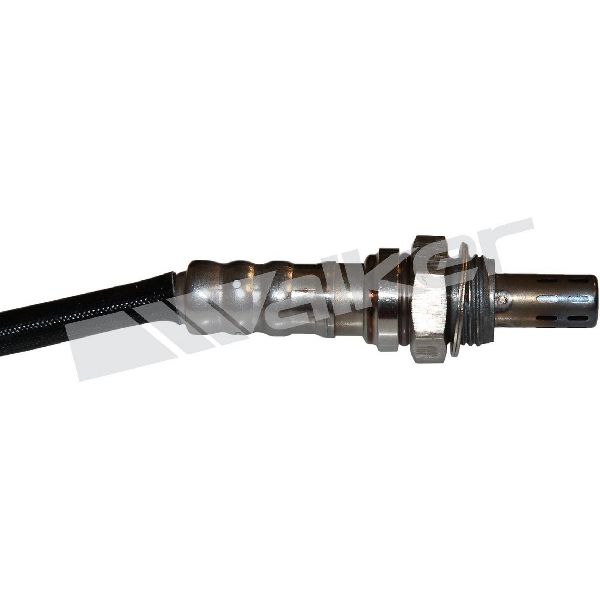
- Walker Products: Walker is a well-known exhaust and emissions parts company. Their sensors are a decent budget-friendly option, but they are not generally considered to be on the same level as Denso or NGK. For a downstream sensor that only monitors the catalyst, this could be a cost-effective choice.
Tier 3: Economy Brands
- Crown Automotive & Others: While Crown is a known Jeep parts supplier, its reputation for Viper engine sensors is not well-established in owner communities. Cheaper, lesser-known brands are a gamble on a sensitive, high-performance engine. It's generally recommended to spend a little more for a Tier 1 brand to avoid potential issues.
Upstream vs. Downstream Sensors
Your Viper has two upstream (Bank 1 Sensor 1, Bank 2 Sensor 1) and two downstream sensors (Bank 1 Sensor 2, Bank 2 Sensor 2). The upstream sensors are critical for engine performance. The downstream sensors mainly check catalyst efficiency. If you're on a tight budget, you could use a Tier 2 sensor for a downstream replacement, but always use a Tier 1 brand for the upstream sensors.
Cost of Replacing a Dodge Viper Oxygen Sensor
| Part or Service | Estimated Cost |
|---|---|
| New Aftermarket Oxygen Sensor | $50 - $87 |
| New OEM Oxygen Sensor | $100 - $180 |
| Shop Labor | $100 - $150 |
| Total (DIY) | $50 - $87 |
| Total (Installed at Shop) | $150 - $330 |
Frequently Asked Questions
Can I drive my Viper with a bad oxygen sensor?
Yes, but it's not recommended for long. Your engine will run inefficiently, wasting fuel and potentially causing long-term damage to expensive components like the catalytic converters. It's best to get it replaced soon.
How difficult is it to replace a Viper O2 sensor myself?
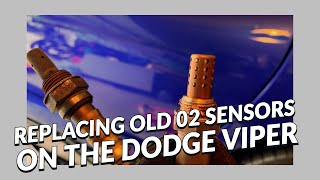
It is a relatively easy job for a DIYer. It requires safely jacking up the car, unplugging the electrical connector, and using a special O2 sensor socket or a 22mm (7/8") wrench to unscrew the old sensor and install the new one. It typically takes less than an hour per sensor.
🎬 Watch this step-by-step walkthrough of a Viper O2 sensor replacement.Are there any recalls for the 2012-2017 Viper oxygen sensors?
No, searches of the National Highway Traffic Safety Administration (NHTSA) database did not find any specific recalls or technical service bulletins (TSBs) for oxygen sensor failure on the 2012-2017 Dodge Viper.
Do I need to replace all four sensors at once?
No. You only need to replace the sensor that has failed. An OBD-II scanner will give you a code that points to the specific sensor (e.g., Bank 1, Sensor 2). However, if your Viper has high mileage (over 80,000 miles), the other sensors may not be far from failing, so replacing them in pairs (both upstream or both downstream) can be a good preventative measure.
Helpful Videos
Technical Specifications
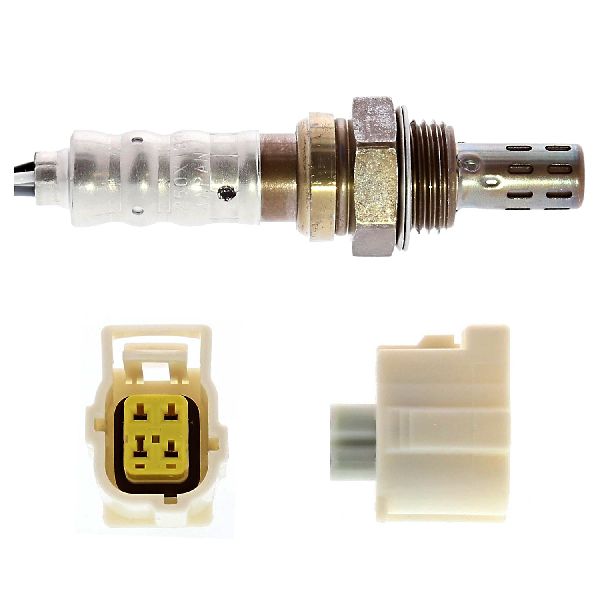
The 8.4L V10 engine uses four heated oxygen sensors. Two are located upstream (before the catalytic converters) and two are located downstream (after the catalytic converters). A 22mm or 7/8" wrench or a specialized oxygen sensor socket is required for removal and installation.
We Have This Part in Stock

The information in this article is provided for general reference and educational purposes only. Vehicle specifications, procedures, and part compatibility can vary by production date, trim level, and region. Always consult your vehicle's factory service manual and verify part numbers before purchasing or performing repairs. Safety-critical components such as airbags, seat belts, and braking systems should be installed by a qualified professional.
- Dodge Viper:
- 🎬 Helpful Videos
- 🛍️ Shop This Part
- Symptoms of a Bad Oxygen Sensor in a Dodge Viper
- A Note for Viper Owners with Aftermarket Exhaust
- Choosing the Right Aftermarket Oxygen Sensor
- Brand Quality Tiers
- Upstream vs. Downstream Sensors
- Cost of Replacing a Dodge Viper Oxygen Sensor
- Frequently Asked Questions
- 🎟️ Get 5% Off