

A Guide to the Engine Coolant Thermostat for the 2012-2017 Ford Explorer
If your Explorer's temperature gauge is acting strange or the heater is blowing cold, your thermostat might be the problem.
- A thermostat stuck open is the most common failure, causing a P0128 code and no heat.
- A thermostat stuck closed is an emergency; it will cause rapid overheating and can destroy your engine.
- For the 3.5L V6, the job is DIY-friendly, taking 1-2 hours with basic tools.
- It is strongly recommended to replace the entire plastic housing assembly, not just the thermostat, and to use the OEM Motorcraft brand for best results.
Is Your Explorer's Thermostat Failing?
A thermostat is a critical part of your Explorer's cooling system. When it fails, it can get stuck in either the open or closed position, leading to different problems. Ignoring the signs can lead to poor performance, bad fuel economy, and in serious cases, major engine damage from overheating.
Stuck Closed vs. Stuck Open
A thermostat stuck closed is a serious issue. It traps coolant in the engine, preventing it from reaching the radiator to cool down. This will cause the engine to overheat quickly, which can lead to warped cylinder heads and other catastrophic damage. If you suspect your thermostat is stuck closed (temperature gauge in the red), you should pull over immediately and turn off the engine.
A thermostat stuck open is more common and less severe. It allows coolant to flow to the radiator all the time. This makes it take a very long time for your engine to warm up, especially in cold weather. You'll notice poor heater performance, decreased fuel mileage, and likely a check engine light with code P0128.
Symptoms of a Bad Thermostat
- Overheating: The temperature gauge climbs into the red zone. This is the most serious symptom, often caused by a thermostat stuck closed.
- Engine Not Warming Up: The temperature gauge stays on cold or takes a very long time to reach the normal operating range. This is a classic sign of a thermostat stuck open.
- Poor Heater Performance: If the engine can't get up to temperature, the coolant won't be hot enough to provide warm air to the cabin.
- Erratic Temperature Gauge: The needle may fluctuate wildly between hot and cold, indicating the thermostat is sticking intermittently.
- Check Engine Light: A code like P0128 often points directly to a thermostat that is stuck open or not allowing the engine to reach operating temperature within a set time.
- Coolant Leaks: You may see coolant leaking from the thermostat housing area. The housing itself can crack over time.
Choosing the Right Aftermarket Thermostat
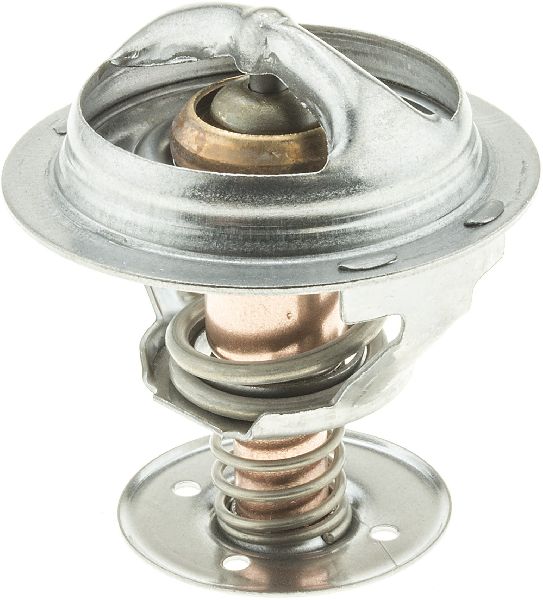
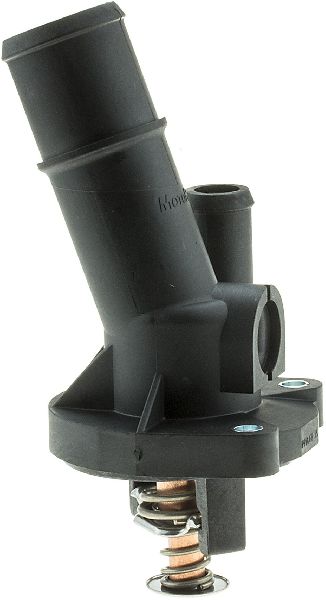
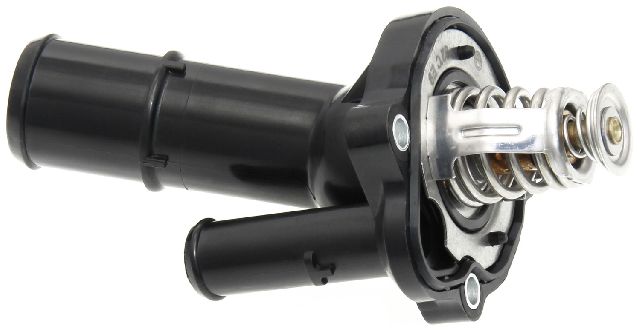
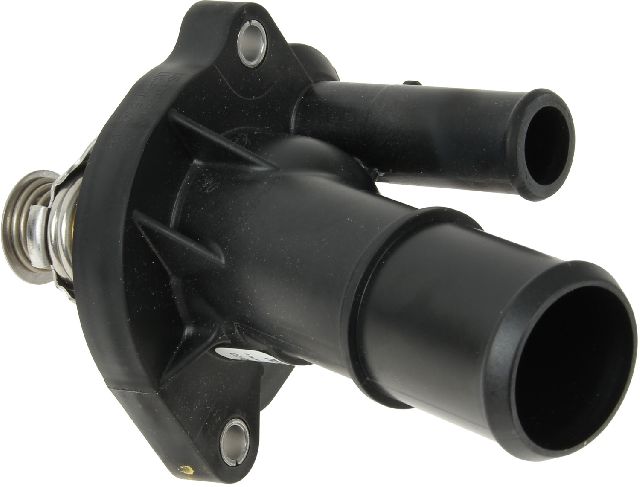
For the 2012-2017 Explorer, the thermostat is often sold as a complete housing assembly. While you can buy just the thermostat valve, replacing the whole assembly is often easier and prevents future leaks from the old plastic housing.
Brand Quality Tiers
- OEM (Motorcraft): This is the original part your Explorer came with. It's the safest choice for fit and function. Forum users generally recommend sticking with OEM to avoid issues. There is some discussion that Ford may have updated the thermostat design after this generation to improve reliability, so a new Motorcraft part may be better than the original.
- OEM-Equivalent Aftermarket (Gates, Motorad, Beck Arnley, Calorstat, Facet): These brands aim to meet or exceed original specifications. Gates is a well-known and generally trusted aftermarket brand. Motorad has mixed reviews; some users report early failures, while others have had good experiences. There is speculation in forums that Motorad may manufacture parts for other brands. There is less specific feedback available for Beck Arnley, Calorstat, and Facet for this particular vehicle.
- Performance (Mishimoto): Mishimoto offers "racing" thermostats that open at a lower temperature (e.g., 160°F). The goal is to keep the engine running cooler, which might be useful for heavily modified or tracked vehicles. However, for a stock daily-driven Explorer, this can prevent the engine from reaching its ideal operating temperature, hurting fuel economy and performance. Reviews are mixed, with some users reporting no benefit or even issues. This option is not recommended for most owners.
Pro Tip: OEM is Often the Best Bet
While premium aftermarket parts can be a good value, the thermostat is a critical component where reliability is key. Given the relatively small price difference for the part itself, choosing the OEM Motorcraft thermostat is a wise investment to ensure proper engine operation and avoid having to do the job twice.
Known Issues, Recalls, and TSBs
Searches of the National Highway Traffic Safety Administration (NHTSA) database and other technical resources did not find any specific recalls or Technical Service Bulletins (TSBs) for thermostat failure on the 2012-2017 Ford Explorer. However, it's important to note that the 3.5L V6 engine in these Explorers is known for internal water pump failures, which can also cause overheating and coolant loss. If you are overheating, it's crucial to correctly diagnose the problem before replacing parts.
Cost of Replacing a Ford Explorer Thermostat
The cost can vary depending on whether you buy just the thermostat or the full housing assembly, and whether you do the work yourself.
| Part/Service | Estimated Cost |
|---|---|
| New OEM (Motorcraft) | $25 - $70 |
| New Aftermarket | $19 - $310 |
| Shop Labor | $200 - $400 |
| Total Professional Replacement | $225 - $470 |
Note: Aftermarket price range is wide due to the availability of both the thermostat valve alone and the complete housing assembly. Labor costs are estimates and vary by location. The high estimate from some repair sites ($700+) may include diagnosis or other related repairs.
Frequently Asked Questions (FAQ)
Is it hard to replace the thermostat on a 2012-2017 Explorer?
For the common 3.5L V6 engine, the job is considered fairly easy for a DIYer with basic tools. It involves removing the air intake box for access, draining a small amount of coolant, removing two bolts on the housing, and swapping the part. The biggest challenge is reaching the bolts and hoses in a tight space.
Should I replace just the thermostat or the whole housing?
It is highly recommended to replace the entire thermostat housing assembly. The original housings are plastic and can become brittle and leak over time. Replacing the complete unit is a preventative measure that ensures a good seal and costs only slightly more than the thermostat alone.
What coolant should I use for my Explorer?
Always use the coolant specified by Ford for your vehicle. For this generation of Explorer, the correct coolant is Motorcraft Orange Concentrated Antifreeze/Coolant (or a compatible equivalent). Using the wrong type of coolant can cause corrosion and damage to the cooling system.
My heater is blowing cold but the engine isn't overheating. Is it the thermostat?
Yes, it's very likely. A thermostat stuck open will prevent the engine from getting hot enough to provide heat to the cabin. However, this symptom can also be caused by a clogged heater core or a failed blend door actuator, though the thermostat is a more common and easier first part to check.
What is the jiggle pin and why is it important?
The jiggle pin is a small metal pin in a hole on the flange of the thermostat. It allows trapped air to bleed out of the cooling system. When installing a new thermostat, this pin must be positioned at the top (12 o'clock position) to function correctly.
Technical Specifications
OEM Part Numbers: RT-1253 RT-1228 BR3Z-8575-G
The standard OE specified temperature is typically 180°F or 190°F depending on the specific engine and model year. Most replacements for the 3.5L V6 are sold as a complete housing assembly.
We Have This Part in Stock


The information in this article is provided for general reference and educational purposes only. Vehicle specifications, procedures, and part compatibility can vary by production date, trim level, and region. Always consult your vehicle's factory service manual and verify part numbers before purchasing or performing repairs. Safety-critical components such as airbags, seat belts, and braking systems should be installed by a qualified professional.
- Ford Explorer:
- 🛍️ Shop This Part
- Is Your Explorer's Thermostat Failing?
- Stuck Closed vs. Stuck Open
- Symptoms of a Bad Thermostat
- Choosing the Right Aftermarket Thermostat
- Brand Quality Tiers
- Pro Tip: OEM is Often the Best Bet
- Known Issues, Recalls, and TSBs
- Cost of Replacing a Ford Explorer Thermostat
- Frequently Asked Questions (FAQ)
- 🎟️ Get 5% Off