

Ford F-150 (2012-2017) Engine Coolant and Cylinder Head Temperature Sensor Guide
Running rough or getting bad gas mileage? Your F-150's temperature sensor could be the problem.
- First, confirm if your F-150 engine (5.0L V8 vs. EcoBoost/V6) uses a CHT or ECT sensor; they are different parts.
- Symptoms like bad MPG, rough idle, and an erratic temp gauge all point to a potential sensor failure.
- This is a simple and inexpensive DIY replacement for most owners, but working on a cool engine is critical for safety.
- Investing in a quality aftermarket brand like Standard or Walker can prevent inaccurate readings and future problems.
Is Your F-150's Temperature Sensor Failing?
A faulty Engine Coolant Temperature (ECT) or Cylinder Head Temperature (CHT) sensor can cause a surprising number of problems. Because the truck's computer relies on this sensor for so many calculations, a bad signal can make the engine run poorly. Watch for these common signs of failure.
Key Failure Symptoms
- Check Engine Light: A primary indicator that the computer has detected a problem with the sensor's signal.
- Poor Fuel Economy: The sensor might send a false 'cold' signal, causing the computer to inject more fuel than needed, which wastes gas.
- Engine Overheating: If the sensor fails to report that the engine is hot, the cooling fans may not turn on, leading to overheating.
- Erratic Temperature Gauge: The gauge on your dashboard may swing wildly, read too high, too low, or not move at all.
- Black Smoke from Exhaust: A rich fuel mixture from a bad sensor reading can result in unburned fuel smoking in the exhaust pipe.
- Rough Idle or Stalling: Incorrect fuel and timing adjustments can make the engine run poorly, especially when idling.
Choosing the Right Aftermarket Sensor: ECT vs. CHT
Before buying a part, you must know which sensor your specific F-150 engine uses. This is the most common mistake owners make.
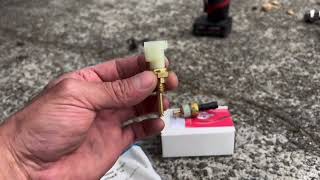
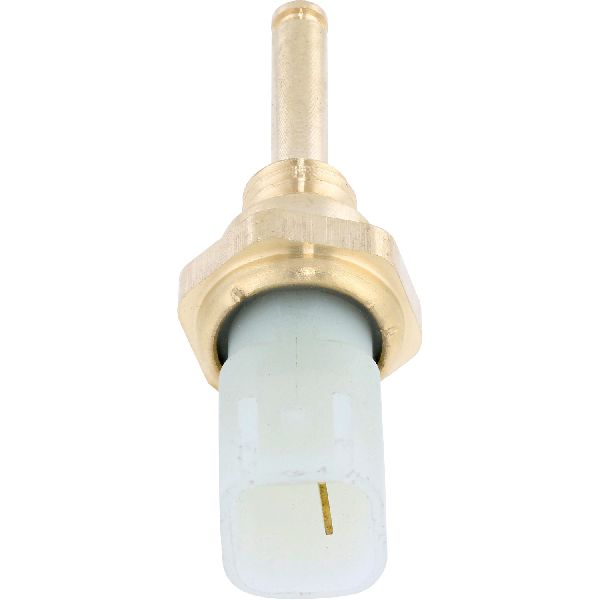
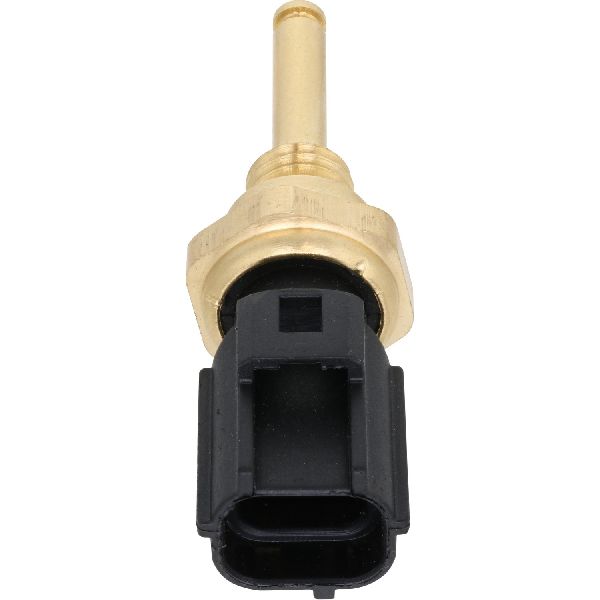
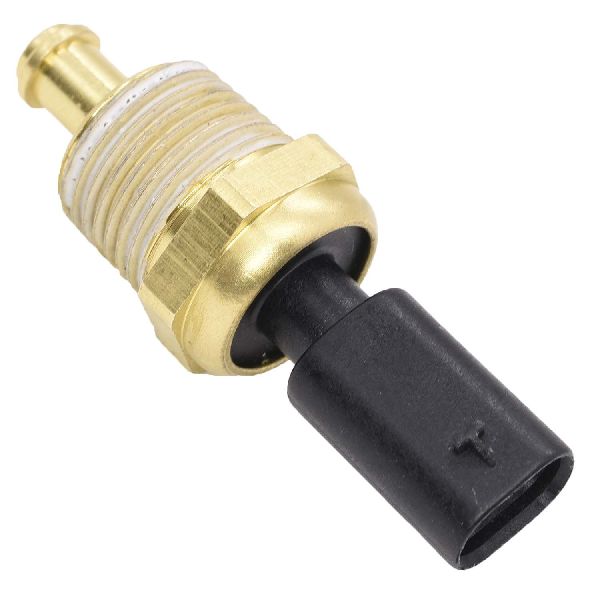
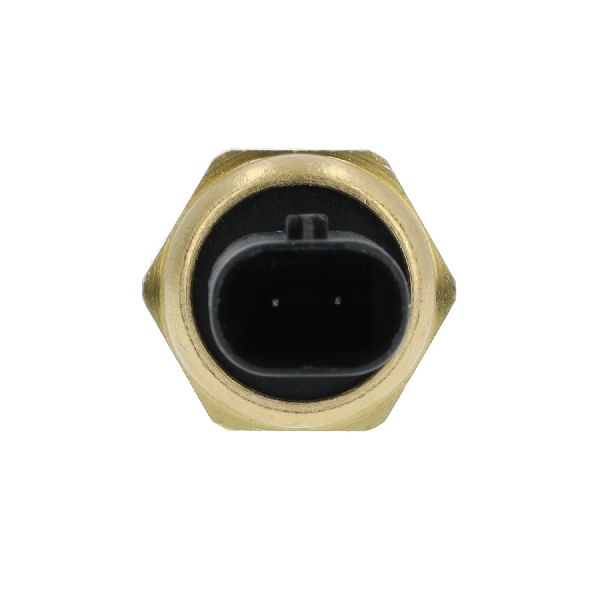
- 5.0L V8 Engines: These engines typically use a Cylinder Head Temperature (CHT) sensor. It screws directly into the cylinder head and does not touch coolant. 🎬 Watch this guide to locate and replace the CHT sensor. This makes replacement easier as you don't need to drain any coolant.
- 3.5L EcoBoost & 3.7L V6 Engines: These engines generally use a traditional Engine Coolant Temperature (ECT) sensor. It is located in a coolant passage, often near the thermostat housing. You will lose a small amount of coolant when replacing this sensor.
Pro Tip: Always verify the sensor type for your engine before ordering. They are not interchangeable. Using the wrong sensor will not work and may cause further issues.
Aftermarket Brand Quality Tiers
For a critical sensor like this, quality matters. A cheap, inaccurate sensor can cause the same problems as a broken one. Here’s an honest look at the available brands.
- Premium Aftermarket (Standard Ignition, Walker Products): Brands like Standard Ignition (also known as Standard Motor Products or SMP) and Walker Products are well-regarded in the industry. They are known for manufacturing parts to meet or exceed original equipment (OE) specifications and perform extensive testing. Many professional mechanics trust these brands for reliable performance.
- Quality Aftermarket (Holstein): Holstein is a solid choice that often provides a good balance of quality and value. They state that they work with OE manufacturers and back their sensors with a 3-year/36,000-mile warranty, which shows confidence in their product.
- Value Brands (Global Parts, other store brands): These are the most budget-friendly options. While they can work, sensors are precision electronics. For a part that controls your engine's fuel mixture and cooling, spending a few extra dollars on a premium or quality aftermarket brand is often a wise investment to avoid future headaches.
Known Issue: 2015-2017 F-150 with 2.7L EcoBoost
Ford issued Technical Service Bulletin (TSB) 21-2168 for some 2015-2017 F-150s with the 2.7L engine experiencing false overheating warnings. This is often due to the ECT sensor's location and wiring. The official fix involves a kit that relocates the sensor. If you have a 2.7L engine with these symptoms, be aware that a simple sensor replacement may not solve the problem.
Cost of Replacing the Engine Temperature Sensor
| Part Type | Estimated Cost |
|---|---|
| New Aftermarket Sensor | $10.99 - $40.30 |
| New OEM (Motorcraft) Sensor | $40 - $80 |
| Shop Labor | $95 - $150 |
| Total Professional Replacement | $110 - $230 |
Costs are estimates and may vary by location and your truck's specific engine.
Frequently Asked Questions (FAQ)
Where is the temperature sensor located on my 2012-2017 F-150?
The location depends on your engine. For the 5.0L V8, look for the CHT sensor on the cylinder head (no coolant contact). For the 3.5L EcoBoost and 3.7L V6, the ECT sensor is typically near the front of the engine by the thermostat housing, where the upper radiator hose connects.
Can I replace this sensor myself?
Yes, this is a very DIY-friendly job for most owners with basic tools. 🎬 See a step-by-step walkthrough of the replacement process. For a CHT sensor (5.0L), it's as simple as unplugging and unscrewing the old one. For an ECT sensor (EcoBoost/V6), be prepared for a small amount of coolant to spill. Always work on a completely cool engine to avoid burns.
What happens if I don't replace a bad sensor?
Ignoring a bad sensor can lead to long-term problems. You'll likely suffer from poor fuel mileage and performance. The most serious risk is the engine overheating without warning, which can cause catastrophic damage like a warped cylinder head or blown head gasket.
My truck threw code P0128. Is it the sensor or the thermostat?
Code P0128 means the engine isn't reaching its proper operating temperature quickly enough. While a bad sensor can cause this, it's most commonly caused by a thermostat that is stuck open. If you have this code, it's wise to inspect or replace the thermostat as well, preferably with a quality Motorcraft part.
🎬 Watch a mechanic explain what code P0128 means for you.Helpful Videos

Technical Specifications
OEM Part Numbers: 3L8Z12A648AA
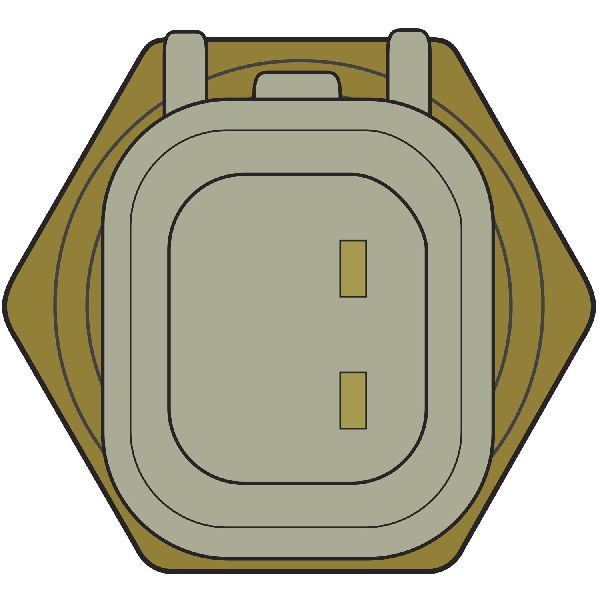
Sensor type varies by engine. 5.0L V8 engines typically use a Cylinder Head Temperature (CHT) sensor that does not contact coolant. 3.5L EcoBoost and 3.7L V6 engines use a traditional Engine Coolant Temperature (ECT) sensor located in a coolant passage.
We Have This Part in Stock


The information in this article is provided for general reference and educational purposes only. Vehicle specifications, procedures, and part compatibility can vary by production date, trim level, and region. Always consult your vehicle's factory service manual and verify part numbers before purchasing or performing repairs. Safety-critical components such as airbags, seat belts, and braking systems should be installed by a qualified professional.
- Ford F-150:
- 🎬 Helpful Videos
- 🛍️ Shop This Part
- Is Your F-150's Temperature Sensor Failing?
- Key Failure Symptoms
- Choosing the Right Aftermarket Sensor: ECT vs. CHT
- Aftermarket Brand Quality Tiers
- Known Issue: 2015-2017 F-150 with 2.7L EcoBoost
- Cost of Replacing the Engine Temperature Sensor
- Frequently Asked Questions (FAQ)
- 🎟️ Get 5% Off