

Engine Coolant Temperature Sensor Guide for 2012-2017 Ford F-250 Super Duty
An essential guide to diagnosing and replacing the engine coolant temperature sensor on your 6.2L or 6.7L Power Stroke Super Duty.
- A failing ECT sensor can cause a Check Engine Light (P0117, P0118, P0128), poor fuel economy, and potential overheating.
- Replacement is a simple, low-cost DIY job that most owners can complete in under 30 minutes.
- For critical electronics on a Super Duty, it is recommended to use OEM Motorcraft or a premium aftermarket brand like Delphi or NGK to ensure reliability.
- Do not ignore symptoms, as a faulty sensor can mask an overheating problem and lead to catastrophic engine damage.
Is Your F-250's ECT Sensor Failing?

A bad Engine Coolant Temperature (ECT) sensor can cause a range of problems, from minor annoyances to issues that could lead to engine damage. Because the sensor's reading affects so many other systems, symptoms can sometimes be confusing. Paying attention to these signs can help you diagnose a faulty sensor before it becomes a major headache.
Common Symptoms of a Bad ECT Sensor:
- Check Engine Light: This is often the first sign. The computer will store fault codes like P0117 (circuit low), P0118 (circuit high), or P0128 (coolant temperature below thermostat regulating temperature).
- Poor Fuel Economy: If the sensor incorrectly tells the computer the engine is cold, the system will enrich the fuel mixture, causing the truck to use more gas than necessary.
- Black Smoke from Exhaust: A rich fuel mixture from a bad sensor reading can result in unburnt fuel exiting through the exhaust, appearing as black smoke.
- Engine Overheating: A faulty sensor might fail to signal the cooling fans to turn on, leading to the engine overheating, especially in stop-and-go traffic.
- Hard Starting or Rough Idle: The computer relies on an accurate temperature reading to manage the engine during cold starts and at idle. A bad signal can cause rough running or difficulty starting.
- Inaccurate Temperature Gauge: The gauge on your dashboard may read unusually low, high, or not move at all.
Known Issues & Recalls
While there are no direct recalls for the ECT sensor itself on the 2012-2017 F-250, Ford did issue recall 17S09 / 17V209 for certain 2017 models. This recall addressed a potential for the cylinder head to crack, and the remedy involved installing a coolant level sensor system to alert the driver of low coolant, which could prevent overheating. Additionally, recall 18V894000 was issued for some 2017-2019 Super Duty trucks for issues with the engine block heater cable, which could lead to a fire risk when plugged in. Always check your VIN with the NHTSA or Ford to see if your specific truck is affected.
Choosing the Right Aftermarket ECT Sensor

For a critical sensor like the ECT, quality matters. While OEM Motorcraft is always a safe bet, several aftermarket brands offer a good balance of quality and value. Forum discussions among Ford truck owners often highlight that these engines can be picky about electronic parts. Sticking to well-regarded brands is recommended over budget options.
Brand Quality Tiers
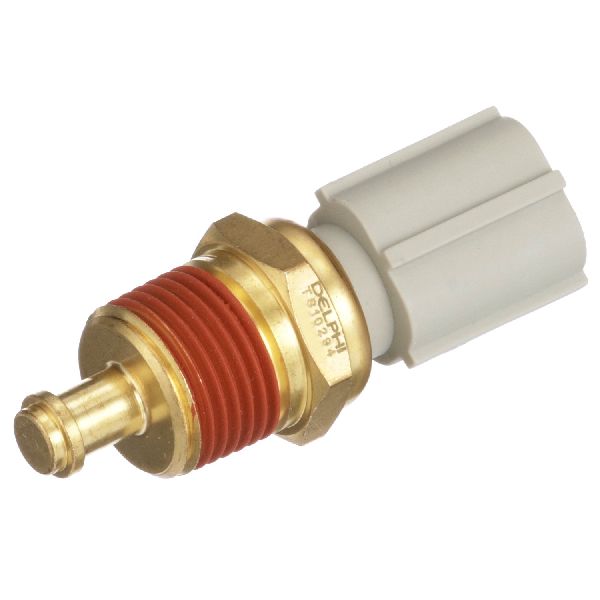
- Premium Aftermarket (Often OE Suppliers): Brands like Delphi and NGK have a strong reputation for producing sensors that meet or exceed original equipment specifications. They are known for reliability and are a solid choice if you want near-OEM quality without the dealer price tag.
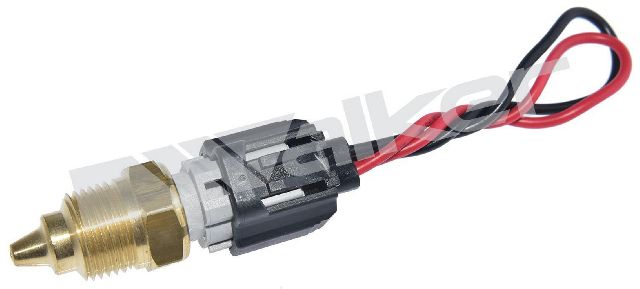
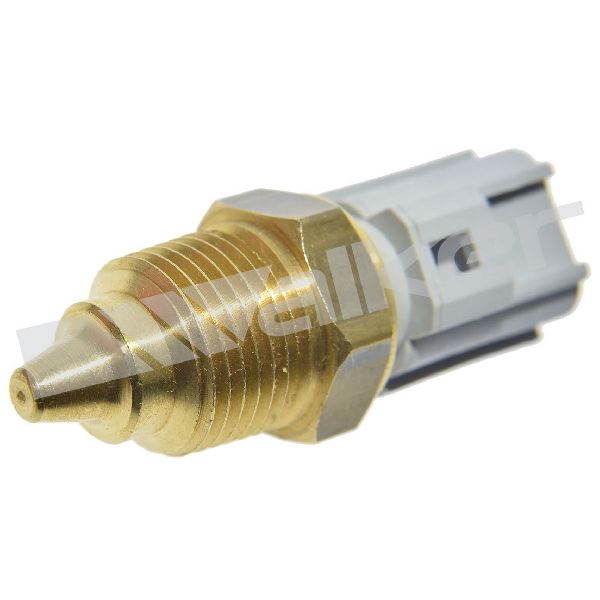
- Quality Aftermarket: Standard Ignition (SMP) and Walker Products are well-established brands that offer dependable replacement parts. They provide a good mix of performance and value and are a popular choice for DIY repairs.
- Standard/Economy: Brands like Four Seasons, Global Parts, and Calorstat fall into this category. While they are the most affordable, their long-term reliability can be inconsistent. For a sensor this critical and inexpensive to replace, investing a few extra dollars in a higher-tier brand is a wise decision.
Pro Tip: Many experienced Ford mechanics and owners recommend sticking with Motorcraft or a premium aftermarket brand like Delphi for electronic sensors. Some have reported issues with budget brands failing prematurely, requiring the job to be done a second time.
Replacement Cost for a 2012-2017 F-250 ECT Sensor

Replacing the ECT sensor is one of the more affordable repairs you can perform on your Super Duty. The part itself is inexpensive, and if you do it yourself, the cost is minimal.
| Part/Service | Estimated Cost |
|---|---|
| New Aftermarket Sensor | $13.63 - $40.30 |
| New OEM (Motorcraft) Sensor | $25 - $55 |
| Shop Labor | $110 - $161 |
| Total Professional Replacement | $135 - $216+ |
Note: Costs are estimates and can vary based on your location and specific vehicle configuration. The extremely high replacement cost cited in one source ($600+) appears to be an outlier and may include other unrelated services.
Frequently Asked Questions (FAQ)
Where is the ECT sensor located on the 2012-2017 F-250?
The location can vary slightly depending on your engine. On the 6.7L Power Stroke diesel, there are multiple temperature sensors. The primary ECT sensor is typically located near the thermostat housing at the front of the engine. For the 6.2L V8 gas engine, it is also generally found on or near the thermostat housing or on a coolant passage on the cylinder head. Always consult a repair manual for your specific engine to confirm the exact location.
Can I replace the ECT sensor myself?
Yes, this is a very DIY-friendly job for most home mechanics. It typically involves unplugging the electrical connector, unscrewing the old sensor, and quickly screwing in the new one to minimize coolant loss. The difficulty is generally low, requiring basic hand tools. Some coolant will escape, so have a catch pan ready and be prepared to top off the coolant afterward.
What happens if I don't replace a bad ECT sensor?
Ignoring a bad ECT sensor can lead to several issues. You'll likely experience poor fuel mileage and performance. More seriously, if the sensor fails to report an overheating condition, you risk severe engine damage like a cracked cylinder head, which can be an incredibly expensive repair.
Is there a difference between an ECT sensor and a Cylinder Head Temperature (CHT) sensor?
Yes. While they perform similar functions, an ECT sensor measures the temperature of the liquid coolant itself. A CHT sensor, used on some Ford engines, measures the temperature of the metal cylinder head. They are not interchangeable, and you must use the correct sensor for your vehicle's system.
Helpful Videos
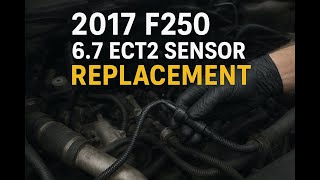

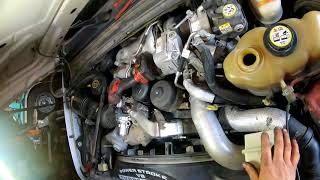
Technical Specifications
OEM Part Numbers: 3F1Z-12A648-A
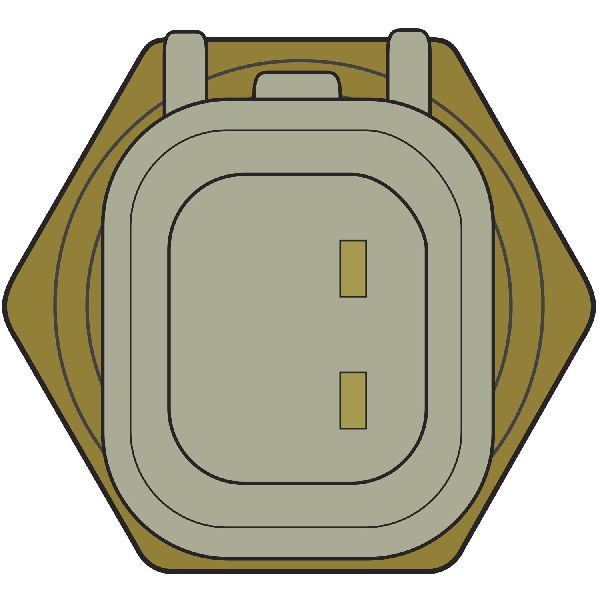
The ECT sensor is a thermistor, meaning its electrical resistance changes with temperature. It is typically a two-wire sensor with a threaded brass body that screws into a coolant passage.
We Have This Part in Stock


The information in this article is provided for general reference and educational purposes only. Vehicle specifications, procedures, and part compatibility can vary by production date, trim level, and region. Always consult your vehicle's factory service manual and verify part numbers before purchasing or performing repairs. Safety-critical components such as airbags, seat belts, and braking systems should be installed by a qualified professional.
- Ford F-250 Super Duty: