

A Ford Owner's Guide to the 2012-2017 Mustang Engine Coolant Temperature Sensor
An erratic temperature gauge or check engine light on your Mustang could point to a failing coolant or cylinder head temperature sensor.
- Your 2012-2017 Mustang likely has a Cylinder Head Temperature (CHT) sensor, not a traditional coolant sensor; verify the correct part for your engine.
- Symptoms include not only overheating but also poor fuel economy, an erratic gauge, and specific check engine light codes like P0128.
- Due to the difficult-to-access location at the rear of the engine, using a high-quality OEM (Motorcraft) or premium aftermarket (Delphi) sensor is recommended to avoid repeat labor.
- A P0128 trouble code is most often caused by a stuck-open thermostat, so investigate that before replacing the sensor.
Symptoms of a Failing Temperature Sensor in a 2012-2017 Mustang

When a coolant or head temperature sensor starts to fail, it sends bad information to your car's computer. This can cause a range of problems, from minor annoyances to serious risks of engine damage.
- Check Engine Light: This is often the first sign. The sensor may trigger codes like P0117 (Sensor Circuit Low), P0118 (Sensor Circuit High), P0128 (Coolant Temperature Below Thermostat Regulating Temperature), or P1299 (Cylinder Head Overtemperature Protection Active).
- Erratic Temperature Gauge: The needle on your dash might swing from cold to hot suddenly, or not move at all.
- Engine Overheating: If the sensor fails to report that the engine is hot, the cooling fans may not turn on when needed, leading to overheating. This can cause serious engine damage.
- Poor Fuel Economy: A sensor stuck reading "cold" will cause the computer to run a rich fuel mixture, wasting gas.
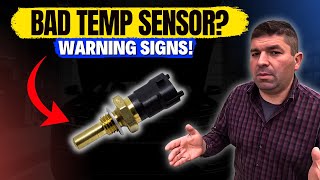
- Black Smoke from Exhaust: In severe cases, an overly rich fuel mixture can result in black smoke coming from the tailpipe. 🎬 Watch: 8 common symptoms of a failing temperature sensor.
- Hard Starting: When the engine is cold, the computer relies on the sensor for the correct starting fuel mixture. A bad reading can make the car difficult to start.
ECT vs. CHT Sensor: What Your Mustang Has
It's important to know that many 2012-2017 Mustangs, particularly those with the 5.0L V8 and 3.7L V6 engines, do not use a traditional Engine Coolant Temperature (ECT) sensor that sits in coolant. Instead, they use a Cylinder Head Temperature (CHT) sensor. This sensor screws directly into the cylinder head and measures the metal's temperature, which the computer then uses to infer the coolant temperature. While they perform a similar function, they are different parts and are not interchangeable. Always verify which sensor your specific engine requires before ordering.
Choosing the Right Aftermarket Temperature Sensor

For a critical part like a temperature sensor, quality matters. A cheap, inaccurate sensor can cause the same problems as a broken one. While OEM is often preferred for electronics, some aftermarket brands offer a reliable alternative.
- OEM (Motorcraft): The original part from Ford is the benchmark for fit and accuracy. Many Mustang owners on forums recommend sticking with Motorcraft for sensors to avoid issues and repeat repairs. The OEM part number is often cross-referenced as DY-1144.
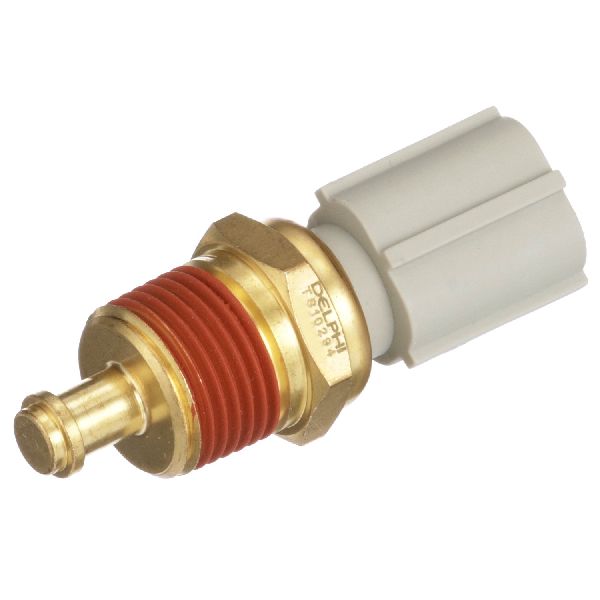
- Premium Aftermarket (Delphi): Brands like Delphi have a strong history as Original Equipment manufacturers for many car brands. They design their parts to meet or exceed OE specifications and are generally considered a trustworthy alternative to Motorcraft.
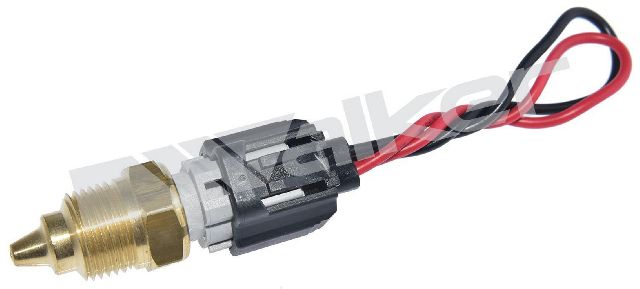
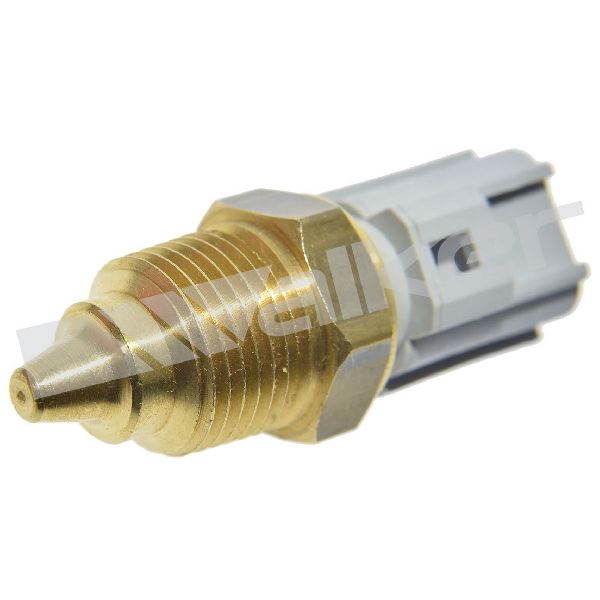
- Standard Aftermarket (Standard Ignition, Walker, Four Seasons): These brands are widely available and can be a good value. However, quality can sometimes be inconsistent. While many users have no problems, some have reported issues with fit or accuracy, leading them to eventually buy an OEM sensor.
Pro Tip: Given the difficult location of this sensor on both the V6 and V8 engines, it's worth spending a few extra dollars on a high-quality Motorcraft or Delphi part to avoid doing the job twice.
Known Issues, Recalls, and TSBs

While there are no direct recalls for the temperature sensor on the 2012-2017 Mustang, a few related service bulletins and campaigns exist:
- NHTSA Recall 17S09: Some Mustangs were recalled for potential cylinder head cracks that could lead to an oil leak. The fix involved installing a coolant level sensor system, which is different from the temperature sensor but highlights the importance of the cooling system.
- TSB 15-0073: Affecting some 2015 Mustangs with the 5.0L engine, this bulletin addresses a potential coolant leak from a heater hose, which could cause overheating symptoms.
- General TSBs: Ford has issued technical service bulletins for other models that mention replacing the CHT sensor to resolve certain diagnostic trouble codes.
| Part Type | Estimated Cost |
|---|---|
| New OEM (Motorcraft) | $25 - $45 |
| New Aftermarket | $10.99 - $40.30 |
| Shop Labor | $100 - $200 |
Frequently Asked Questions (FAQ)
Where is the temperature sensor located on my 2012-2017 Mustang?
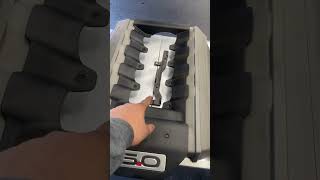
On both the 3.7L V6 and 5.0L V8 engines, the Cylinder Head Temperature (CHT) sensor is located on the back of the engine, making it difficult to access. On the V6, it is on the driver's side rear of the motor. On the 5.0L V8, it is on the passenger side cylinder head, near the firewall. Access often 🎬 See this walkthrough for replacing the sensor on a 5.0L. requires removing other components.
Can I replace the temperature sensor myself?
While the part itself is simple to unscrew and replace, its location makes this a challenging job for a beginner. Access is very tight, especially on the 5.0L V8. It is a feasible DIY for an experienced home mechanic, but may be frustrating. You will also lose some coolant during the swap, which will need to be topped off.
Is a P0128 code always a bad sensor?
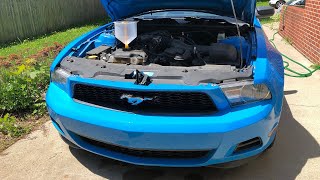
No. A P0128 code means the engine isn't warming up as fast as the computer expects. While a faulty sensor can cause this, the most common cause is actually a thermostat that is stuck open. It's wise to check the thermostat's operation before 🎬 Watch: How to replace the thermostat on a 2012 Mustang. replacing the sensor.
What is the difference between an ECT and CHT sensor?
An ECT (Engine Coolant Temperature) sensor is submerged in coolant, usually in the thermostat housing, to get a direct reading. A CHT (Cylinder Head Temperature) sensor threads into the engine's metal head to measure its temperature directly. The computer uses the CHT reading to calculate what the coolant temperature should be. Your 2012-2017 Mustang likely uses a CHT sensor.
Helpful Videos

Technical Specifications
OEM Part Numbers: DY1144 3F1Z12A648A
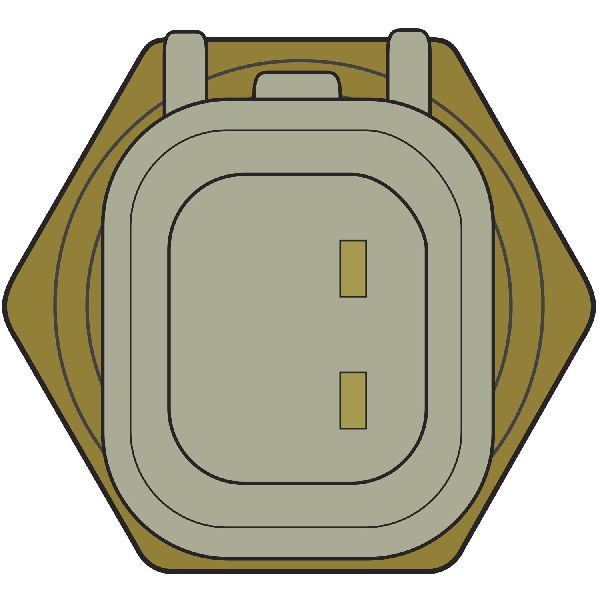
For most 2012-2017 V6 and V8 models, the correct part is a Cylinder Head Temperature (CHT) sensor, not a standard Engine Coolant Temperature (ECT) sensor. It is a 2-terminal, threaded sensor.
We Have This Part in Stock


The information in this article is provided for general reference and educational purposes only. Vehicle specifications, procedures, and part compatibility can vary by production date, trim level, and region. Always consult your vehicle's factory service manual and verify part numbers before purchasing or performing repairs. Safety-critical components such as airbags, seat belts, and braking systems should be installed by a qualified professional.
- Ford Mustang: