

A Guide to Aftermarket Brake Pads for the 2012-2017 Jeep Grand Cherokee
Choosing the right brake pads is crucial for keeping your Grand Cherokee stopping safely, whether you're commuting, towing, or heading off-road.
- Verify your Grand Cherokee's specific brake system (Standard, HD, or SRT) before purchasing parts, as components are not interchangeable.
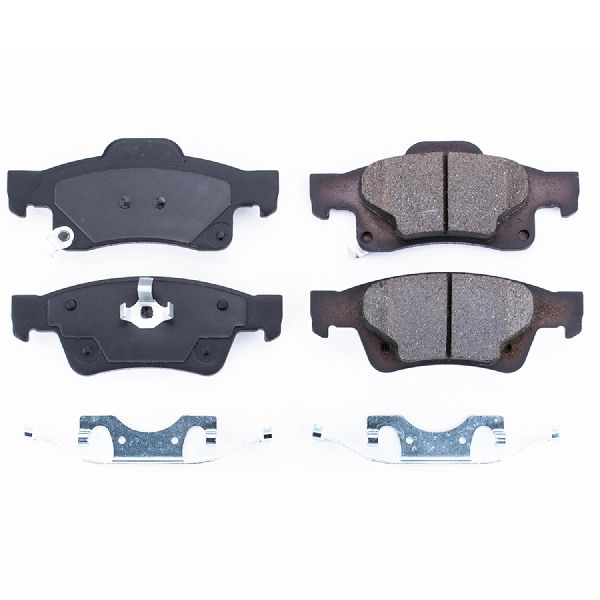
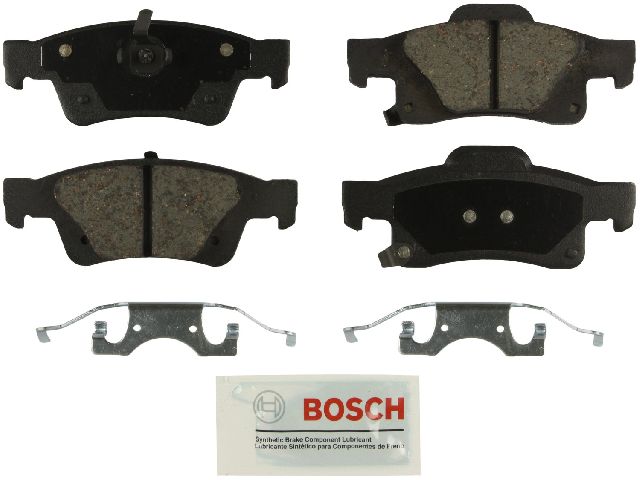
- For most owners, a quality ceramic aftermarket pad from a brand like Akebono, Bosch, or PowerStop offers the best balance of performance, low dust, and value.
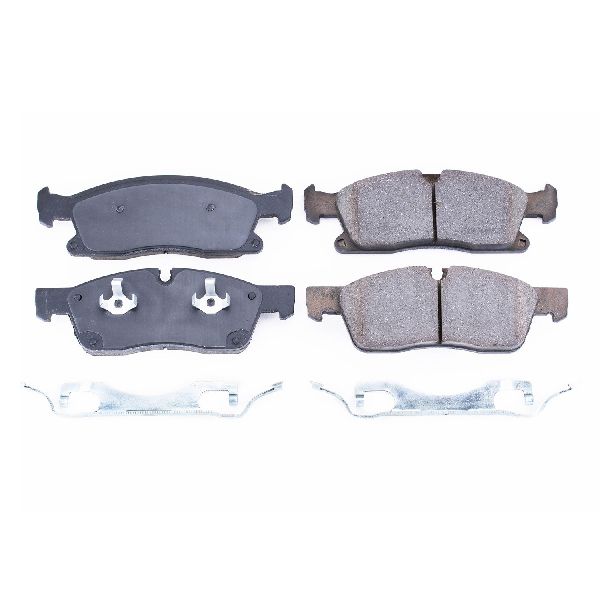
- If you tow or haul frequently, upgrade to a heavy-duty pad set from brands like PowerStop (Z36) or Hawk (HPS) to prevent brake fade.
- Always replace brake rotors with the pads to ensure safe, quiet, and optimal braking performance.
Is it Time for New Brake Pads?
Your Jeep will give you clear signs when the brake pads are wearing out. Ignoring them can lead to more expensive repairs down the road. Look out for these common symptoms.
Common Failure Symptoms
- Squealing or Screeching Noises: This is often the first sign. A small metal tab called a wear indicator makes contact with the rotor, creating a high-pitched noise to alert you that the pads are thin.
- Grinding Sounds: If you hear a deep, metallic grinding, it means the brake pads have worn down completely. This is metal-on-metal contact between the caliper and the rotor, which can cause significant damage. Stop driving and have your brakes inspected immediately.
- Vibrating Brake Pedal: A pulsating or vibrating feeling in the brake pedal when you stop often points to warped brake rotors. Warped rotors are frequently caused by heat from worn-out pads.
- Longer Stopping Distances: If you notice your Jeep takes longer to stop than it used to, your brake pads may be too worn to create the necessary friction.
Choosing the Right Aftermarket Brake Pads
When replacing your brake pads, you have many options besides the original equipment manufacturer (OEM) Mopar parts. Aftermarket pads often provide better performance, less dust, and can be more affordable. The key is to choose a pad that matches your driving style and your Grand Cherokee's specific brake system.
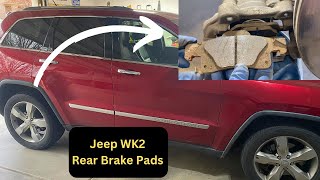
Pro Tip: The 2012-2017 Grand Cherokee was available with different brake systems (standard, heavy-duty, and SRT Brembo). The heavy-duty (HD) brakes, often part of a tow package, use larger components. You can identify HD brakes by checking your rear rotors; if they are vented (with cooling fins between the surfaces), you have the HD system. Always verify your specific brake system 🎬 Watch this guide to identify if you have HD brakes. before ordering parts.
Brake Pad Tiers for Your Driving Needs
Daily Driver / Economy Brands:
These pads are perfect for everyday commuting. They focus on quiet operation and low brake dust to keep your wheels clean. Many are ceramic, offering smooth and reliable stopping for a great value.
- Popular Brands: Bosch QuietCast, Centric Posi-Quiet, PowerStop Z16 Evolution, Akebono ProACT.
- Why Choose Them: Owners often find these pads to be excellent OEM alternatives, providing similar or better performance without the high dealer price. Akebono is a known OEM supplier, so their ProACT line offers a factory-equivalent feel.
Heavy-Duty & Towing Brands:
If you frequently tow a trailer or carry heavy loads, you need pads that can handle higher temperatures and resist brake fade. These pads often use carbon-fiber ceramic or ferro-carbon compounds for increased stopping power.
- Popular Brands: PowerStop Z36 Truck & Tow, Hawk Performance HPS, EBC Brakes.
- Why Choose Them: The PowerStop Z36 kit is a popular all-in-one upgrade for towing. Hawk HPS pads are praised for offering 20-40% more stopping power than standard pads, making them ideal for heavier use.
High-Performance (SRT) Brands:
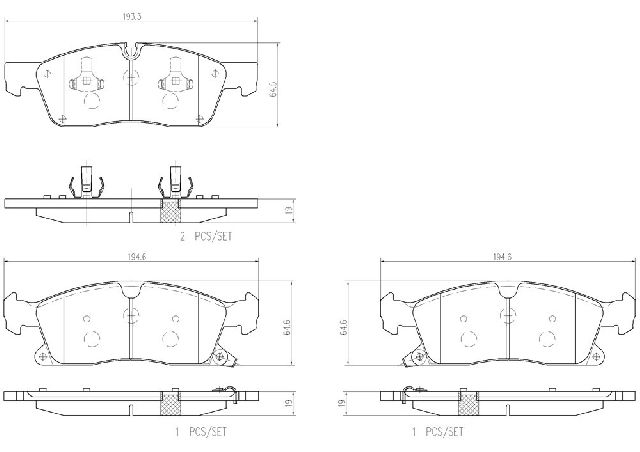
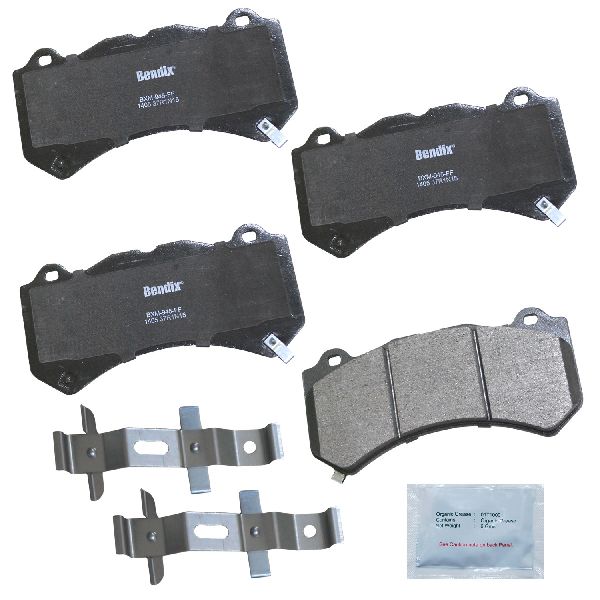
Grand Cherokee SRT models are equipped with high-performance Brembo brake systems from the factory and require specific pads. These pads are designed for aggressive driving and maximum stopping power, though they may produce more dust and noise.
- Popular Brands: Brembo, Hawk Performance, EBC Brakes.
- Why Choose Them: These brands are engineered to match the extreme capabilities of the SRT's powertrain, providing the heat resistance and bite needed for high-speed braking.
Known Issues, Recalls, and Service Bulletins
While there are no major recalls specifically for the brake pads on the 2012-2017 Grand Cherokee, there are a few related items to be aware of:
- Brake Booster Recall: Several recalls (NHTSA 14V-154, 17V-572) were issued for the brake booster on 2011-2014 models. An incorrectly installed water shield could allow water to enter and freeze in the booster, reducing braking ability. While this is not a pad issue, it's a critical safety repair to be aware of.
- Ready Alert Braking (RAB) System Recall: A recall (NHTSA 14V104000) was issued for 2012-2013 models because the RAB system could cause a hard brake pedal feel. The fix was a software update to optimize brake fluid flow.
Cost of New Aftermarket Disc Brake Pad Sets
| Category | Price Range |
|---|---|
| Aftermarket Daily Driver Pads (per axle) | $38 - $90 |
| Aftermarket Towing/Performance Pads (per axle) | $90 - $240 |
| OEM (Mopar) Pads (per axle) | $100 - $250+ |
Frequently Asked Questions (FAQ)
Do I need to replace my rotors at the same time as my pads?
It is highly recommended. New pads perform best on a fresh, flat rotor surface. Installing new pads on old, worn, or warped rotors can reduce braking performance, create noise, and cause the new pads to wear out unevenly and prematurely.
What's the difference between ceramic and semi-metallic pads?
Ceramic pads are known for being quiet and producing very little dust, making them ideal for daily driving. Semi-metallic and ferro-carbon pads offer better performance in high-heat situations like towing or performance driving, but they can be noisier and produce more dust.
How difficult is it to replace brake pads on my Grand Cherokee?
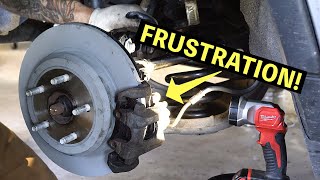
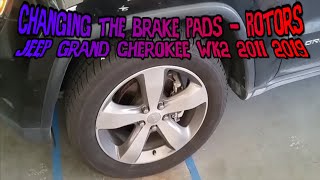
Replacing brake pads is a common DIY job for those with mechanical experience and the right tools. It typically requires tools like a jack, jack stands, a lug wrench, a caliper compression tool, and various sockets and wrenches. If you are not comfortable performing the work, a qualified mechanic can do the job 🎬 Follow this step-by-step video to change your own brake pads. in 1-2 hours.
What does it mean to "bed-in" new brakes?
Bedding-in is the process of transferring an even layer of friction material from the new pads onto the rotors. This is critical for optimal performance and preventing vibration. The process typically involves a series of moderate-to-hard stops from around 40-50 mph, with cooling periods in between. Always follow the manufacturer's specific procedure.
Helpful Videos
Technical Specifications
OEM Part Numbers: 52124763AC
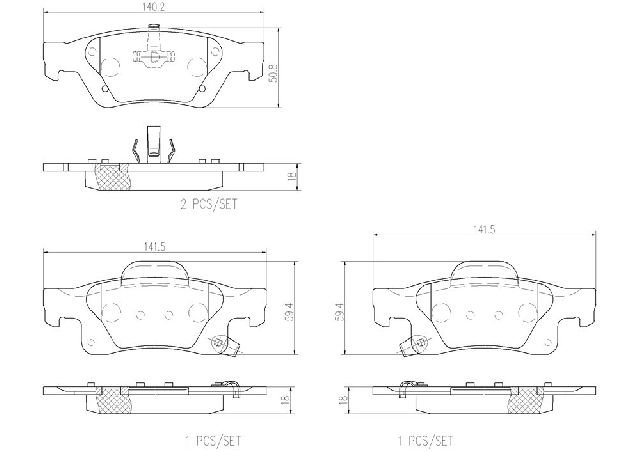
Brake systems vary by trim and package. Standard models may have solid rear rotors (BRY code), while models with a tow package or V8 engine typically have vented rear rotors and larger front brakes (HD/BR2 code). SRT models use a distinct Brembo brake system. The brake pads are the same for BRY and BR2 systems, but the rotors are different.
We Have This Part in Stock

The information in this article is provided for general reference and educational purposes only. Vehicle specifications, procedures, and part compatibility can vary by production date, trim level, and region. Always consult your vehicle's factory service manual and verify part numbers before purchasing or performing repairs. Safety-critical components such as airbags, seat belts, and braking systems should be installed by a qualified professional.
- Jeep Grand Cherokee:
- 🎬 Helpful Videos
- 🛍️ Shop This Part
- Is it Time for New Brake Pads?
- Common Failure Symptoms
- Choosing the Right Aftermarket Brake Pads
- Brake Pad Tiers for Your Driving Needs
- Known Issues, Recalls, and Service Bulletins
- Cost of New Aftermarket Disc Brake Pad Sets
- Frequently Asked Questions (FAQ)
- 🎟️ Get 5% Off