

Toyota Highlander A/C Receiver Drier & Desiccant Element Guide (2012-2017)
Is your Highlander's A/C not blowing cold? The A/C receiver drier's desiccant element could be the problem.
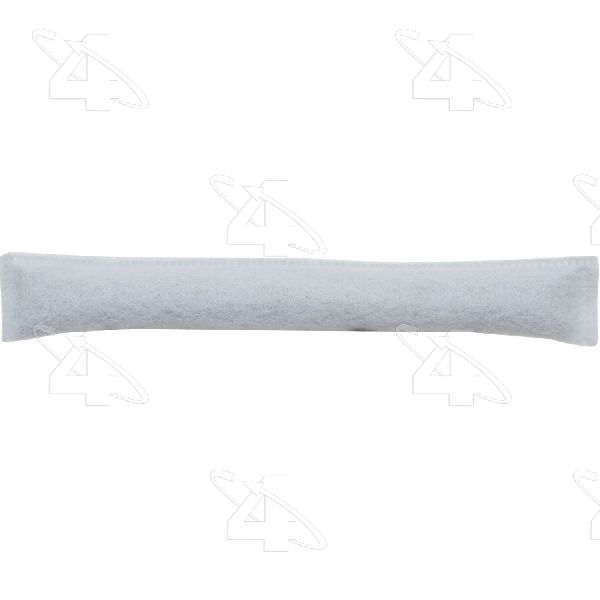
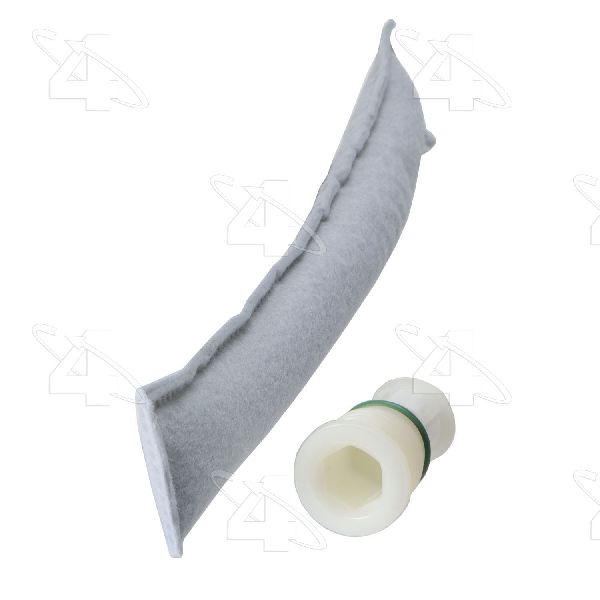
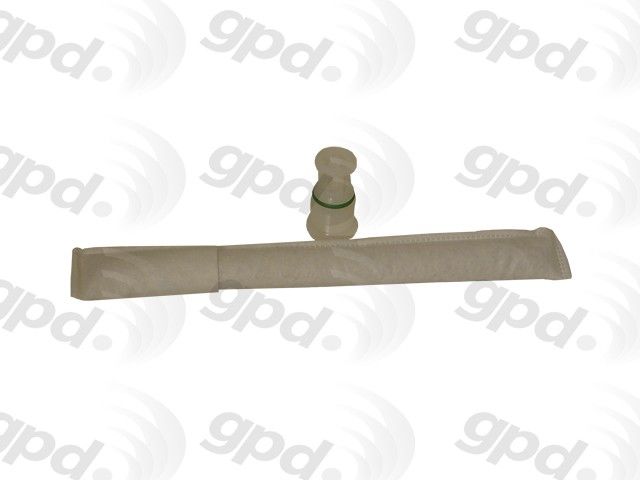
- On the 2012-2017 Highlander, this part is a desiccant bag located inside the A/C condenser, not a separate canister.
- It is mandatory to replace the desiccant bag anytime the A/C system is opened for repairs to prevent moisture damage.
- This is not a DIY-friendly repair; it requires special equipment to safely and legally handle refrigerant.
- No recalls exist for this part, but a TSB for slow cooling on 2014-15 models points to the compressor, not the drier.
Is your Highlander's A/C system ready for summer?
If the air conditioning in your 2012-2017 Toyota Highlander is struggling, you might be looking at a few different possible causes. While many focus on the compressor or refrigerant levels, a small but vital part called the A/C receiver drier, or more specifically the desiccant element inside it, often gets overlooked. This part acts as the guardian of your A/C system, and knowing when and why to replace it is key to a long-lasting repair.
Symptoms of a Failing A/C Receiver Drier
A bad receiver drier will make its presence known 🎬 Watch: A helpful guide for troubleshooting Highlander A/C issues. through your A/C's performance. Because its job is to remove moisture and filter debris, a failure can cause system-wide problems.
- Poor Cooling Performance: This is the most common symptom. If the desiccant bag breaks apart or becomes clogged with debris, it can restrict the flow of refrigerant, meaning the air from your vents won't be as cold as it should be.
- Musty or Moldy Smell: If the drier becomes saturated with moisture and can't absorb any more, it can lead to mold and mildew growth inside your A/C system, causing an unpleasant smell from the vents.
- Foggy Windows: A properly functioning A/C system helps defog your windows by removing humidity from the cabin. If your drier is failing, your defroster may not work effectively.
- Rattling Noises: In rare cases, the drier itself or the desiccant material can break apart, causing rattling sounds when the A/C is running.
A Pro-Level Repair Only
Replacing the receiver drier desiccant is not a typical DIY job. Federal law requires that the refrigerant in the system be recovered by a certified technician with specialized equipment before the system is opened. The system must then be put under a vacuum to remove air and moisture before being recharged with the precise amount of refrigerant. Failure to do this will cause poor performance and can damage A/C components.
Known Issues: A Note on TSB T-SB-0085-16
Owners of 2014-2015 Highlanders may have experienced an issue where the A/C takes a long time (90-120 seconds) to start blowing cold. Toyota issued a Technical Service Bulletin (TSB) for this condition. However, this problem is related to the A/C compressor and A/C amplifier, not the receiver drier. If you have this specific symptom, the solution is an updated compressor and amplifier, not a new drier, although the drier should be replaced as part of that repair.
Choosing the Right Aftermarket Drier
When your A/C system is opened for any major repair, like replacing the compressor or condenser, you must replace the receiver drier desiccant element. The old drier has already been exposed to the atmosphere and is saturated with moisture, making it useless. You have a choice between the original Toyota part and aftermarket options.
OEM (Original Equipment Manufacturer): The Toyota-branded part is guaranteed to fit and is made to the original quality standards. For a part that requires significant labor to access, many prefer the peace of mind that comes with an OEM part.
Aftermarket Brands (Four Seasons, Global Parts):
- Four Seasons: This is a very common aftermarket brand with a reputation for being a budget-friendly option. Reviews are often mixed; some users report good experiences, while others have had issues with quality and longevity, particularly with more complex parts like compressors. For a simple desiccant bag, the risk is lower, but it's a brand associated with value over premium quality.
- Global Parts (gpd): GPD is another popular aftermarket supplier. They often market their parts as meeting or exceeding OE specifications and containing quality desiccant.
Pro Tip: The cost of the desiccant bag itself is very low compared to the labor involved in replacing it. Because the entire A/C system has to be evacuated and recharged, it's wise not to cut corners on the part. Choosing a quality OEM or reputable aftermarket part is a small price to pay to ensure you don't have to do the job twice.
| Part/Service | Estimated Cost |
|---|---|
| Aftermarket Desiccant Element | $13 - $30 |
| OEM Desiccant Element | $50 - $100 |
| Shop Labor (including system evacuation & recharge) | $312 - $458 |
| Total Professional Replacement | $325 - $558 |
Frequently Asked Questions
Where is the receiver drier on my 2012-2017 Highlander?
It is not a standalone part. It's a desiccant filter bag located inside a sealed tube that is part of the A/C condenser assembly, which sits in front of the radiator. Access involves removing a large hex plug on the side of the condenser.
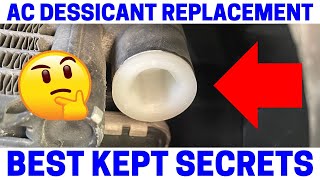
🎬 See this walkthrough on replacing just the desiccant filter bag.Why do I have to replace the drier if I'm replacing another A/C part?
The desiccant material inside the drier immediately absorbs moisture from the air as soon as the A/C system is opened. A saturated drier cannot protect your system from new moisture, which can lead to corrosion and freeze-ups. It is a mandatory replacement item for any A/C repair.
Are there any recalls for this part?
No. As of late 2024, there are no specific NHTSA recalls for the A/C receiver drier or A/C system on the 2012-2017 Toyota Highlander.
Can I just replace the desiccant bag and not the whole condenser?
Yes, the desiccant bag is designed to be serviceable. However, if your condenser is old, damaged, or has an internal clog, it is common practice for repair shops to replace the entire condenser/drier assembly as one unit.
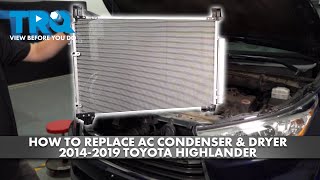
🎬 Watch: How to replace the full condenser and drier assembly.Helpful Videos
Technical Specifications
OEM Part Numbers: 88474-48010
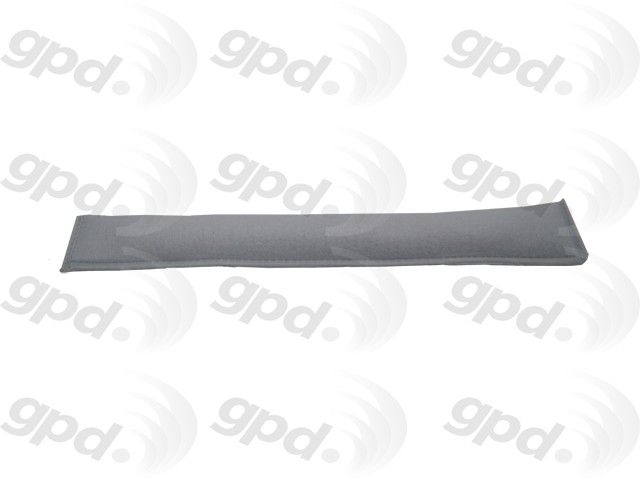
Serviceable desiccant bag element for condenser-drier assembly.
We Have This Part in Stock

The information in this article is provided for general reference and educational purposes only. Vehicle specifications, procedures, and part compatibility can vary by production date, trim level, and region. Always consult your vehicle's factory service manual and verify part numbers before purchasing or performing repairs. Safety-critical components such as airbags, seat belts, and braking systems should be installed by a qualified professional.
- Toyota Highlander: