

Audi A7 Quattro Engine Coolant Temperature Sensor Guide (2012-2018)
A failing coolant temperature sensor in your Audi A7 can cause more than just a faulty gauge—it can impact engine performance and fuel economy.
- Replacement is labor-intensive; the main sensor is under the supercharger, making labor costs high.
- Always choose an OEM-supplier brand like Hella, Delphi, or Vemo for this critical sensor to ensure accuracy.
- Symptoms can mimic a bad thermostat; proper diagnosis is essential to avoid replacing the wrong part.
- Be aware of multiple temperature sensors on the vehicle; confirm which one has failed before ordering a replacement.
Is Your Audi A7 Coolant Sensor Failing?

A faulty Engine Coolant Temperature (ECT) sensor can cause a surprising number of issues with your 2012-2018 Audi A7 Quattro. Because the sensor's reading affects so many engine functions, a bad signal can lead to everything from poor performance to a no-start condition. Recognizing the symptoms early can save you from further headaches and more expensive repairs.
Symptoms of a Bad ECT Sensor
The signs of a failing ECT sensor can sometimes be confused with other issues, like a bad thermostat. Here’s what to watch for:
- Check Engine Light: This is often the first sign. You may see codes like P0118 (Circuit High Input), P0117 (Circuit Low Input), or P2181 (Cooling System Performance).
- Erratic Temperature Gauge: The needle on your dash might stay on cold, jump to hot immediately, or fluctuate randomly.
- Poor Fuel Economy: If the sensor incorrectly tells the ECU the engine is cold, the computer will enrich the fuel mixture, causing the car to use more gas.
- Engine Overheating or Running Too Cool: A bad sensor can fail to trigger the cooling fans when needed, leading to overheating. Conversely, if the gauge never seems to reach the normal operating temperature, the sensor could be at fault.
- Cooling Fans Running Constantly: The system may default to running the fans on high speed to prevent potential overheating if it receives no signal from the sensor.
- Rough Idling or Misfiring: Incorrect fuel and timing adjustments can cause the engine to run poorly.
- Black Smoke from Exhaust: A very rich fuel mixture may not burn completely, leading to black smoke from the tailpipe.
Known Issues & TSBs
Audi issued a Technical Service Bulletin (TSB 2062951/2) for a related sensor, the G407 cylinder head temperature sensor. The TSB notes that a damaged O-ring on the sensor can allow moisture to enter and cause the sensor to fail, sometimes sporadically. This can trigger fault code P2181 (Malfunction in cooling system). 🎬 Watch: Understanding and fixing the P2181 cooling system code. While not the exact same sensor, it highlights the sensitivity of the cooling system's electronics. 🎬 See the most common coolant system failures on this engine. No direct recalls were found for the primary engine coolant temperature sensor for this model.
Choosing the Right Aftermarket Sensor

For critical electronic sensors on an Audi, quality and accuracy are paramount. While saving money is tempting, a cheap, inaccurate sensor can cause performance issues that cost more to diagnose and fix later. It is highly recommended to use an OEM or OE-supplier brand.
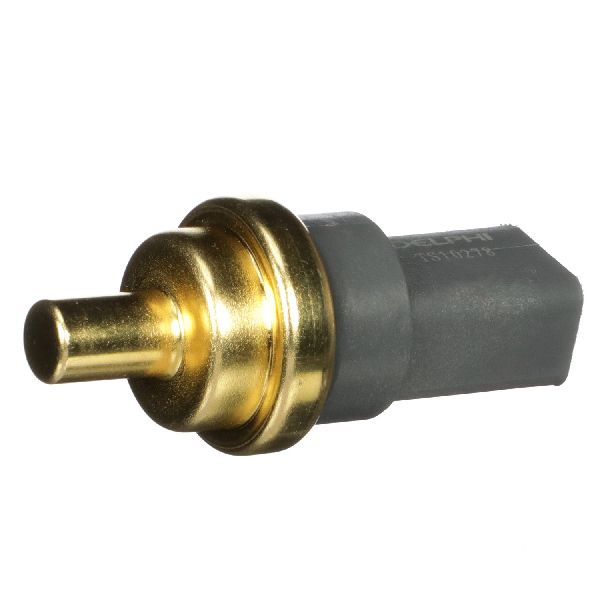
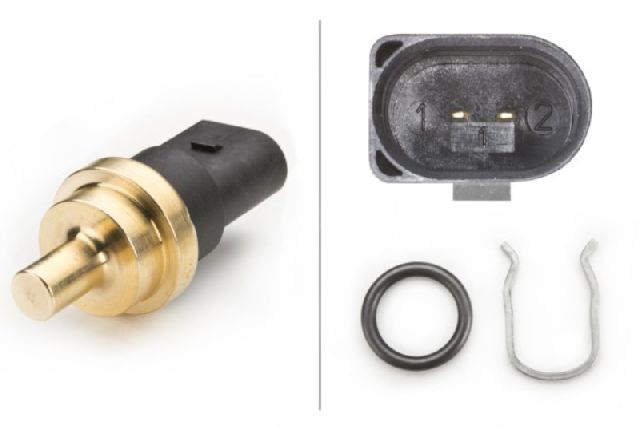
- Tier 1: OEM / OE-Supplier Brands (Recommended): These brands (like Hella, Delphi, Vemo, NGK, and Bosch) are known to manufacture parts for Volkswagen/Audi. They provide the same quality and specifications as the original part without the dealer markup.
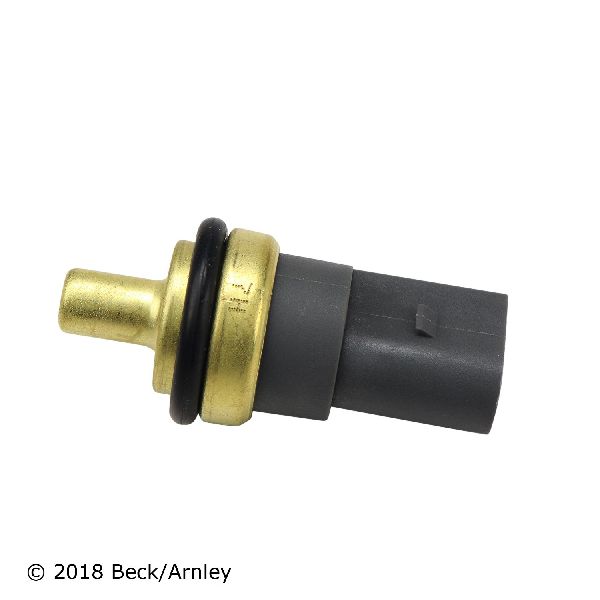
- Tier 2: Reputable Aftermarket Brands: Brands like Standard Ignition (SMP) and Beck Arnley have a long history of producing reliable aftermarket components. They are a solid choice if an OE-supplier part is not available.
- Tier 3: Value Brands: While brands like Global Parts and Four Seasons offer the lowest price, they are generally not recommended for this specific, critical sensor on a complex vehicle like the A7. An inaccurate reading can negate the initial savings through poor fuel economy or further diagnostic costs.
Common Ordering Mistake
The Audi A7 3.0T engine has multiple temperature sensors that serve different functions (e.g., main sensor, radiator outlet sensor). It is crucial to correctly diagnose which sensor has failed before ordering. The primary ECT sensor (often called G62) is located in the engine valley underneath the supercharger, making it very difficult to access. Always verify the part number and location for your specific vehicle, ideally with a VIN, before purchasing.
| Part Type | Price Range |
|---|---|
| New Aftermarket | $13.18 - $45.77 |
| New OEM (Dealer) | $50 - $100+ |
| Shop Labor | $330 - $485+ |
Frequently Asked Questions (FAQ)

Can I replace the engine coolant temperature sensor myself?
For the primary ECT sensor on the 3.0T engine, a DIY replacement is not recommended for beginners. The sensor is located under the supercharger, which must be removed for access. 🎬 Watch: Step-by-step guide to removing the supercharger for repairs. This is a complex and time-consuming job, with labor estimates from repair shops running 3-5 hours. Other sensors, like the one on the lower radiator hose, are more accessible but may not be the one that has failed.
Why not just buy the cheapest sensor available?
The ECU relies on a precise temperature reading for engine management. A cheap, low-quality sensor may provide inaccurate data, even if it doesn't fail completely. This can lead to persistent issues like poor fuel economy, rough running, and failed emissions tests, erasing any initial cost savings.
How many coolant temperature sensors does my A7 have?
These vehicles typically have at least two main coolant temperature sensors. One sensor (often G62) provides the primary reading for the engine computer, while another (often G83) might be located at the radiator outlet to measure cooling efficiency. It's essential to diagnose which sensor is faulty before replacing parts.
Is a bad sensor the same as a bad thermostat?
No, they are different parts with similar symptoms. A thermostat is a mechanical valve that opens and closes to regulate coolant flow. A sensor is an electronic component that measures temperature. A thermostat stuck open can cause the engine to run too cool, while one stuck closed causes overheating. A proper diagnosis is needed to tell them apart.
Helpful Videos





Technical Specifications
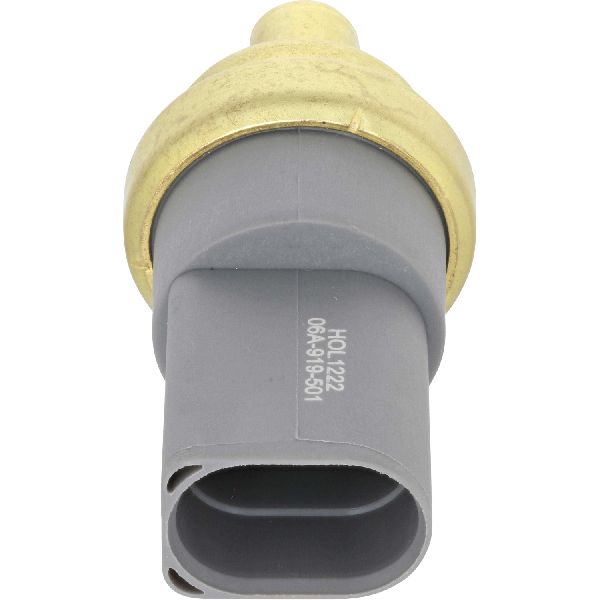
OEM Part Numbers: 079919523J 06A919501A 059919501A
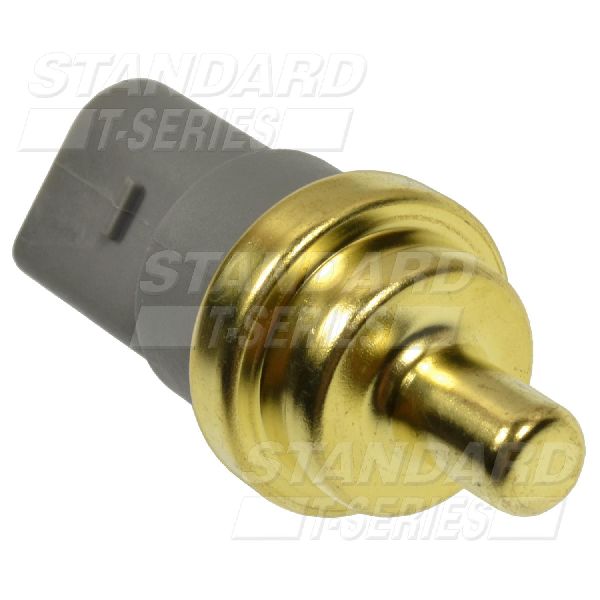
The primary sensor for the 2012-2018 Audi A7 3.0T is typically a 2-pin sensor located in the engine valley. Due to multiple sensors and part variations, always verify the correct part number with your vehicle's VIN before purchasing.
We Have This Part in Stock


The information in this article is provided for general reference and educational purposes only. Vehicle specifications, procedures, and part compatibility can vary by production date, trim level, and region. Always consult your vehicle's factory service manual and verify part numbers before purchasing or performing repairs. Safety-critical components such as airbags, seat belts, and braking systems should be installed by a qualified professional.
- Audi A7 Quattro: