

A Guide to the 2012-2018 BMW 320i HVAC Heater Hose
Losing cabin heat or smelling coolant? Your F30's heater hoses could be the culprit.
- The plastic connectors are the weak point, not the rubber hose itself; they become brittle and crack.
- Symptoms include no heat, a sweet coolant smell, visible leaks, and potential engine overheating.
- While aftermarket hoses from brands like Gates are available, using Genuine BMW parts is often recommended for cooling system reliability.
- If one hose fails, it's wise to replace other original cooling hoses at the same time as a preventative measure.
Is Your BMW 320i Losing Heat or Leaking Coolant?
If you're noticing a lack of warm air from your vents, a sweet, syrupy smell, or puddles of blue or green fluid under your car, it's time to inspect your HVAC heater hoses. On the 2012-2018 BMW 320i (F30 chassis), the cooling system is known for its plastic components, which can become brittle and fail over time. The heater hoses are no exception, and their failure can lead to coolant loss and a cold cabin.
Known Issue: Brittle Plastic Connectors
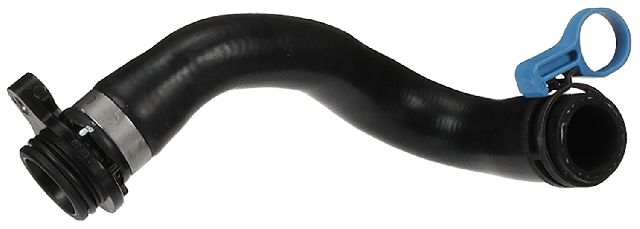
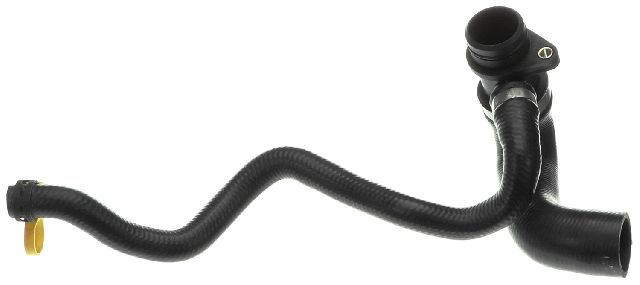
The most common failure point on these hoses isn't the rubber itself, but the plastic quick-connect fittings at the ends. After years of engine heat cycles, this plastic can crack or break with little warning, causing a sudden leak. When replacing a hose, it's wise to inspect all other plastic cooling parts, as they are likely the same age and condition.
Symptoms of a Failing Heater Hose
A bad heater hose will give you clear signs that something is wrong. Look out for:
- No Heat or Lukewarm Air: This is the most direct symptom. If the hot coolant can't reach the heater core, you won't get hot air in the cabin.
- Sweet Smell: Leaking coolant (antifreeze) has a distinct sweet smell. You might notice it inside the cabin if the leak is near the firewall, or in the engine bay.
- Coolant Puddles: You may find blue or green puddles under your car, typically towards the back of the engine or under the passenger area.
- Low Coolant Warning Light: A persistent low coolant light, even after topping off, points to a leak in the system.
- Foggy Windows: If a hose or the heater core is leaking into the cabin, the coolant vapor can create a greasy film on the inside of your windows that is difficult to clear.
Choosing the Right Aftermarket Part: OEM vs. Gates
When it comes to cooling system parts on a BMW, the debate between original (OEM) and aftermarket is important. Your heater hose is a critical part, and failure can leave you stranded.
- Genuine BMW (OEM): These parts are the most expensive but guarantee perfect fitment and are made to BMW's exact specifications. Given the common issues with aftermarket cooling parts on these cars, many experienced owners and mechanics recommend sticking with Genuine BMW for hoses to ensure longevity.
- Gates (Aftermarket): Gates is a well-known brand that produces quality parts. However, for European cars like BMW, some users report issues with the fitment or durability of the plastic connectors on aftermarket hoses. While the rubber hose may be high quality, a poorly fitting connector can cause leaks. It can be a good budget-friendly option, but it may carry a higher risk of premature failure compared to an OEM part.
Pro Tip: If one plastic hose fitting has failed, others are likely not far behind. It is highly recommended to replace all cooling system hoses at the same time as a preventive measure to save on future labor and avoid another breakdown.
Cost of Replacing Your Heater Hose
| Part Type | Price Range |
|---|---|
| New OEM (Genuine BMW) | $70 - $185 per hose |
| New Aftermarket (Gates) | $37.41 - $143.42 |
| Shop Labor | $232 - $340 |
Note: Prices are estimates and can vary based on location and the specific hose being replaced. Your 320i has multiple heater hoses.
Frequently Asked Questions (FAQ)
Is this a difficult DIY job?
For an experienced DIYer, replacing some of the heater hoses is manageable. The difficulty is about a 3 out of 5. Some hoses are easily accessible, while others may require removing the engine air box or plastic cowling near the windshield. The key challenges are the tight spaces and releasing the quick-connect clips without breaking other brittle plastic parts. If you are not comfortable working on your car, it's best to leave this job to a professional.
How long does it take to replace a heater hose?
A professional mechanic can typically replace a heater hose in 2 to 3 hours. For a DIYer, it's best to set aside 3 to 4 hours to account for learning and potential difficulties with stuck clips or tight access.
Are there any recalls for the 2012-2018 BMW 320i heater hose?
There are no specific recalls for the HVAC heater hoses. However, there is a service action (SIB 17 01 21) for a coolant vent line on some 2015-2018 models that could break and cause a coolant leak. Additionally, there is a major safety recall (NHTSA 24V-608) for the electric water pump on these models, which can short-circuit and pose a fire risk. It is critical to have this recall performed by a dealer.
What type of coolant should I use?
You must use a specific coolant for your BMW, which is typically a blue-colored, phosphate-free G48 formula. Using the wrong type of coolant can damage the plastic and rubber components in your cooling system. Always check your owner's manual or the coolant reservoir for the correct specification.
Technical Specifications
OEM Part Numbers: 11537603514 17127596841 64219208187 11537639998
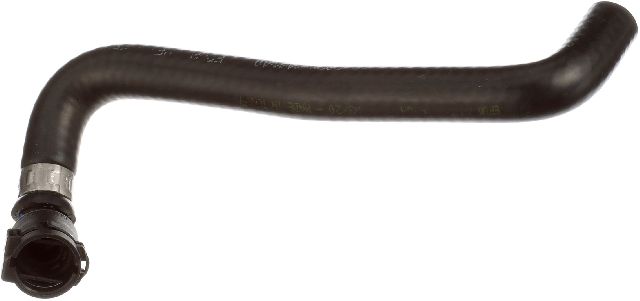
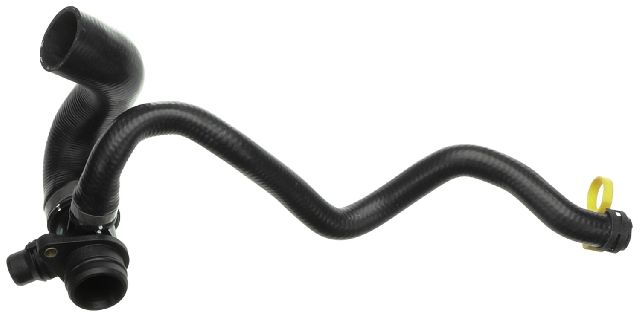
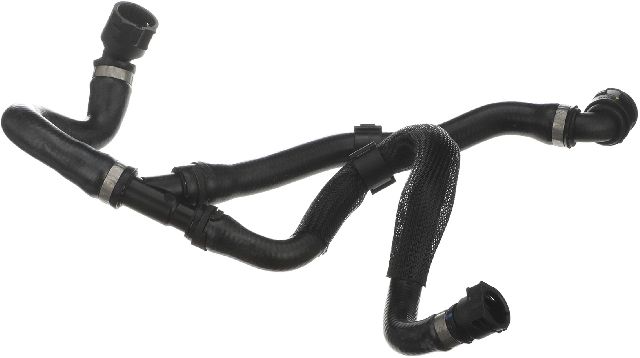
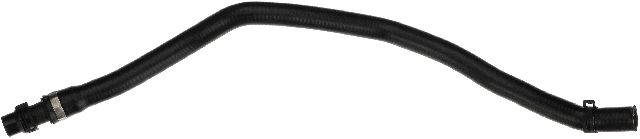
There are multiple heater hoses that connect to the firewall and heater core. They are typically made of EPDM rubber with integrated plastic quick-connect fittings. It is essential to identify the correct hose by its specific location (e.g., inlet, outlet) before ordering.
We Have This Part in Stock

The information in this article is provided for general reference and educational purposes only. Vehicle specifications, procedures, and part compatibility can vary by production date, trim level, and region. Always consult your vehicle's factory service manual and verify part numbers before purchasing or performing repairs. Safety-critical components such as airbags, seat belts, and braking systems should be installed by a qualified professional.
- BMW 320i: