

A Guide to the Serpentine Belt on the 2012-2018 BMW 320i
Understand this critical component to prevent unexpected breakdowns and potentially catastrophic engine damage in your BMW 320i.
- The most critical issue is an oil leak from the oil filter housing gasket causing belt failure and potential engine ingestion; this must be checked and fixed.
- It is highly recommended to replace the belt tensioner and any idler pulleys at the same time as the belt.
- Driving is not recommended if the belt is broken, as the alternator will not charge the battery, leaving you stranded.
- Choosing an OEM-supplier brand like Continental or a premium aftermarket brand like Gates ensures reliability and proper fit.
Signs of a Failing Serpentine Belt
A failing serpentine belt gives clear warning signs. Ignoring them can leave you stranded. Be aware of these symptoms to know when a replacement is needed.
Squealing or Chirping Noises: A high-pitched squeal or chirp from the engine bay, especially on startup or during acceleration, is the most common symptom. This noise means the belt is slipping on the pulleys due to wear or a weak tensioner.
Visible Wear and Tear: Pop the hood and look at the belt. If you see cracks, fraying, missing ribs, or a glazed, shiny surface, the belt is old and needs to be replaced.
Alternator or Battery Warning Light: The serpentine belt drives the alternator. If the belt slips or breaks, the alternator can't charge the battery, which will trigger a battery warning light on your dashboard.
AC System Failure: Since the belt powers the AC compressor, a failing belt can cause your air conditioning to stop blowing cold air.
A Critical Issue for N20 Engines: Belt Ingestion
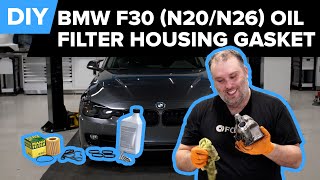
A well-documented and extremely serious issue on the N20 engine is serpentine belt failure caused by oil leaks. The oil filter housing gasket (OFHG) is a common failure point that leaks oil directly onto the serpentine belt. This oil causes the rubber belt to swell, soften, and eventually slip off the pulleys. When it slips off, it can get pulled past the front crankshaft seal and into the engine's oil pan. This is known as 'belt ingestion.' The shredded belt pieces can clog the oil pump pickup tube, starving the engine of oil and leading to catastrophic failure. If you are replacing your belt, it is critical to first inspect the engine for any oil leaks, especially from the oil filter housing, and repair them immediately.
🎬 Watch: How to fix the oil filter housing gasket leak.Choosing the Right Aftermarket Serpentine Belt
Not all aftermarket belts are created equal. For a precision vehicle like a BMW, choosing a quality part is important for reliability.
Tier 1: OEM-Supplier Brands (Continental, INA)
Brands like Continental and INA are often the original equipment manufacturers (OEM) for BMW. This means they produce the exact same part that came on your car from the factory, but sell it in their own packaging. Choosing a belt from Continental ensures OEM quality, fit, and durability, often at a lower price than the genuine BMW-branded part. INA is a top-tier brand for belt system components like tensioners and pulleys.
Tier 2: Premium Aftermarket Brands (Gates)
Gates is a highly respected name in the aftermarket world, known for producing belts that meet or exceed OEM specifications. A Gates Micro-V belt is a reliable, high-quality choice that provides excellent performance and longevity. Many professional mechanics trust and use Gates belts for their repairs.
Tier 3: Standard Aftermarket Brands (Dayco)
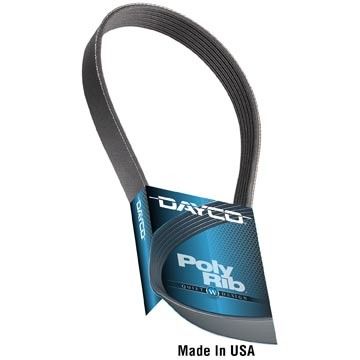
Dayco is another major manufacturer that produces reliable aftermarket belts. While sometimes considered a more budget-friendly option, their products are still dependable for daily use and meet industry standards.
Pro Tip: Replace More Than Just the Belt
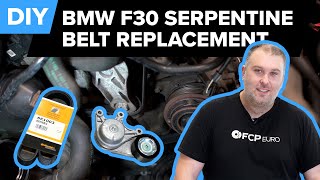
When replacing the serpentine belt, it is highly recommended to also replace the belt tensioner and any idler pulleys at the same time. The tensioner is a spring-loaded part that keeps the belt tight, and it wears out over time. A weak tensioner can cause a new belt to fail prematurely. Buying a kit that includes the belt, tensioner, and pulley(s) is a cost-effective way to ensure the entire system is refreshed.
🎬 See how to replace both the belt and tensioner.Cost of Replacing a Serpentine Belt on a 2012-2018 BMW 320i
| Item | Estimated Cost |
|---|---|
| New Aftermarket Serpentine Belt (Part Only) | $25.77 - $44.60 |
| New OEM Serpentine Belt (Part Only) | $30 - $50 |
| Shop Labor | $146 - $215 |
| Total Professional Replacement | $173 - $244 |
Frequently Asked Questions (FAQ)
How often should I replace the serpentine belt?
The general recommendation is to inspect the belt at 60,000 miles and replace it between 60,000 and 100,000 miles, or if you see any signs of wear like cracking or fraying. Given the risk of engine damage from a failed belt on the N20 engine, being proactive is wise.
Is this a difficult DIY job?
For a moderately experienced DIYer, replacing the serpentine belt and tensioner is a very manageable job. It requires basic hand tools, including a 16mm socket to release the tensioner and an E10 Torx socket to unbolt it. The job typically takes about an hour.
🎬 Watch: Step-by-step serpentine belt replacement guide for your BMW.What else should I check when replacing the belt?
As mentioned, check for oil leaks from the oil filter housing gasket. Also, spin all the pulleys by hand (with the belt off). They should spin smoothly and quietly. If a pulley feels rough or makes noise, it should be replaced.
Are there any recalls for the serpentine belt on the 2012-2018 BMW 320i?
There are no specific recalls found for the serpentine belt itself on these models. However, there was a service action (not a recall) for some models related to the belt pulley on the power steering pump, but this may not apply to all vehicles.
Helpful Videos
Technical Specifications
OEM Part Numbers: 11287618848
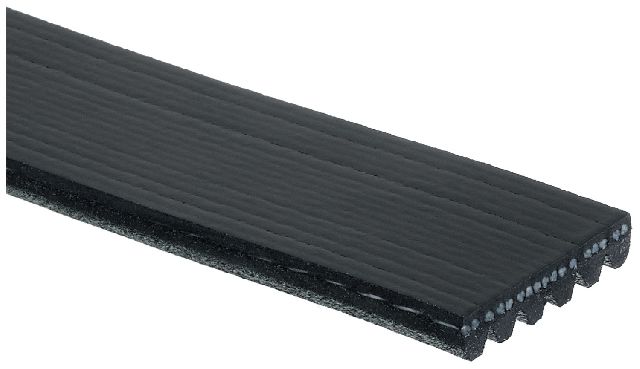
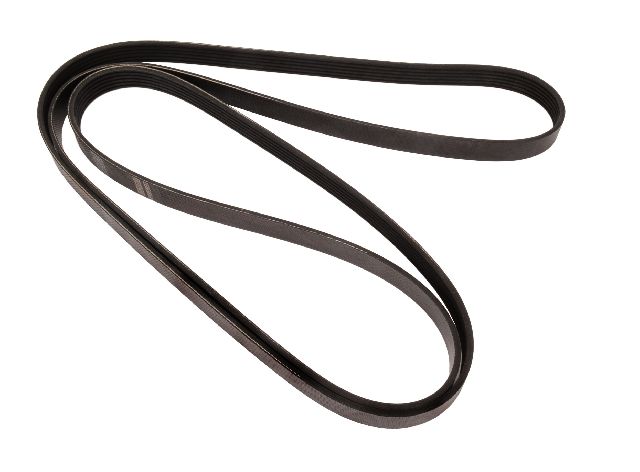
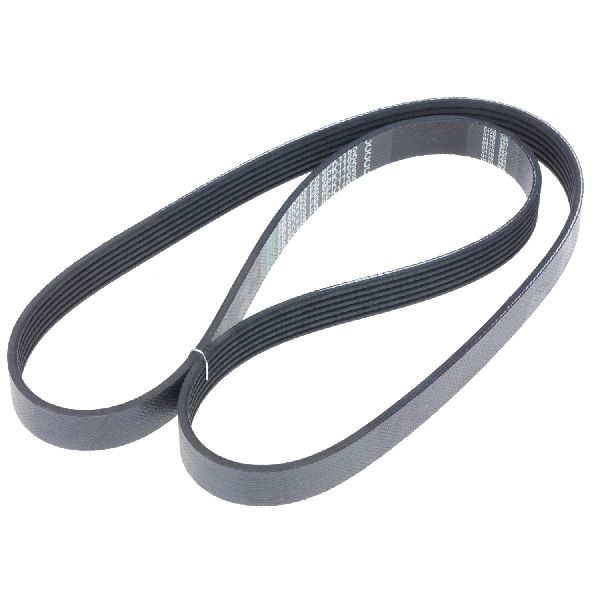
The belt for the N20 engine is typically a 6-rib belt with a length around 1003mm (6PK1003). Always verify the exact part number for your specific vehicle configuration.
We Have This Part in Stock

The information in this article is provided for general reference and educational purposes only. Vehicle specifications, procedures, and part compatibility can vary by production date, trim level, and region. Always consult your vehicle's factory service manual and verify part numbers before purchasing or performing repairs. Safety-critical components such as airbags, seat belts, and braking systems should be installed by a qualified professional.
- BMW 320i:
- 🎬 Helpful Videos
- 🛍️ Shop This Part
- Signs of a Failing Serpentine Belt
- A Critical Issue for N20 Engines: Belt Ingestion
- Choosing the Right Aftermarket Serpentine Belt
- Pro Tip: Replace More Than Just the Belt
- Cost of Replacing a Serpentine Belt on a 2012-2018 BMW 320i
- Frequently Asked Questions (FAQ)
- 🎟️ Get 5% Off