

BMW 650i (2012-2018) Engine Coolant Temperature Sensor Replacement Guide
Keep your N63 engine running correctly by understanding the signs of a failing coolant temperature sensor and how to choose the right replacement.
- A failing ECT sensor on a 650i can cause poor fuel economy, rough running, and potential overheating.
- The sensor is located on the front of the N63 engine, but access is tight and may require removing an auxiliary pump.
- For best results, choose an OEM supplier brand like Delphi or Vemo to ensure accurate readings and longevity.
- While a full coolant drain isn't always necessary for a quick swap, be prepared for minor spillage and work on a cold engine.
Is Your BMW 650i's Coolant Sensor Failing?
A faulty Engine Coolant Temperature (ECT) sensor can cause more than just an incorrect temperature reading on your dash. Because the sensor's data is crucial for so many engine functions, a bad sensor can lead to noticeable performance problems. If the sensor sends a false "cold" signal, the engine may run rich, leading to poor fuel economy and black smoke from the exhaust. Conversely, a false "hot" signal can cause hard starting or trigger the cooling fans to run constantly. In either case, you will likely see a Check Engine Light on your dashboard.
Known Issues & Recalls
While there are no specific recalls for the Engine Coolant Temperature Sensor itself on the 2012-2018 BMW 650i, there have been recalls for related cooling system components. Notably, recalls were issued for auxiliary water pumps that could fail and pose a fire risk on some 2012 models. Another recall for various 2012-2018 BMWs, including the 6-series platform, involves the main water pump's electrical connector, which could short circuit. While not directly the sensor, these issues highlight the importance of a properly functioning cooling system. A TSB for the N63 engine also notes that coolant can leak past the map thermostat's electrical connector, potentially contaminating wiring harnesses and causing various faults.
Choosing the Right Aftermarket Sensor
When replacing the ECT sensor, you have a choice between Genuine BMW parts and a wide range of aftermarket options. For a critical electronic sensor like this, quality matters.
- OEM Supplier Brands: Brands like Delphi and Vemo are often original equipment manufacturers for BMW and other German automakers. Choosing one of these brands typically ensures a precise fit and reliable performance that is very close to the original part without the dealership price tag. Delphi sensors are noted for their robust, single-piece designs that eliminate common failure points.
- Reputable Aftermarket Brands: Companies such as Beck Arnley, Standard Ignition (SMP), and NGK have a long-standing reputation for producing quality replacement parts. They are a solid choice for a balance of price and reliability.
- Value-Oriented Brands: Brands like URO Parts offer a more budget-friendly option. While suitable for less critical components, forum discussions suggest that for sensitive electronics, sticking with an OEM supplier or a top-tier aftermarket brand is often the safer bet to avoid premature failure or incorrect readings.
| Part Type | Estimated Cost |
|---|---|
| New Aftermarket | $19.03 - $68.69 |
| New OEM (BMW) | $50 - $90 |
| Shop Labor | $100 - $200 |
Pro Tip: Location & Installation
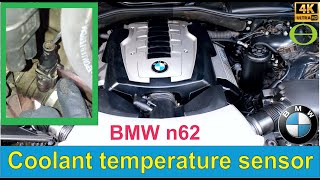
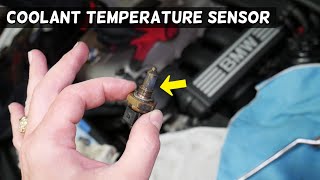
On the N63 engine in the 650i, the coolant temperature sensor is located near the front of the engine, to the left of the alternator. Access is tight. While some owners have managed to replace it without removing major components, it often requires removing the auxiliary water pump for the turbocharger coolers to gain access. The sensor itself 🎬 Watch this step-by-step N63 coolant sensor replacement guide. requires a 22mm deep socket or crowfoot wrench to remove. It is highly recommended to perform this job on a cold engine to avoid the risk of burns from hot coolant.
Frequently Asked Questions (FAQ)
Where is the engine coolant temperature sensor located on the 2012-2018 BMW 650i?
The sensor is located on the front of the N63 engine, typically down and to the left of the alternator. It is screwed into a coolant passage. 🎬 See a demonstration of the sensor location and function. Access can be difficult due to the tight packaging of the twin-turbo V8.
Can a bad coolant temperature sensor cause my 650i to overheat?
Yes, indirectly. If the sensor fails to report a high temperature to the DME, the electric radiator fans may not turn on when needed, which can lead to overheating, especially in traffic or hot weather.
Do I need to drain the coolant to replace the sensor?
While the official BMW procedure recommends draining the coolant, many mechanics and DIYers replace it without a full drain. If the engine is cold and the system is not pressurized, you will only lose a small amount of coolant when you quickly swap the old sensor for the new one. Have a drip pan ready to catch any spillage.
What are the common fault codes for a bad ECT sensor?
Common diagnostic trouble codes (DTCs) include P0117 (Engine Coolant Temperature Sensor 1 Circuit Low) and P0118 (Engine Coolant Temperature Sensor 1 Circuit High). P0117 often points to a short or a bad sensor, while P0118 can indicate an unplugged sensor or an open circuit.
Helpful Videos

Technical Specifications
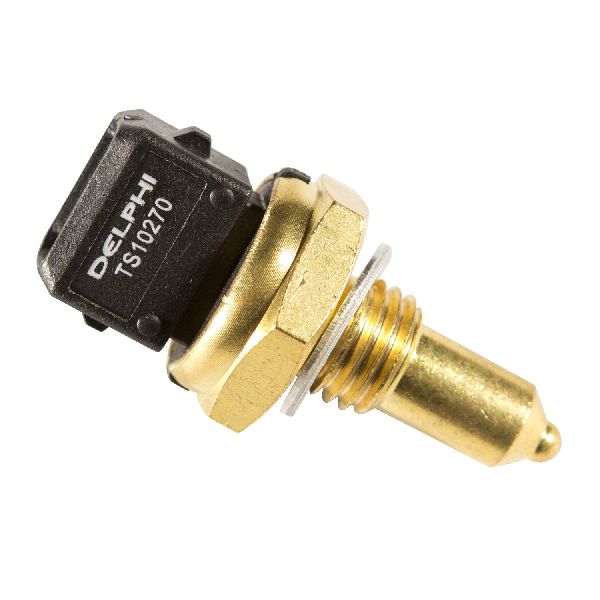
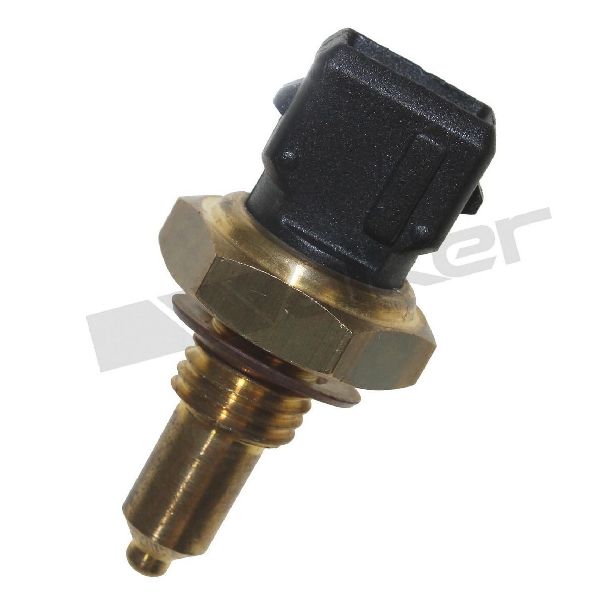
OEM Part Numbers: 13621433076
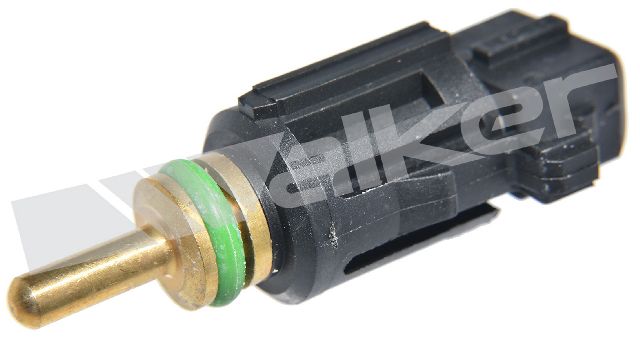
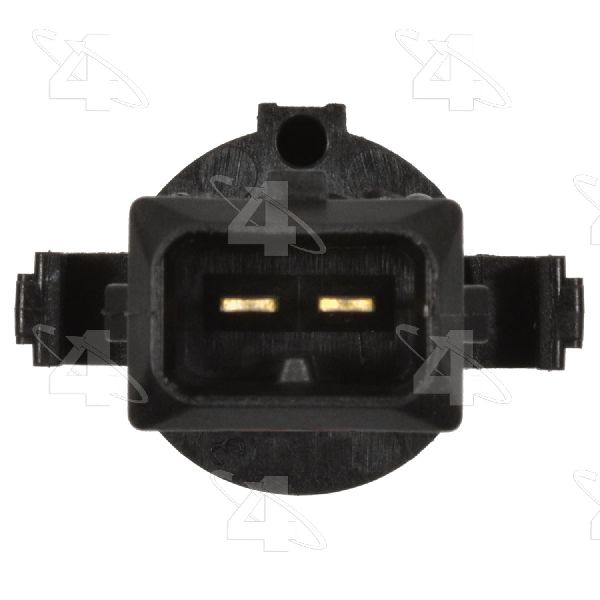
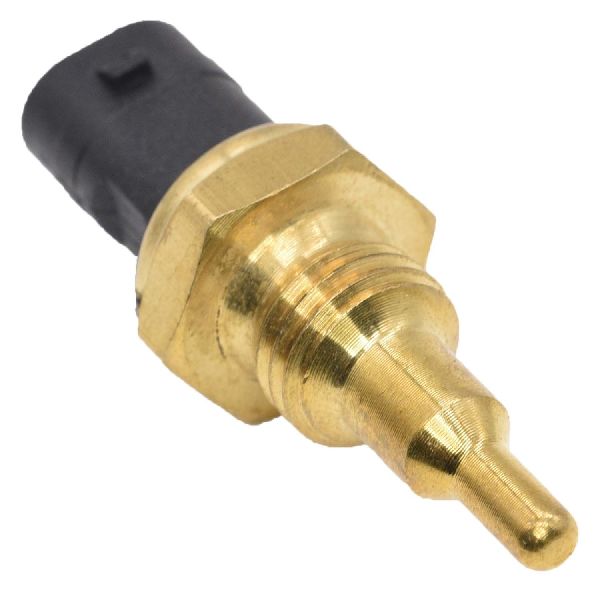
Two-pin electrical connector, 22mm hex size.
We Have This Part in Stock


The information in this article is provided for general reference and educational purposes only. Vehicle specifications, procedures, and part compatibility can vary by production date, trim level, and region. Always consult your vehicle's factory service manual and verify part numbers before purchasing or performing repairs. Safety-critical components such as airbags, seat belts, and braking systems should be installed by a qualified professional.
- BMW 650i: