

Engine Coolant Temperature Sensor for the 2012-2018 Ford Focus
Understand the symptoms of a failing coolant temperature sensor and how to choose the right aftermarket replacement for your Focus.
- A faulty ECT sensor can cause significant driveability issues, including poor fuel economy, rough idling, and overheating.
- Common fault codes are P0117 and P0118, which point to a circuit problem with the sensor.
- Replacement is feasible for a DIYer, with the main challenge being access to the sensor on the back of the engine.
- Quality aftermarket brands like Delphi or NGK offer a reliable, cost-effective alternative to the more expensive OEM Motorcraft part.
Symptoms of a Failing ECT Sensor
When the coolant temperature sensor in your Focus starts to fail, it can cause a variety of problems. The signals it sends to the engine computer become unreliable, leading to poor engine performance. You might notice one or more of the following issues.
- Poor Fuel Economy: If the sensor incorrectly tells the computer the engine is cold, the computer will enrich the fuel mixture, causing you to use more gas.
- Rough Idling: An incorrect temperature reading can lead to an improper air-fuel mixture, causing the engine to idle roughly or shake.
- Engine Overheating or Inaccurate Gauge Readings: The sensor might cause the temperature gauge on your dashboard to behave erratically, showing the engine is hot when it's not, or worse, not indicating when the engine is actually overheating.
- Black Smoke from Exhaust: In some cases, a very rich fuel mixture caused by a bad sensor can result in black smoke coming from the tailpipe.
- Hard Starting: The engine may be difficult to start, especially when it's cold, if the computer is receiving incorrect temperature data.
Choosing the Right Aftermarket Sensor
For the 2012-2018 Ford Focus, you have a choice between the original equipment (OEM) Motorcraft part and several aftermarket brands. While OEM parts are a guaranteed fit and quality, reputable aftermarket brands can offer comparable performance at a better price. Aftermarket sensors are designed to meet or exceed OEM specifications.
Brand Tiers
- Premium Aftermarket (e.g., Delphi, NGK/NTK, Standard Motor Products): These brands are well-known for producing high-quality components that often rival OEM parts. Delphi, for instance, has over 100 years of OE experience. They are a reliable choice for a direct replacement.
- Standard Aftermarket (e.g., Calorstat, Facet, Four Seasons, Walker Products): These brands offer a good balance of quality and value. They are a popular choice for DIY repairs and independent shops.
- Value-Oriented (e.g., Global Parts, True Tech, Vemo): These brands provide a cost-effective solution. While they may not have the same long-standing reputation as premium brands, they can be a suitable option for budget-conscious repairs.
When replacing the sensor, it's a good idea to inspect the electrical connector for any corrosion or damage. Sometimes the problem lies with the connection, not the sensor itself. Also, applying a small amount of silicone paste to the new sensor's O-ring can help with installation and ensure a good seal.
🎬 See a step-by-step guide on replacing the coolant temperature sensor.Cost of Replacing the ECT Sensor
The cost can vary depending on the brand of the part and labor rates in your area. The part itself is relatively inexpensive.
| Part/Service | Estimated Cost |
|---|---|
| New OEM (Motorcraft) Part | $40 - $100+ |
| New Aftermarket Part | $10 - $165 |
| Shop Labor | $145 - $213 |
Frequently Asked Questions
Where is the ECT sensor located on a 2012-2018 Ford Focus?
The ECT sensor on the 2.0L engine is located on the back of the engine, near the cylinder head and thermostat housing. It can be difficult to access without removing the airbox.
Is this a difficult repair to do myself?
For a DIYer with some experience, this is a manageable job. The main challenge is the sensor's location. You will likely need to remove the air filter housing to get access. The sensor itself is held in by a clip and does not require special tools to remove, though needle-nose pliers can be helpful. The repair should take less than an hour.
🎬 Follow this fast and easy tutorial for a DIY replacement.Are there any recalls for the ECT sensor on my Ford Focus?
There are no direct recalls for the Engine Coolant Temperature Sensor itself. However, Ford did issue recall 17S09 for some Focus models to install a coolant level sensor system due to a separate issue that could cause the cylinder head to crack from overheating. There was also a recall (NHTSA 26V012) for some 2016-2018 models related to the engine block heater, which could crack and leak coolant, potentially causing a short circuit.
Should I buy an OEM Motorcraft sensor or is an aftermarket one okay?
For a simple component like an ECT sensor, a quality aftermarket part from a reputable brand like Delphi, NGK, or Standard is a perfectly acceptable and more affordable alternative to the OEM Motorcraft part. These brands manufacture parts to meet or exceed original specifications.
Helpful Videos
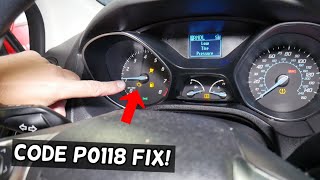
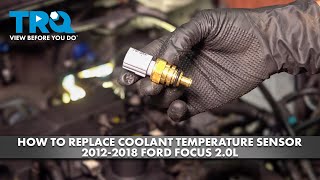

Technical Specifications
OEM Part Numbers: 1L2412A648BA 3L8Z-12A648-AA 8S4Z6G004A 7L5Z6G004A
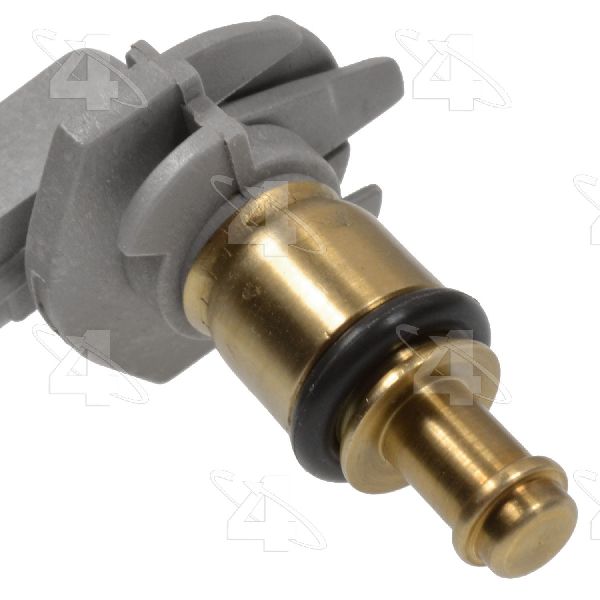
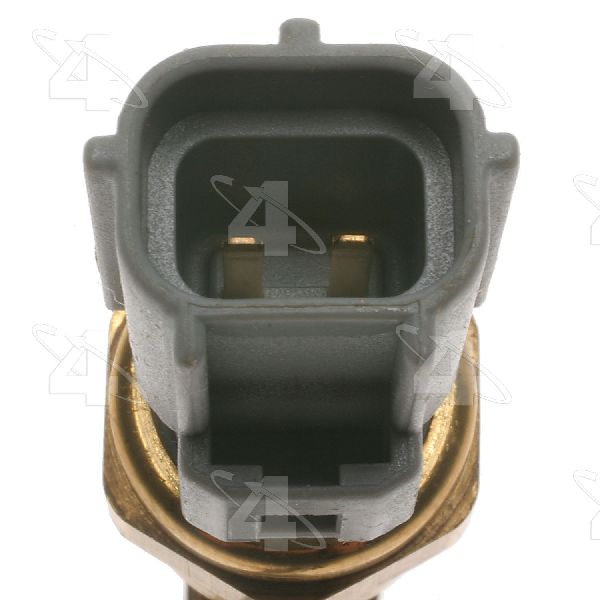
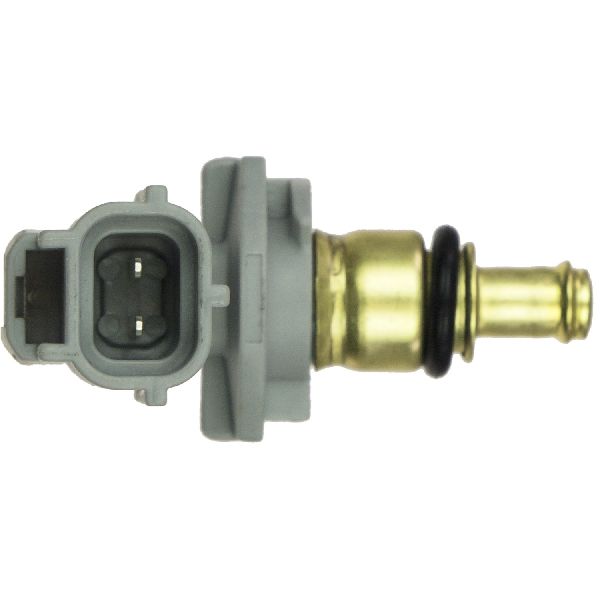
The sensor is typically made of brass and plastic, featuring a 2-pin connector. It is a thermistor-type sensor, meaning its resistance changes with temperature. It is held in place by a retaining clip, not threaded into the housing.
We Have This Part in Stock


The information in this article is provided for general reference and educational purposes only. Vehicle specifications, procedures, and part compatibility can vary by production date, trim level, and region. Always consult your vehicle's factory service manual and verify part numbers before purchasing or performing repairs. Safety-critical components such as airbags, seat belts, and braking systems should be installed by a qualified professional.
- Ford Focus: