

A Guide to the Fuel Pressure Sensor for the 2012-2018 Ford Focus
Solve stalling, hard starts, and poor performance by understanding and choosing the right fuel pressure sensor for your Focus.
- A failing fuel pressure sensor can cause serious drivability issues like stalling and hard starts.
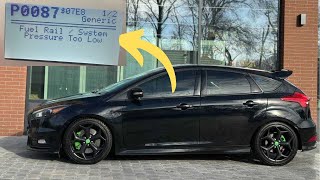
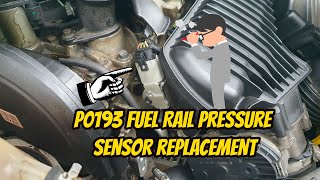
- Check for common trouble codes like P0190, P0087, or P0193 to help diagnose the problem.
- For this critical part, choosing a quality brand like Bosch (OEM) or a trusted aftermarket brand like Dorman or Standard Ignition is recommended.
- Due to a major recall (18S32), ensure your Focus has had the canister purge valve service performed, as its symptoms can mimic a bad fuel pressure sensor.
Symptoms of a Failing Fuel Pressure Sensor

When the fuel pressure sensor on your Focus starts to fail, it can cause a variety of noticeable problems. The sensor sends bad information to the car's computer, leading to the wrong amount of fuel being delivered to the engine. This can make your car difficult to drive.
Common Symptoms Include:
- Check Engine Light: This is often the first sign. You may see codes like P0190, P0191, P0193, or P0087.
- Difficulty Starting: The engine may take longer than usual to crank and start, or it might not start at all.
- Stalling: The engine may stall unexpectedly, especially at idle or low speeds. This can be a serious safety issue.
- Poor Performance: You might notice sluggish acceleration, hesitation, and a general loss of power.
- Rough Idle: The engine may shake or run unevenly when the car is stopped.
- Reduced Fuel Economy: If the sensor causes the engine to run rich (too much fuel), you'll see a drop in your gas mileage.
Known Issues for the 2012-2018 Ford Focus

While there isn't a direct recall for the fuel pressure sensor itself, there was a major recall (NHTSA ID: 18V735, Ford Recall: 18S32) for the canister purge valve on 2012-2018 Focus models. A faulty purge valve could cause a vacuum in the fuel tank, leading to stalling, inaccurate fuel gauge readings, and other fuel system problems that can sometimes be confused with a bad fuel pressure sensor. Additionally, Technical Service Bulletin (TSB) 18-2062 points to potential wiring harness chafing near the intake manifold, which could damage the fuel pressure sensor wiring and cause drivability issues.
Choosing the Right Aftermarket Sensor

For a critical part like a fuel pressure sensor on a direct injection engine, quality matters. A cheap, low-quality sensor can fail quickly or provide inaccurate readings, leading to the same problems you were trying to fix. Here’s a look at the available brands:
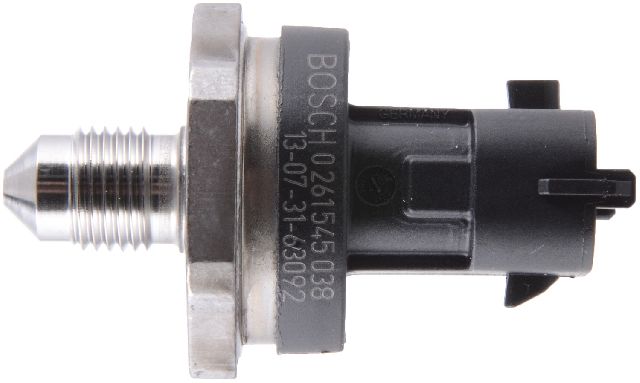
- Tier 1 (OEM Quality): Bosch is an original equipment manufacturer (OEM) for many Ford parts. Choosing a Bosch sensor is the closest you can get to the original part's performance and reliability. They are known for accurate measurements and long-term stability.
- Tier 2 (Reliable Aftermarket): Standard Ignition (SMP) and Dorman are well-known aftermarket brands. Dorman parts are designed to be direct replacements that match the fit and function of the original. Standard Ignition also offers a wide range of sensors that are generally considered reliable. These brands offer a good balance of price and quality.
- Tier 3 (Value-Oriented): Brands like Global Parts fall into the budget category. While the lower price is appealing, the long-term reliability and accuracy may not match the higher-tiered brands. For a part this critical to engine function, it's often worth spending a bit more for a proven brand.
Pro Tip: When dealing with fuel pressure codes like P0087 (Fuel Rail/System Pressure - Too Low), it's often recommended to replace the sensor first before suspecting the more expensive high-pressure fuel pump. A faulty sensor can incorrectly trigger a low-pressure code.
Cost Comparison Table
| Part Type | Estimated Cost |
|---|---|
| New OEM (Motorcraft) | $75 - $120 |
| New Aftermarket | $67 - $152 |
| Shop Labor | $60 - $90 |
Frequently Asked Questions (FAQ)

Where is the fuel pressure sensor located on the 2012-2018 Ford Focus?
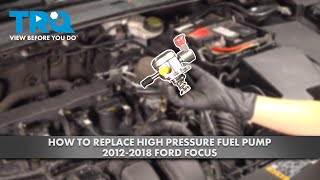
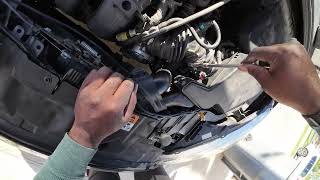
The 2.0L GDI engine has a high-pressure fuel pressure sensor located on the fuel rail, which is on the passenger side of the engine, somewhat underneath the intake manifold. It can be difficult to access without removing other components.
Can I replace the fuel pressure sensor myself?
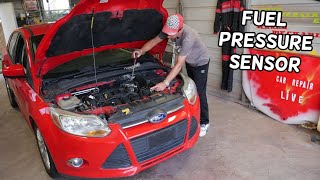
Yes, this is a DIY-feasible job for someone with moderate mechanical skill. However, it involves working with the fuel system, which is under high pressure. You must release the fuel pressure before starting and take proper safety precautions. The sensor is in a tight spot, so some disassembly of nearby components may be required.
Do I need special tools to replace the sensor?
You will need basic hand tools, including sockets and wrenches. A 24mm wrench or a special deep socket may be needed for the sensor itself. Because access is tight, some owners have found it necessary to remove the belt tensioner to get enough clearance.
Should I replace the high-pressure fuel pump at the same time?
Not necessarily. The sensor is a common failure point and is much cheaper and easier to replace than the high-pressure fuel pump (HPFP). It is standard diagnostic practice to rule out the sensor before condemning the pump. If a new sensor does not fix the issue, then further diagnosis of the pump and fuel system is needed.
Helpful Videos



Technical Specifications
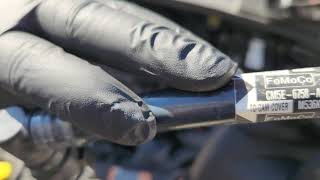
OEM Part Numbers: CM5229 CM5E-9F972-AA BU5A-9F972-A
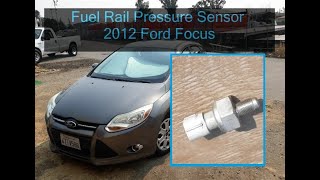
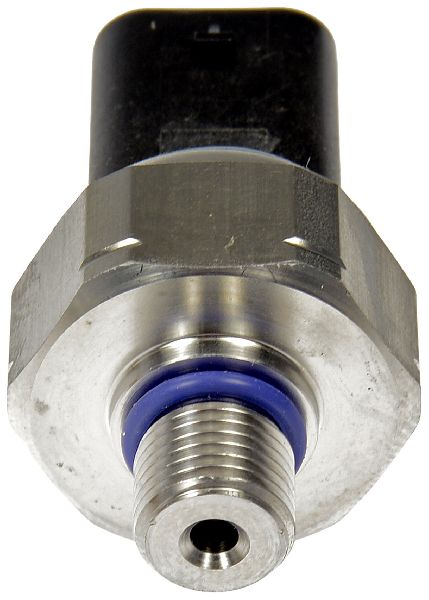
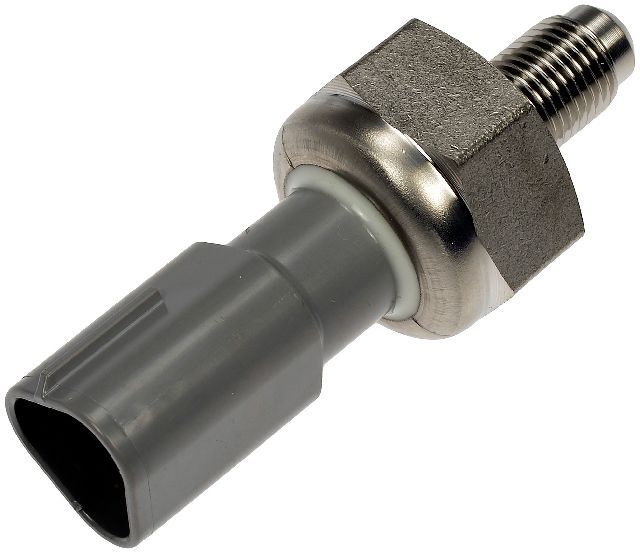
This sensor is located on the high-pressure fuel rail for the 2.0L GDI engine. It is a 3-pin sensor that monitors pressures that can exceed 2,000 PSI.
We Have This Part in Stock


The information in this article is provided for general reference and educational purposes only. Vehicle specifications, procedures, and part compatibility can vary by production date, trim level, and region. Always consult your vehicle's factory service manual and verify part numbers before purchasing or performing repairs. Safety-critical components such as airbags, seat belts, and braking systems should be installed by a qualified professional.
- Ford Focus: