

Ford Mustang Radiator Coolant Hose and Connector Guide (2012-2018)
Addressing the common coolant leak points on your S197 or S550 Mustang beyond just the hoses.
- The plastic T-connectors are a common failure point on 5.0L GT models; inspect and replace them with the hoses.
- A leak that appears only after the engine cools down is a strong indicator of a bad O-ring in a connector.
- Use the correct Motorcraft Yellow coolant (VC-13-G) or an equivalent OAT-based coolant to protect your engine.
- For a robust repair, consider replacing the upper hose, lower hose, and thermostat at the same time.
Symptoms of a Failing Radiator Hose

A bad radiator hose is a serious issue that can leave you stranded. If you notice any of these signs, inspect your cooling system immediately.
- Coolant Puddles: Brightly colored fluid (orange, yellow, or green) under the front of your car is the most obvious sign of a leak. These leaks often come from the hose connections.
- Low Coolant Level: Frequently having to top off the coolant in the overflow reservoir means you have a leak somewhere in the system.
- Visible Hose Damage: Check your hoses for cracks, splits, swelling, or soft/spongy spots. A bulging or overly soft hose is weak and could burst at any time.
- Engine Overheating: If your temperature gauge climbs into the red, it could be due to a lack of coolant from a leaking hose. Do not continue to drive an overheating car.
- Sweet Smell: The distinct, sweet smell of antifreeze is a tell-tale sign of a coolant leak, even if you can't see it.
Vehicle-Specific Issue: Plastic Connectors are the Weak Point
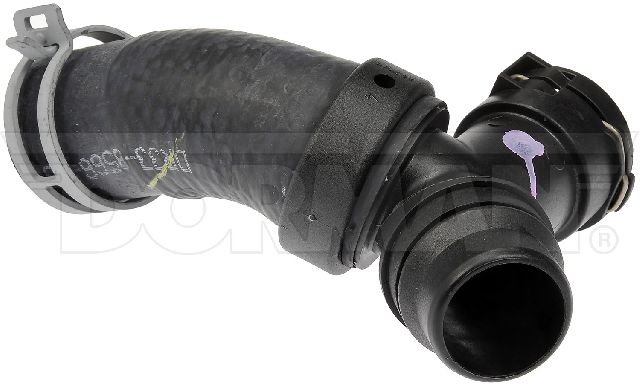
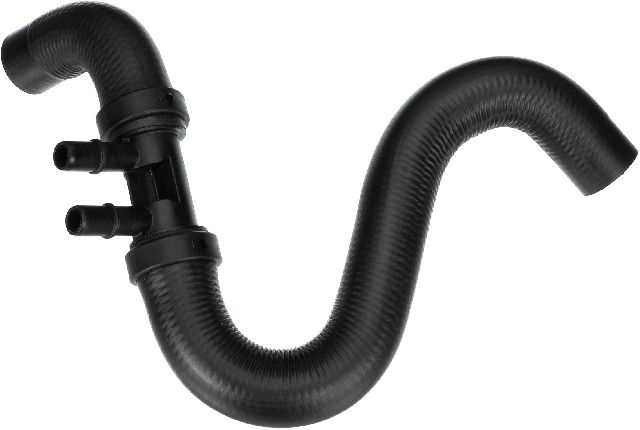
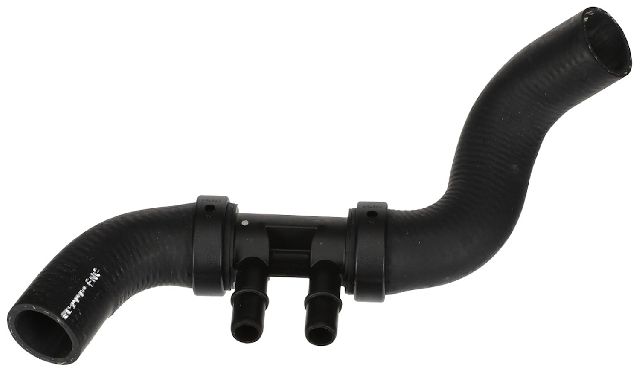
For 2012-2018 Ford Mustangs, especially GT models with the 5.0L engine, the most common source of coolant leaks isn't the rubber hose itself, but the plastic T-fittings or Y-pipes they connect to. These plastic parts can become brittle over time and crack. More frequently, the internal O-rings fail, causing a slow leak that is often more noticeable after the car has cooled down. If you have a leak in this area, replacing just the hose may not fix the problem. It is highly recommended to replace the plastic connector and its O-rings at the same time.
Choosing the Right Aftermarket Hose

When replacing your Mustang's radiator hoses, you have a choice between standard EPDM rubber replacements and performance-oriented silicone hoses. OEM quality is generally good, but the aftermarket offers strong alternatives, especially for addressing known weak points.
Tier 1: Performance Silicone Hoses (Mishimoto, HPS)
For enthusiasts who take their Mustang to the track or want maximum durability and a custom look, silicone hoses are the top choice. They offer superior heat and pressure tolerance compared to standard rubber.
Brands like Mishimoto and HPS are popular in the Mustang community. They are constructed with multiple layers of silicone and embedded heat-resistant fibers, making them far more durable than stock hoses. While they are the most expensive option, they provide peace of mind, especially for modified vehicles.
Tier 2: OE-Quality EPDM Rubber Hoses (Gates, Dayco, Continental)
For most daily drivers, a high-quality EPDM rubber hose is a reliable and cost-effective choice. These brands are well-known suppliers and offer products that meet or exceed OEM specifications.
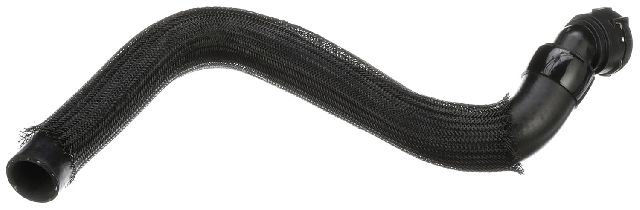
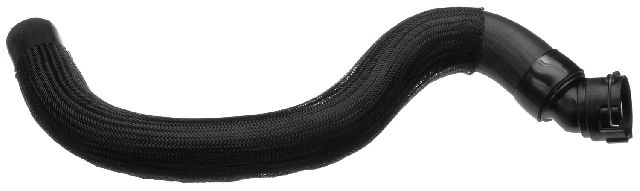
Gates: Often considered a top-tier aftermarket brand, Gates has a strong reputation for proper fitment and quality. Many professional mechanics and experienced DIYers prefer Gates for its reliability.
Dayco & Continental: These are also solid choices that provide good performance and value. While some users have noted occasional fitment issues with Dayco in other applications, their products are generally considered reliable.
Dorman: This brand is particularly noteworthy because they manufacture direct aftermarket replacements for the failure-prone plastic T-connectors. Pairing a Dorman connector with a new hose from Gates or Dayco can be a robust and economical repair.
Pro Tip: Replace More Than Just the Hose
To avoid doing the job twice, it's smart to replace related components while the cooling system is drained. This includes the other main radiator hose, the plastic T-connector, and the thermostat. Always use new hose clamps instead of reusing old ones.
Cost to Replace a Ford Mustang Radiator Hose
| Part Type | Typical Cost |
|---|---|
| New Aftermarket Hose Assembly | $52 - $129 |
| New OEM Hose Assembly | $80 - $180 |
| Shop Labor | $120 - $250 |
Frequently Asked Questions

Why is my Mustang leaking coolant only after it cools down?
This is a classic symptom of a failing O-ring in one of the plastic hose connectors. When the engine is hot, the plastic expands and seals the connection. As it cools, the plastic contracts, creating a small gap that allows coolant to seep out.
Do I need to replace the plastic T-connector with the hose?
It is highly recommended. The plastic connectors are a known failure point on these Mustangs. Replacing the hose without replacing the connector often leads to the same leak returning. Aftermarket replacements from brands like Dorman are available.
What type of coolant should I use in my 2012-2018 Mustang?
Your Mustang requires a specific Organic Acid Technology (OAT) coolant. Use Motorcraft Yellow Antifreeze/Coolant (VC-13-G), which is the updated fluid for the original Motorcraft Orange. Do not mix coolant types. If using concentrate, be sure to mix it 50/50 with distilled water, not tap water.
Is there a recall for the radiator hoses on my Mustang?
There are no active NHTSA recalls specifically for radiator coolant hoses on the 2012-2018 Ford Mustang. However, a Technical Service Bulletin (TSB 16-0074) was issued for some 2011-2014 3.7L V6 models for a coolant pump leak that also involves replacing a specific hose.
Helpful Videos
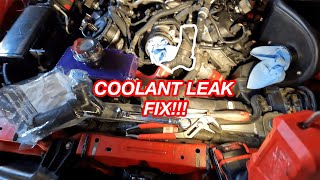

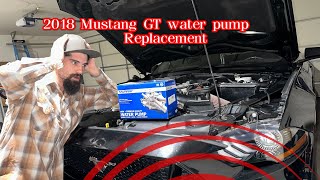
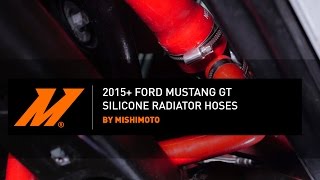

Technical Specifications
Required Coolant: Motorcraft Yellow Concentrated Antifreeze/Coolant (VC-13-G) or equivalent OAT coolant.
We Have This Part in Stock
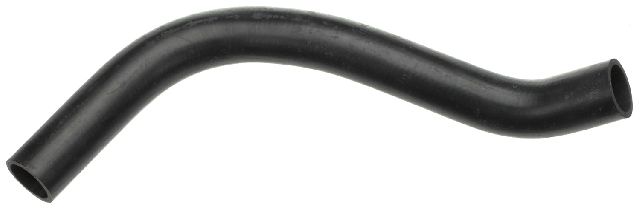

The information in this article is provided for general reference and educational purposes only. Vehicle specifications, procedures, and part compatibility can vary by production date, trim level, and region. Always consult your vehicle's factory service manual and verify part numbers before purchasing or performing repairs. Safety-critical components such as airbags, seat belts, and braking systems should be installed by a qualified professional.
- Ford Mustang:
- 🎬 Helpful Videos
- 🛍️ Shop This Part
- Symptoms of a Failing Radiator Hose
- Vehicle-Specific Issue: Plastic Connectors are the Weak Point
- Choosing the Right Aftermarket Hose
- Tier 1: Performance Silicone Hoses (Mishimoto, HPS)
- Tier 2: OE-Quality EPDM Rubber Hoses (Gates, Dayco, Continental)
- Pro Tip: Replace More Than Just the Hose
- Cost to Replace a Ford Mustang Radiator Hose
- Frequently Asked Questions
- 🎟️ Get 5% Off