

A/C Condenser Replacement Guide for the 2012-2018 Honda Odyssey
Is your Odyssey's A/C blowing warm? Here’s what you need to know before replacing your A/C condenser.
- The most common failure is a leak from road debris damage, causing warm air from the vents.
- Replacement is a moderate DIY job but REQUIRES professional equipment to evacuate and recharge the refrigerant.
- Always replace the receiver/drier (desiccant bag) and O-rings when installing a new condenser.
- While no specific recall exists for the Odyssey, faulty A/C condensers are a known issue on other Hondas of this era.
Symptoms of a Failing A/C Condenser in a Honda Odyssey

When the A/C condenser starts to fail on your Odyssey, the signs are usually related to poor cooling performance. Here’s what to look for:
- Warm Air from Vents: This is the most common symptom. The air from your vents will not be cold, or may only be slightly cool.
- A/C Cools on the Highway, but is Warm at Idle: If your A/C works fine while driving at speed but gets warm in stop-and-go traffic or at a stoplight, it often points to a problem with the condenser or its cooling fan not getting enough airflow.
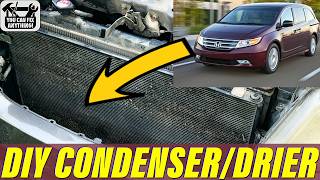
- Visible Damage or Leaks: Because it sits at the front, the condenser is vulnerable to rocks and road debris. You may see bent or broken cooling fins. An oily residue on the surface of the condenser is a clear sign of a refrigerant leak.
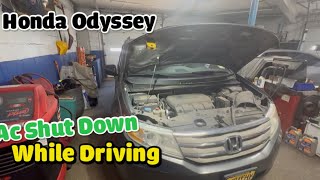
- A/C System Shuts Down: A large leak will cause the refrigerant level to drop. A pressure switch in the system will then prevent the A/C compressor from turning on to protect it from damage, causing the A/C to be completely inoperative.
Known Issues for Honda A/C Systems
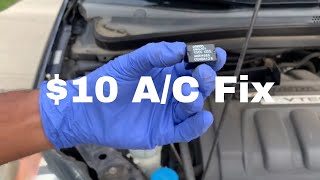
While there are no official recalls or warranty extensions specifically for the 2012-2018 Odyssey A/C condenser, Honda has extended warranties for other models from the same era (like the Civic and Accord) due to condensers that were prone to leaking from corrosion. Owners of this Odyssey generation have also reported various A/C issues, often stemming from leaks. Before assuming the condenser is bad, it's wise to have a technician check for simpler issues like a faulty A/C compressor relay, which is a common and inexpensive failure point on many Hondas.
Choosing the Right Aftermarket A/C Condenser

When shopping for a new aftermarket condenser, you'll find several brands available. They generally fall into different quality tiers. For a component that holds high-pressure refrigerant, choosing a quality part is important to avoid having to do the job twice.
Tier 1: Premium Aftermarket (Near-OEM Quality)
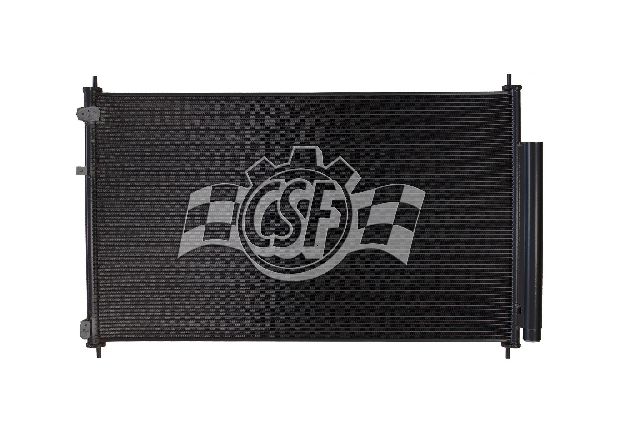
- CSF Radiator & Koyorad: Both brands have a strong reputation in the automotive cooling industry for making high-quality radiators and condensers that fit and perform correctly. They are often considered a step up from standard parts-store brands.
Tier 2: Quality Standard Aftermarket
- Spectra Premium: Spectra is a well-regarded brand that provides a good balance of quality, reliability, and price. Their parts are widely available and are a popular choice for daily drivers.
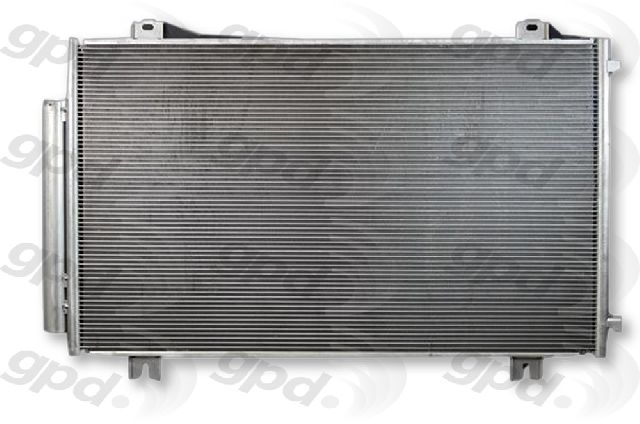
- Global Parts (gpd): GPD is another established aftermarket supplier that aims to produce parts that meet or exceed original equipment specifications.
Tier 3: Economy Options
- APDI & One Stop Solutions: These brands offer a budget-friendly solution. While they can perform adequately, be aware that lower-cost parts sometimes have minor fitment issues, such as being slightly bent out of the box, which may require minor adjustments during installation.
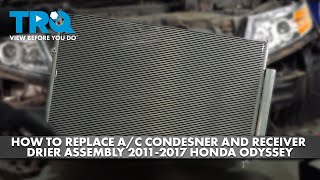
Pro Tip: All aftermarket condensers for the 2012-2018 Odyssey should come with a new receiver/drier (also called a desiccant bag) integrated into the unit. It is critical to replace this component anytime the A/C system is opened to the atmosphere to remove moisture.
A/C Condenser Replacement Cost for 2012-2018 Honda Odyssey
The total cost depends on whether you do the work yourself or hire a professional. Remember, even for DIY, you will need a shop to evacuate and recharge the refrigerant.
| Part/Service | Estimated Cost |
|---|---|
| New Aftermarket Condenser | $116 - $160 |
| New OEM Condenser | $350 - $400 |
| Shop Labor | $205 - $301 |
| Total Professional Replacement (Aftermarket Part) | $321 - $461 |
| Total Professional Replacement (OEM Part) | $555 - $701 |
Frequently Asked Questions (FAQ)

Can I replace the A/C condenser myself?
This is a moderately difficult job. You will need to remove the front bumper cover to access the condenser. The biggest challenge is that you cannot legally or safely release refrigerant into the air. You MUST have a professional shop use a special machine to evacuate the system before you start and to vacuum test and recharge it after you are done.
What else should I replace with the condenser?
You must replace the receiver/drier (desiccant bag), which should be included with your new condenser. It is also critical to replace the small rubber O-rings at the A/C line connections to ensure a leak-free seal. Lubricate the new O-rings with the correct A/C oil (PAG 46) before installation.
What kind of refrigerant does the 2012-2018 Odyssey use?
The 2012-2017 Honda Odyssey uses R-134a refrigerant. The 2018 model year was a transition year; early 2018 models may use R-134a, while later models use R-1234yf. It is critical to verify which refrigerant your specific vehicle uses by checking the sticker under the hood. The two types are not compatible.
My A/C is just dirty. Can I clean the condenser?
Yes. If your condenser is clogged with bugs, leaves, and dirt, cleaning it can restore cooling performance, especially at idle. You can use a garden hose with a gentle spray nozzle or a dedicated coil cleaner. Be very careful not to bend the delicate aluminum fins.
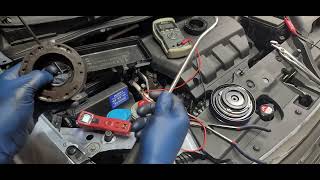
Helpful Videos
Technical Specifications
OEM Part Numbers: 80110-TK8-A11 80100-THR-A01
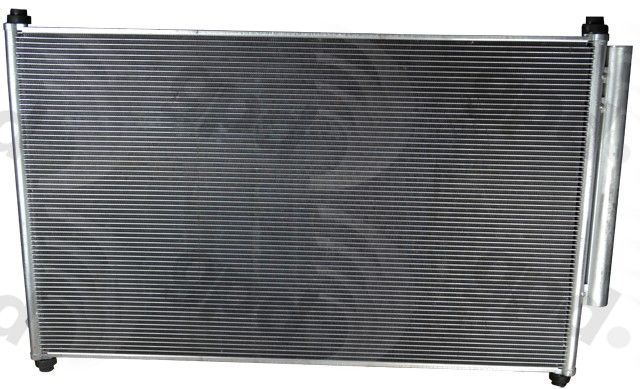
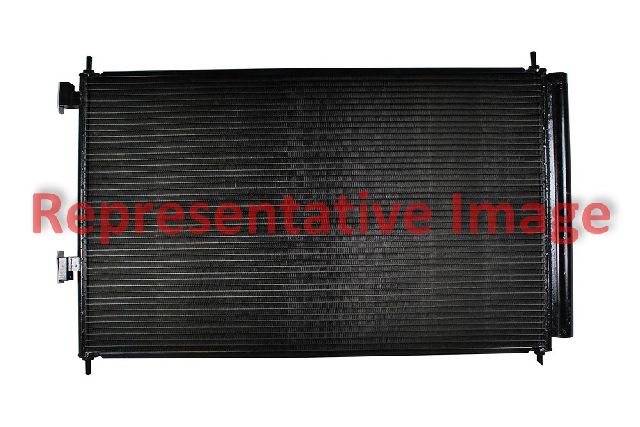
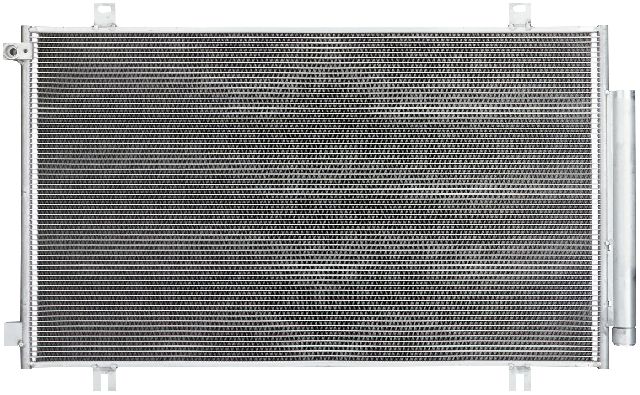
The condenser for the 2012-2018 Honda Odyssey is a parallel flow design and includes an integrated receiver/drier. Materials are aluminum. Dimensions are approximately 29.5 inches in width by 17.95 inches in height.
We Have This Part in Stock


The information in this article is provided for general reference and educational purposes only. Vehicle specifications, procedures, and part compatibility can vary by production date, trim level, and region. Always consult your vehicle's factory service manual and verify part numbers before purchasing or performing repairs. Safety-critical components such as airbags, seat belts, and braking systems should be installed by a qualified professional.
- Honda Odyssey: