

Ignition Knock Sensor Guide for 2012-2018 Jeep Wrangler JK
Understand the symptoms of a bad knock sensor and learn how to choose the right replacement for your 3.6L Pentastar engine.
- A bad knock sensor will trigger a Check Engine Light (often code P0325) and cause reduced engine power.
- The two knock sensors are located under the intake manifold, making replacement a difficult, 2-3 hour job.
- It is highly recommended to replace both sensors and the wiring harness at the same time due to the high labor cost.
- Choose a quality aftermarket brand like Delphi or NGK for a reliable repair without the full OEM price.
Is a Bad Knock Sensor a Serious Problem?

A failing knock sensor can cause real issues for your Wrangler. When the sensor stops working, the engine's computer can no longer detect detonation. To protect the engine, the computer will often switch to a "safe mode," which reduces engine power and performance. While you can drive the vehicle, it's not recommended for long periods. Ignoring the problem could lead to poor fuel economy, sluggish acceleration, and in a worst-case scenario, internal engine damage if real engine knock goes undetected.
Symptoms of a Failing Knock Sensor on a Jeep Wrangler

- Check Engine Light: This is the most common sign. You will likely see a Diagnostic Trouble Code (DTC) like P0325 (Knock Sensor 1 Circuit Malfunction). 🎬 Watch: How to diagnose and fix the P0325 code
- Reduced Engine Power: The Jeep may feel sluggish or slow to accelerate as the computer limits performance to prevent damage.
- Poor Fuel Economy: With the engine not running efficiently, you'll notice you're filling up the tank more often.
- Engine Pinging or Knocking: In some cases, you might hear a metallic pinging or knocking sound, especially during acceleration. This is the detonation that the sensor is supposed to detect.
Choosing the Right Aftermarket Knock Sensor

When replacing the knock sensors on your Wrangler, you have a choice between OEM (Mopar) and various aftermarket brands. Because replacing them is a labor-intensive job, it's wise to choose a quality part to avoid doing the job twice.
OEM (Mopar): This is the original part your Jeep came with. It offers guaranteed fit and quality but comes at the highest price.
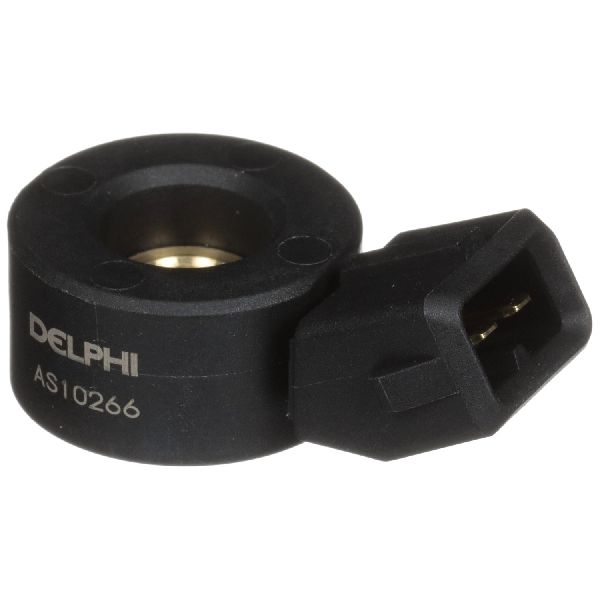
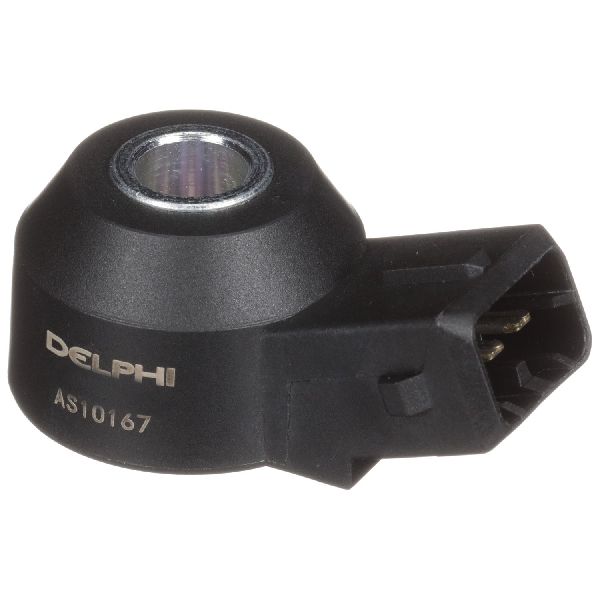
Premium Aftermarket (Delphi, NGK/NTK): Brands like Delphi and NGK (also known as NTK for sensors) are often original equipment suppliers to many car manufacturers. They are known for their high quality, which is often equal to OEM parts but at a better price. They are an excellent choice for a reliable, long-lasting repair.
Quality Aftermarket (Standard Ignition, Dorman, Walker): These brands offer a good balance of quality and price. Dorman is known for sometimes re-engineering parts to fix original flaws. Standard Ignition (SMP) is a long-standing, reputable brand. These are solid choices for most owners.
Jeep-Specific & Budget Brands (Crown Automotive, Holstein): Crown Automotive specializes in Jeep parts and can be a good budget-friendly option that fits correctly. Other brands like Holstein, Global Parts, and Motorad are typically value-focused. While they are the most affordable, their long-term durability can be a mixed bag compared to premium brands.
Pro Tip: Replace in Pairs
Your 3.6L Wrangler has two knock sensors. Since getting to them requires removing the upper and lower intake manifolds, it is highly recommended to replace both sensors at the same time, along with the wiring harness if it shows any signs of corrosion or damage. This will save you from having to do the same labor-intensive job again if the second sensor fails soon after the first.
Cost to Replace a Jeep Wrangler Knock Sensor
| Part Type | Estimated Cost |
|---|---|
| New OEM (Mopar) | $160 - $210 |
| New Aftermarket | $19 - $173 |
| Shop Labor | $250 - $400 |
Frequently Asked Questions

Where are the knock sensors located on a 2012-2018 Jeep Wrangler?
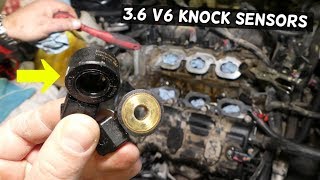
On the 3.6L Pentastar V6 engine, the two knock sensors are located on the engine block, deep in the valley underneath the lower intake manifold and the oil cooler assembly. This location protects them but makes replacement a significant job.
Can I replace the knock sensors myself?
This is a difficult job for a beginner. It requires removing the upper and lower intake manifolds to access the sensors. If you are an experienced DIY mechanic comfortable with this level of engine work, it is feasible. Otherwise, it's best left to a professional. 🎬 See this step-by-step 3.6L knock sensor replacement walkthrough The estimated time for a shop is 2-3 hours.
Are there any recalls for the Jeep Wrangler knock sensor?
There are no specific recalls for the knock sensor itself on 2012-2018 Jeep Wranglers. However, it's always a good idea to check for any open recalls on your vehicle using your VIN on the NHTSA website.
What is TSB 09-012-22 and does it relate to the knock sensor?
Technical Service Bulletin (TSB) 09-012-22 addresses a knocking or pinging noise from the engine upon acceleration. However, this issue is caused by oil intrusion through the PCV system creating carbon buildup, not a faulty knock sensor. The fix involves cleaning the piston heads and cylinder chambers. If you hear a knock but don't have a knock sensor code, this TSB might be relevant.
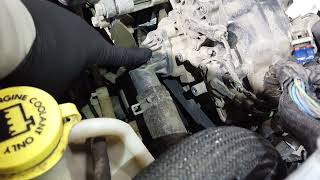
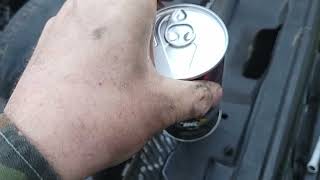
🎬 Watch: How to fix engine knocking noises on a JeepHelpful Videos
Technical Specifications
OEM Part Numbers: 68166540AA 5149199AA
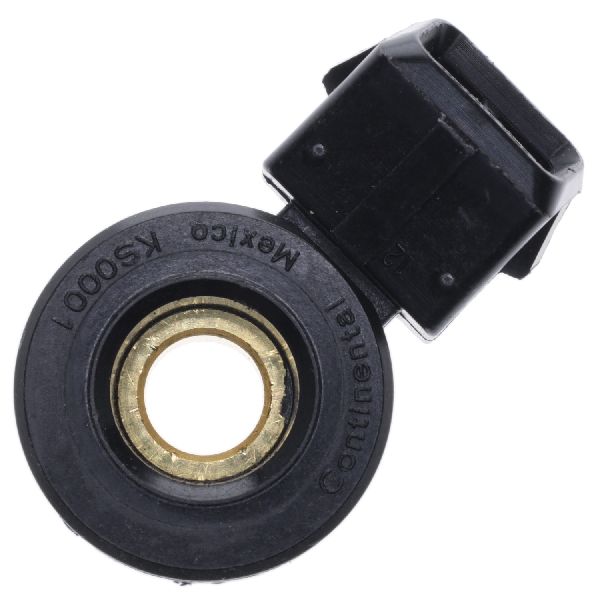
The 3.6L Pentastar V6 engine uses two knock sensors. They are bolted to the engine block in the valley under the intake manifold. The retaining bolt requires a T40 Torx bit.
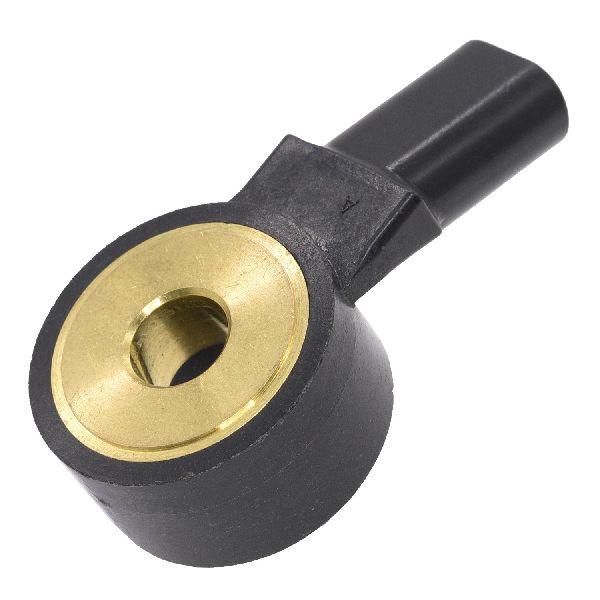
We Have This Part in Stock


The information in this article is provided for general reference and educational purposes only. Vehicle specifications, procedures, and part compatibility can vary by production date, trim level, and region. Always consult your vehicle's factory service manual and verify part numbers before purchasing or performing repairs. Safety-critical components such as airbags, seat belts, and braking systems should be installed by a qualified professional.
- Jeep Wrangler: