

A/C Compressor for the 2012-2018 Toyota Corolla: A Deep Dive
Is your Corolla's A/C blowing warm? Here's what you need to know before replacing your A/C compressor.
- Denso is the Original Equipment Manufacturer (OEM) for the 2012-2018 Corolla; choosing a new Denso part offers the highest quality.
- Always replace the receiver/drier and expansion valve with the compressor, and flush the system if the old one failed internally.
- A TSB was issued for 2014-2015 models for poor cooling at idle, which required a new compressor.
- Before condemning the compressor, check for simple fixes like a clogged cabin air filter or low refrigerant.
Signs of a Failing A/C Compressor in Your Corolla

When your Corolla's A/C compressor starts to fail, it will give you some clear warning signs. Paying attention to these can help you diagnose the problem before it leaves you sweating.
- Hot Air from Vents: This is the most obvious symptom. If the compressor can't pressurize the refrigerant, the system can't cool the air.
- Loud Noises: Grinding or squealing sounds when you turn on the A/C often point to failing internal bearings or a bad clutch. A seized compressor pulley can also cause a burning rubber smell.
- Leaking Fluid: The compressor has internal seals to keep refrigerant and oil contained. If you see a leak under your car near the front of the engine, it could be the compressor.
- Stuck A/C Clutch: The compressor's clutch engages to turn the unit on. If this clutch is stuck or won't engage, the compressor won't run. This can sometimes be a separate electrical issue.
Known Issues for 2012-2018 Toyota Corollas

While the 2012-2018 Corolla is a reliable car, it does have some documented A/C issues. Some owners have reported premature compressor failure. Additionally, Toyota issued a Technical Service Bulletin (TSB) for 2014-2015 models (T-SB-0086-14) that could exhibit intermittent cooling at idle, which required an updated A/C compressor to fix. There have been no major recalls specifically for the A/C compressor on these models, but some owners have experienced issues with a flow sensor circuit (DTC B1479) that leads to compressor replacement.
Pro Tip: Check the Simple Stuff First
Before assuming the compressor is bad, check two common culprits for poor A/C performance: a dirty cabin air filter and low refrigerant. A clogged filter can restrict airflow, making the A/C seem weak. Low refrigerant can also cause the system to blow warm air. These are much cheaper and easier fixes.
Choosing the Right Aftermarket A/C Compressor

When replacing your A/C compressor, you have a few options. The choice between OEM and aftermarket often comes down to cost versus quality and peace of mind.
OEM vs. Aftermarket Quality
For Toyota, the original equipment (OE) compressor is made by Denso. Choosing a new Denso compressor is the safest bet for factory-level quality, quiet operation, and longevity. Aftermarket brands offer a more budget-friendly alternative, but quality can vary. When a compressor fails internally, it can send metal debris throughout the A/C system. If this happens, you must replace the receiver/drier (or accumulator) and expansion valve, and flush the entire system. Many aftermarket compressor warranties require you to do this.
Brand Tiers for Your Corolla
- Tier 1 (OEM Quality): Denso is the original manufacturer for Toyota and offers the highest quality replacement. Valeo is another respected OEM supplier that produces high-quality compressors. These are your best but most expensive options.
- Tier 2 (Reputable Aftermarket): Four Seasons is a well-known aftermarket brand. While some users have reported issues with their remanufactured units, their new parts are generally considered a solid choice.
- Tier 3 (Value-Oriented): Global Parts Distributors (GPD) is a budget-friendly option. While they can be a good choice for those on a tight budget, be aware that longevity might not match the higher-tiered brands.
Cost Comparison for a 2012-2018 Corolla A/C Compressor Replacement

| Part/Service | Estimated Cost |
|---|---|
| New OEM (Denso) Part | $687 - $868 |
| New Aftermarket Part | $306 - $779 |
| Shop Labor | $241 - $354 |
| Total Professional Replacement | $928 - $1,221 |
Note: Costs are estimates and can vary based on location, specific vehicle condition, and the parts chosen. Total replacement cost often includes the compressor, receiver/drier, and system evacuation and recharge.
Frequently Asked Questions (FAQ)
Do I need to replace other parts with the compressor?
Yes. It is highly recommended to replace the receiver/drier or accumulator and the expansion valve anytime the A/C system is opened. If the old compressor failed internally, the entire system must be flushed to remove debris that could damage the new compressor. Not doing so will likely void the warranty on your new part.
Can I replace the A/C compressor myself?
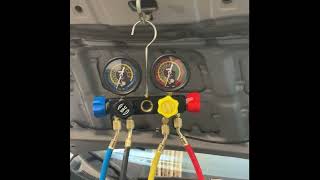
This is a job for an experienced DIYer. It requires specialized tools, including a manifold gauge set and a vacuum pump, to properly evacuate and recharge the refrigerant. The refrigerant must be legally recovered by a certified shop before you begin work. If you are not comfortable with this process, it is best left to a professional.
What is the difference between a new and a remanufactured compressor?
A new compressor is built with all-new components. A remanufactured compressor is a used OEM unit that has been disassembled, cleaned, inspected, and rebuilt with new seals, bearings, and other wear items. While remanufactured parts can be a good value, their quality can be inconsistent compared to new units.
My A/C is blowing warm at idle but gets cold when I drive. Is it the compressor?
It could be. For 2014-2015 Corollas, this was a known issue addressed by a TSB that required a new compressor. However, this symptom can also be caused by an inefficient cooling fan or low refrigerant levels, so a full system diagnosis is recommended.
Helpful Videos
Technical Specifications
OEM Part Numbers: 88310-02850 88310-02851 88320-0Z060 88320-0Z070
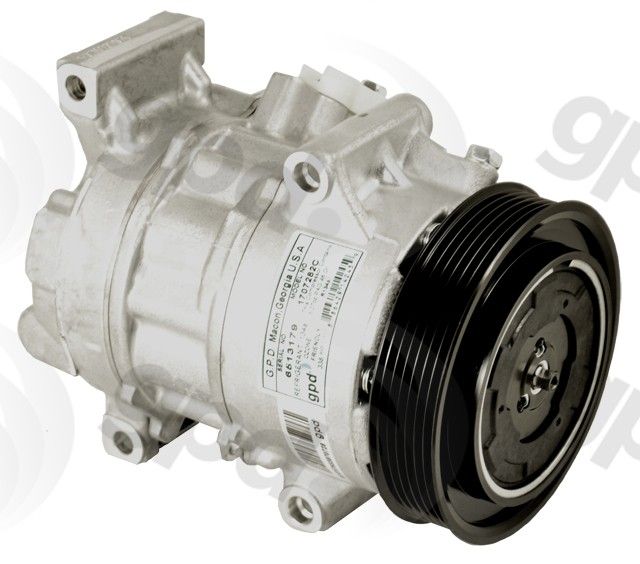
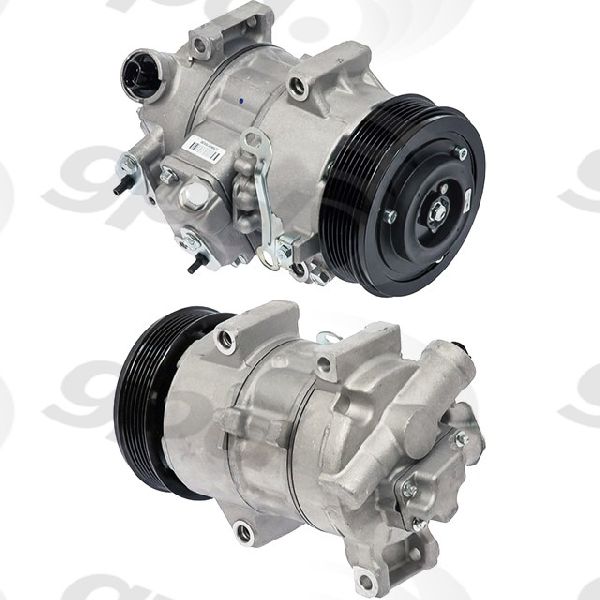
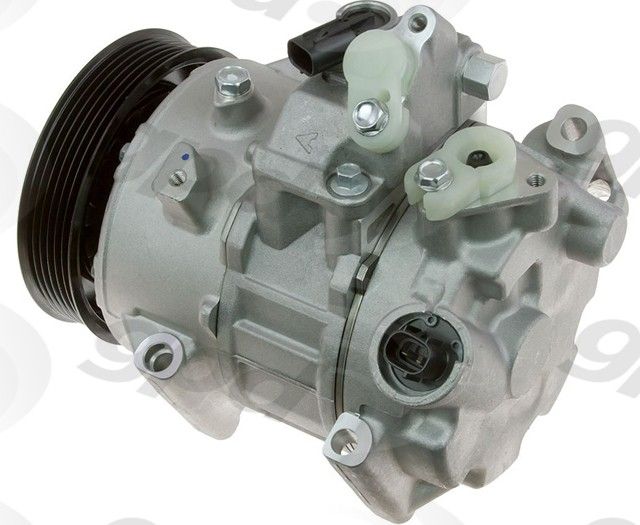
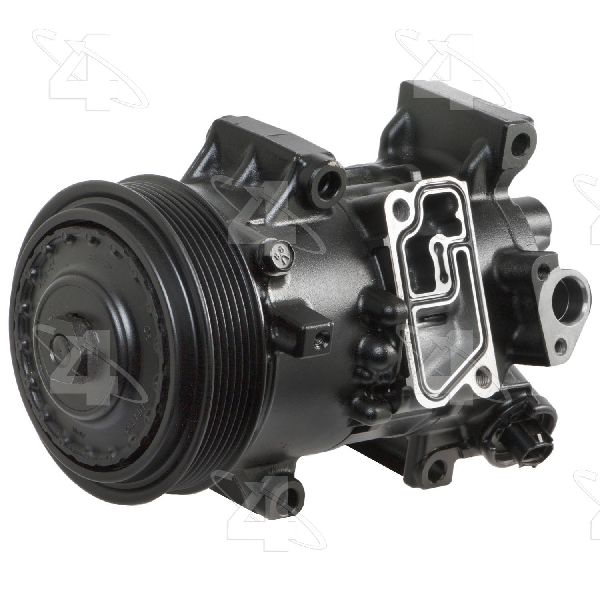
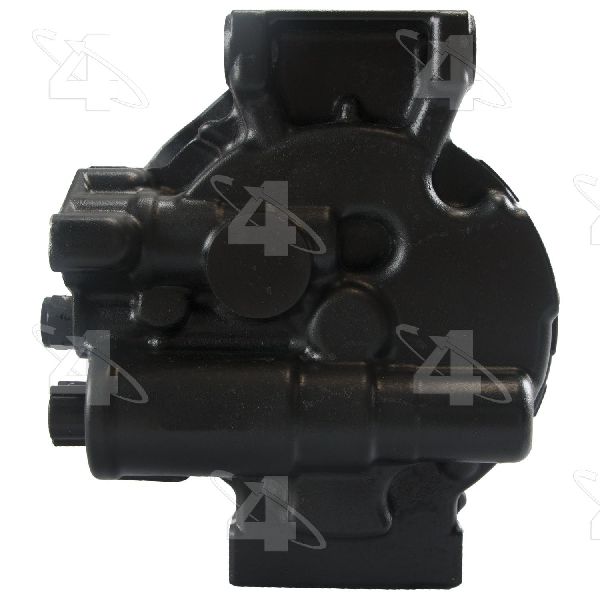
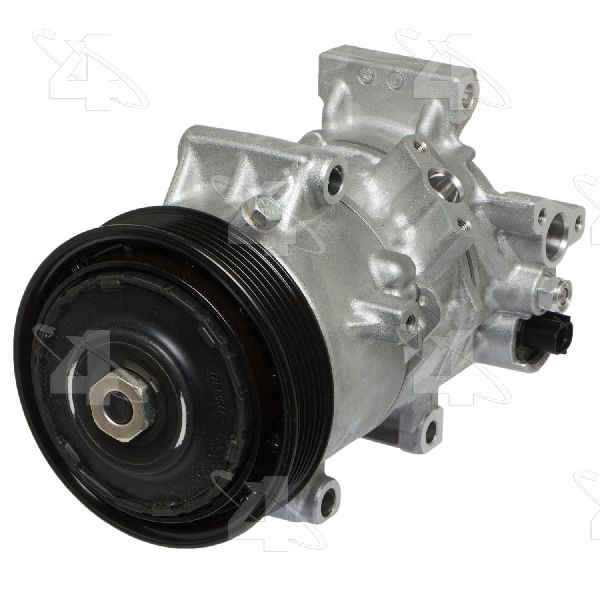
Fits 2012-2018 Toyota Corolla models. Uses a variable displacement compressor (6SEU14C type). Refrigerant type is R-134a. Always verify the specific part number for your vehicle's VIN.
We Have This Part in Stock

The information in this article is provided for general reference and educational purposes only. Vehicle specifications, procedures, and part compatibility can vary by production date, trim level, and region. Always consult your vehicle's factory service manual and verify part numbers before purchasing or performing repairs. Safety-critical components such as airbags, seat belts, and braking systems should be installed by a qualified professional.
- Toyota Corolla:
- 🎬 Helpful Videos
- 🛍️ Shop This Part
- Signs of a Failing A/C Compressor in Your Corolla
- Known Issues for 2012-2018 Toyota Corollas
- Pro Tip: Check the Simple Stuff First
- Choosing the Right Aftermarket A/C Compressor
- OEM vs. Aftermarket Quality
- Brand Tiers for Your Corolla
- Cost Comparison for a 2012-2018 Corolla A/C Compressor Replacement
- Frequently Asked Questions (FAQ)
- 🎟️ Get 5% Off