

Toyota Prius V Transaxle & Inverter Cooler Guide (2012-2018)
Understand the unique cooling system for your Prius V's hybrid transaxle and prevent costly overheating issues.
- The Prius V uses the inverter's cooling system, including a small radiator, to cool the transaxle fluid.
- Overheating issues are often related to the inverter cooling system (low coolant, bad pump) not the transaxle itself.
- Pay attention to hybrid system warning lights, as they are a critical indicator of overheating problems.
- Use only Toyota Super Long Life Coolant (Pink) for the inverter and Toyota ATF-WS fluid for the transaxle.
Understanding Your Prius V's Cooling System
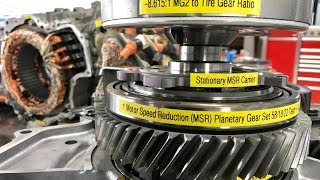
Your 2012-2018 Toyota Prius V has a sophisticated hybrid system. Unlike a regular car, it doesn't have a conventional automatic transmission that might need a large, air-cooled oil cooler. Instead, it uses an advanced e-CVT transaxle. 🎬 Watch a deep dive into the Prius transaxle system. The cooling for this system is linked to the hybrid inverter. The inverter, which manages power between the battery, engine, and electric motors, generates a lot of heat and has its own dedicated liquid cooling system, complete with a small radiator (inverter cooler) and an electric water pump. This same coolant is circulated through passages in the transaxle case to cool the transmission fluid (Toyota ATF-WS). Therefore, a problem with the inverter cooling system can lead to the transaxle overheating.
Symptoms of a Failing Cooler or Overheating Transaxle
An issue with the inverter cooler or the fluid inside can cause serious problems. If the system can't cool properly, the transaxle fluid can break down, leading to poor lubrication and damage to the sensitive internal components. Look out for these warning signs:
- Dashboard Warning Lights: A 'Check Hybrid System' message or other transmission temperature warnings are the most direct signs of a problem.
- Burning Smell: Overheated transmission fluid can create a distinct burning odor.
- Fluid Leaks: While the main cooler is for coolant, the transaxle itself can leak reddish-pink ATF-WS fluid if seals fail due to high heat.
- Unusual Noises: Whining or grinding sounds can indicate that internal parts are not being properly lubricated due to fluid breakdown from excessive heat.
- Reduced Power or Stalling: In response to overheating, the hybrid system may enter a 'limp mode' with reduced power or even shut down completely to prevent catastrophic damage.
Recalls and Technical Service Bulletins (TSBs)
While there are no specific recalls for the transmission oil cooler itself, several major recalls were issued for the 2012-2017 Prius V concerning the hybrid system inverter. These recalls (like NHTSA #18V684 and #20V369) address issues where the inverter could overheat, causing the vehicle to lose power or stall. The fix involves a software update and, if necessary, repair or replacement of the inverter. These recalls highlight the critical importance of the inverter's cooling system, which is directly tied to transaxle health.
Choosing the Right Aftermarket Part
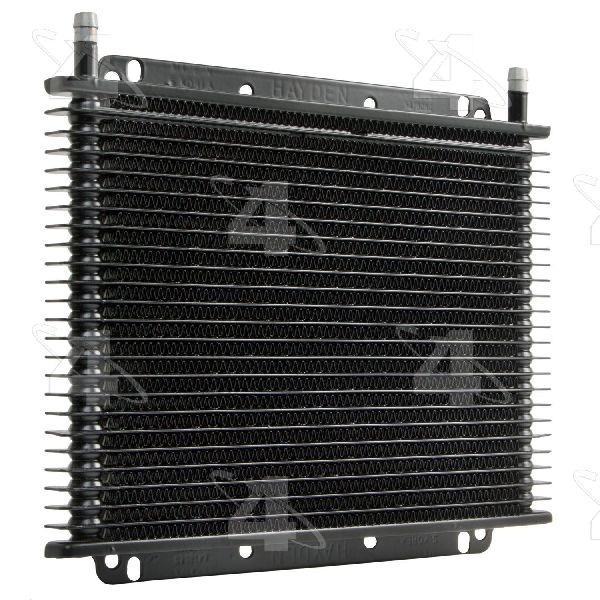
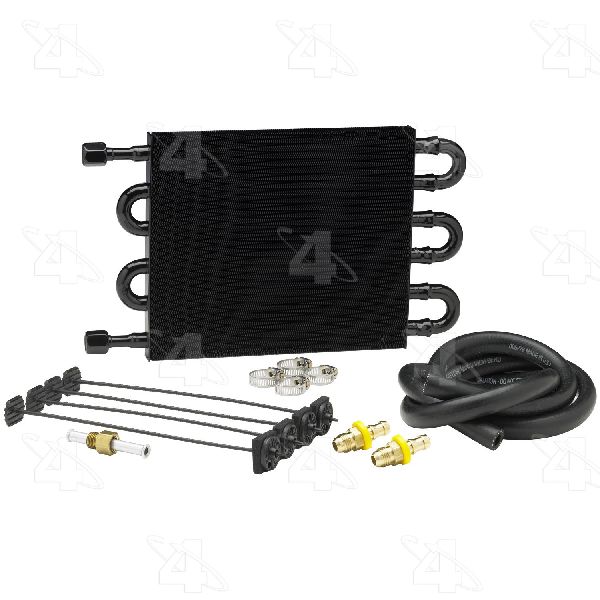
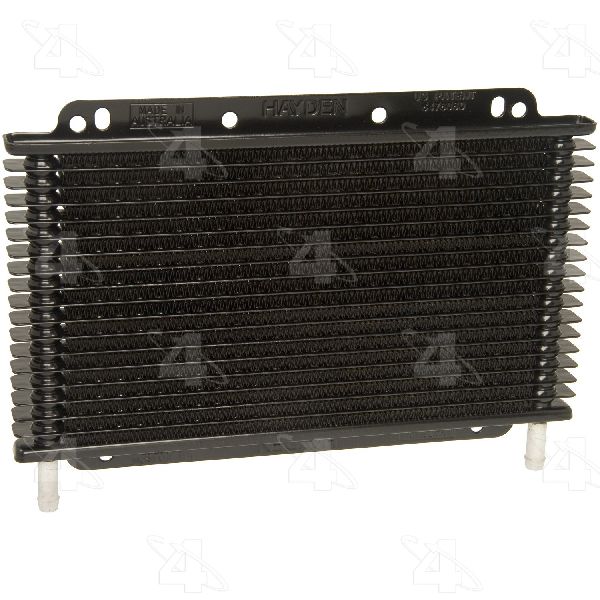
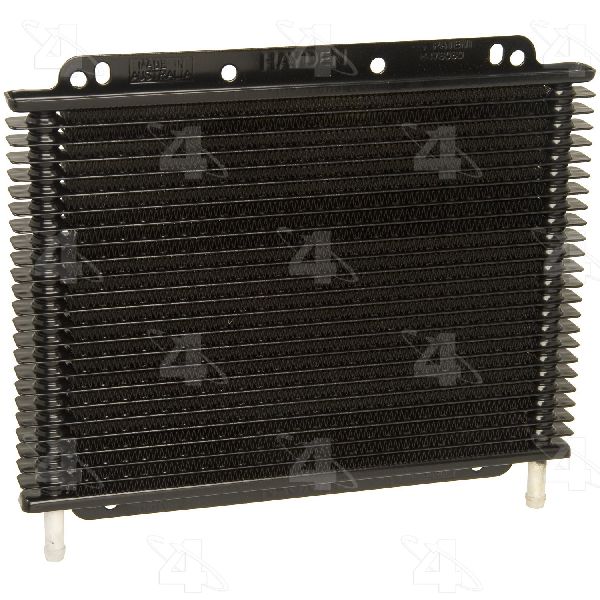
The part most commonly replaced in this system is the inverter cooler, which is a small radiator. When choosing a replacement, you have options.
- OEM (Original Equipment Manufacturer): The Toyota part is guaranteed to fit and perform as designed. For a critical system like this, many owners prefer the peace of mind of an OEM part.
- Aftermarket Brands (Four Seasons, Hayden): Aftermarket brands offer a more budget-friendly alternative. Brands like Four Seasons and Hayden are well-known in the cooling system world. Forum discussions show that Hayden is often considered a reliable choice for various cooling applications. For a direct-fit inverter cooler, quality is key. Ensure the part has good reviews and matches the OE specifications (like part number G901047050) to ensure proper fit and function.
Pro Tip: When replacing the inverter cooler, it's a perfect time to also drain and refill both the inverter coolant (Toyota Super Long Life Coolant - Pink) and the transaxle fluid (Toyota ATF-WS). This ensures the entire system is clean and has fresh fluids, maximizing its lifespan.
| Part/Service | Estimated Cost |
|---|---|
| New OEM Inverter Cooler | $150 - $250 |
| New Aftermarket Inverter Cooler (Four Seasons, Hayden, etc.) | $51.93 - $95.39 |
| Used OEM Inverter Cooler | $40 - $90 |
| Shop Labor for Replacement | $150 - $250 |
Frequently Asked Questions (FAQ)
Is the Prius V transmission fluid really 'lifetime' fluid?
No. While Toyota has marketed it as such, experienced mechanics and owners recommend changing the Toyota ATF-WS fluid at regular intervals, typically between 60,000 and 90,000 miles, to ensure the longevity of the transaxle.
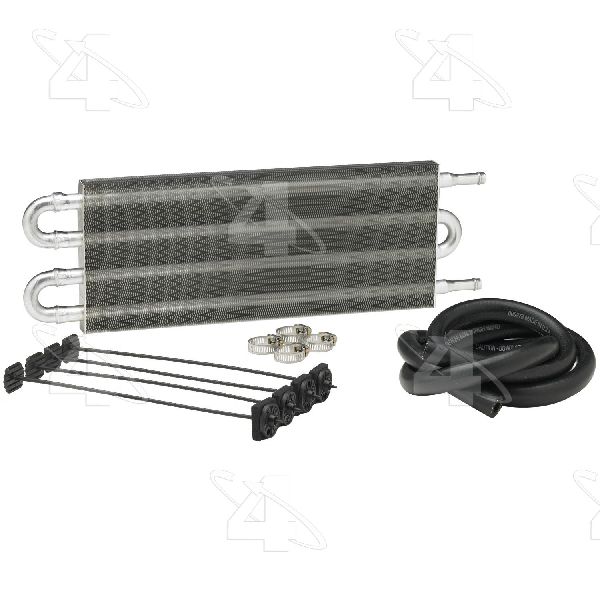
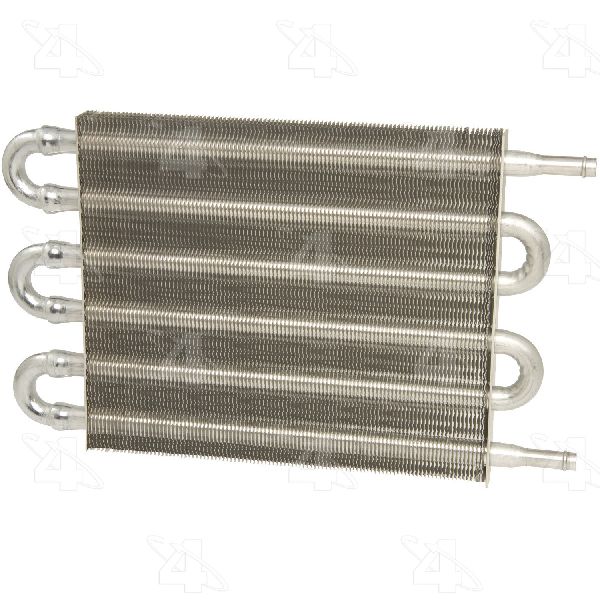
Can I just add a universal transmission cooler?
It's not recommended. The Prius V's system is designed as a closed loop with the inverter coolant. Adding a universal air-to-oil cooler would require significant modification and could disrupt the system's balance. It's better to ensure the original system, including the inverter cooler and its dedicated pump, is working correctly.
What fluids are needed for this job?
You will need two different fluids. The inverter cooling system uses Toyota Super Long Life Coolant (SLLC), which is pink. The transaxle itself uses Toyota Genuine ATF WS (World Standard) fluid, which is reddish. Do not mix them up.
How can I check if the inverter coolant pump is working?
With the car in 'Ready' mode, you should be able to see turbulence or movement in the inverter coolant reservoir (the translucent plastic tank next to the silver inverter box). You may also hear a faint humming from the pump, which is located behind the driver's side headlight. A failed pump is a common cause of overheating issues.
Helpful Videos
Technical Specifications
OEM Part Numbers: G901047050
The key component is the inverter cooler, a small aluminum and plastic radiator for the hybrid system's dedicated cooling loop. The transaxle itself is cooled via an internal heat exchanger connected to this loop.
We Have This Part in Stock

The information in this article is provided for general reference and educational purposes only. Vehicle specifications, procedures, and part compatibility can vary by production date, trim level, and region. Always consult your vehicle's factory service manual and verify part numbers before purchasing or performing repairs. Safety-critical components such as airbags, seat belts, and braking systems should be installed by a qualified professional.
- Toyota Prius V: