

Choosing the Right Aftermarket Brake Pads for Your 2012-2018 Toyota Prius V
Your Prius V's brakes last a long time, but choosing the right replacement pads is key to maintaining quiet, reliable stopping power.
- Prius V brake pads last much longer than average (often 100k+ miles) due to regenerative braking.
- Lack of use can cause caliper slide pins to seize; ensure they are cleaned and lubricated during pad replacement to prevent uneven wear.
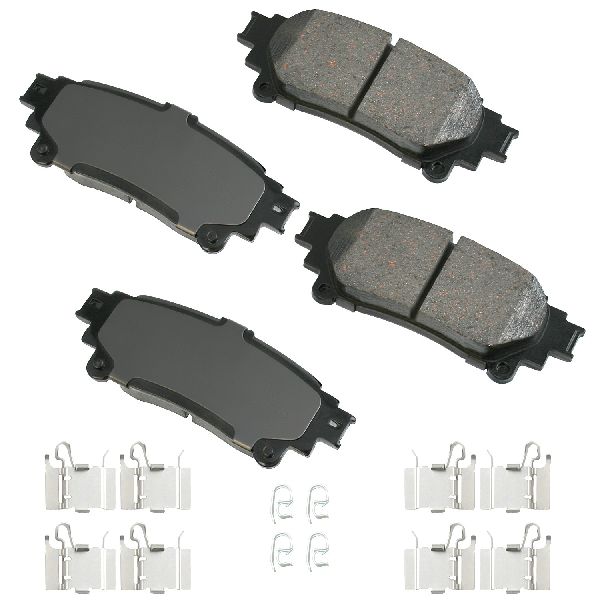
- OEM-equivalent brands like Advics and Akebono offer factory quality for potentially less cost than dealer parts.
- Ceramic pads are recommended for most Prius V owners for their quiet operation and low dust.
Signs of Worn Brake Pads
Even though your Prius V's brake pads last a long time, they will eventually wear down. It's important to get them inspected regularly, about every 30,000 miles or 3 years. Look for these common symptoms that indicate it's time for a replacement:
- Screeching or Squealing Noises: A high-pitched screeching sound when you apply the brakes is a built-in indicator that the pads are thin. This sound comes from a small metal tab hitting the brake rotor.
- Grinding Sounds: If you hear a harsh grinding noise, it's a critical warning. This often means the brake pad material is completely gone, and metal is grinding against metal. This can damage your brake rotors, leading to a more expensive repair.
- Longer Stopping Distance: If you notice your car takes longer to stop than it used to, your brake pads may be too worn to provide effective friction.
- Brake Warning Light: An illuminated brake warning light on your dashboard is a clear signal to have your entire brake system inspected immediately.
Known Vehicle Issues: TSBs and Customer Support Programs
While there are no direct recalls for the brake pads themselves, Toyota has issued Technical Service Bulletins (TSBs) and a Customer Support Program for related brake components on some 2012-2014 Prius V models. One TSB, #T-SB-0081-13, addresses a rear brake groan or squeak when the brakes are cold and damp. Other programs and TSBs (like #T-SB-0115-20 and #T-SB-0089-20) relate to the brake booster and actuator assembly, which can cause various warning lights (ABS, TRAC, VSC) and a change in brake pedal feel. While these aren't pad failures, they are important to be aware of if you experience brake system warnings.
Choosing the Right Aftermarket Brake Pads
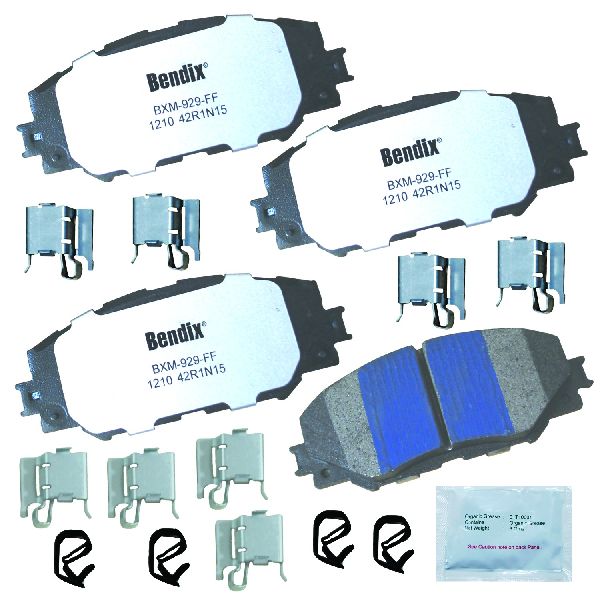
When replacing your brake pads, you have many choices beyond the original equipment manufacturer (OEM) parts from the dealer. Aftermarket pads come in different materials and quality levels. For a Prius V, ceramic pads are the most common and recommended type for daily driving due to their quiet operation and low dust.
Brand Quality Tiers
Not all aftermarket brands are created equal. Here’s a breakdown of what to expect from different tiers of brands available for your Prius V.
- OEM-Equivalent Brands (Advics, Akebono): Toyota does not make its own brake pads but uses suppliers. Advics and Akebono are common original equipment suppliers for Toyota. 🎬 Learn more about who actually manufactures Toyota's brake pads. Choosing pads from these brands often means you are getting the same or very similar quality and performance as the original factory parts. They are known for quiet operation, low dust, and being gentle on rotors.
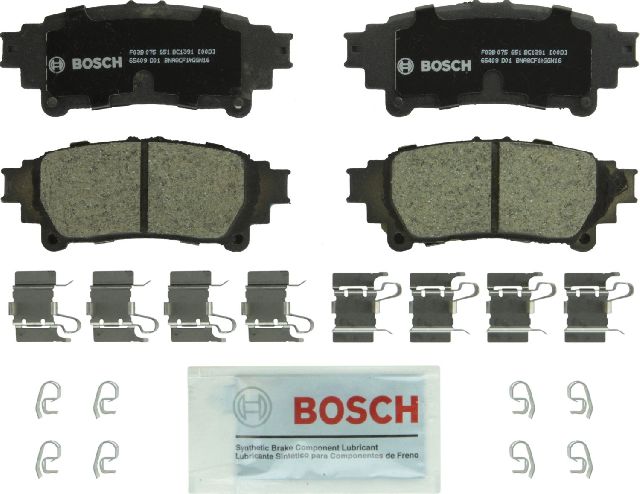
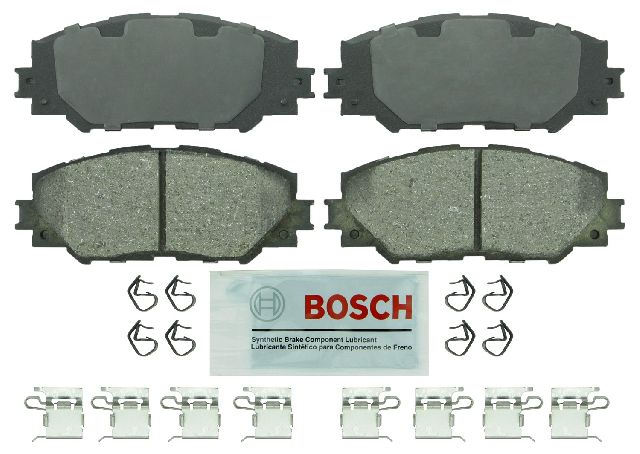
- Premium Aftermarket Brands (Bosch, Brembo, Wagner, Raybestos): These are well-respected brands that offer high-quality pads, often meeting or exceeding OEM specifications. Brands like Bosch QuietCast are known for their quiet performance and reliability. Wagner and Raybestos also offer excellent options for daily drivers. 🎬 Watch this comparison to see how different brake brands perform.
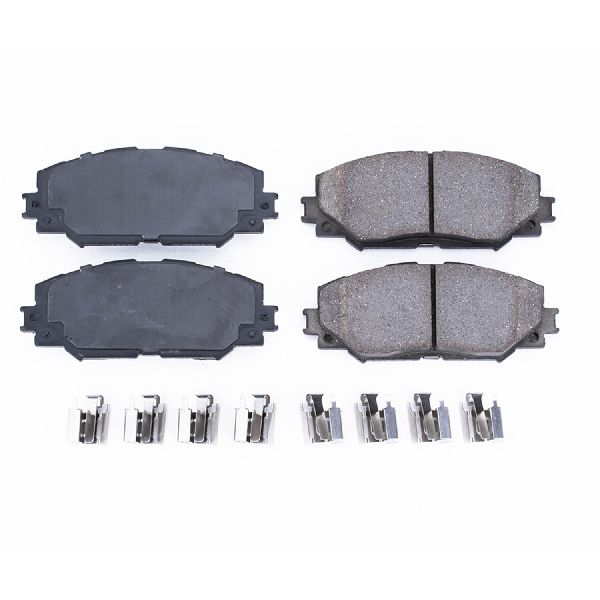
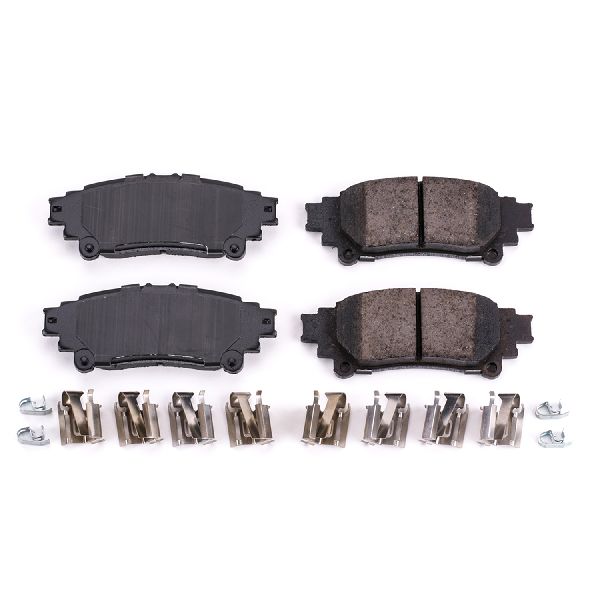
- Performance Brands (Powerstop, Hawk, EBC Brakes): These brands focus on enhanced stopping power. A Powerstop kit, for example, might offer better performance in demanding situations but can require a warm-up period to perform optimally. These are a good choice if you do a lot of heavy braking or want a more aggressive bite, but may produce more dust or noise than OEM-style pads.
- Budget-Friendly Brands (Dynamic Friction, Centric, Pronto): These brands provide a functional, lower-cost alternative. They are a viable option if budget is your primary concern, but they may not offer the same longevity, quietness, or low-dust characteristics of premium brands.
A Note on Regenerative Braking and Maintenance
Because the Prius V uses its friction brakes less frequently, the caliper slide pins can seize from lack of use. This can cause uneven pad wear, where one pad wears out much faster than the other. When you or your mechanic replace the pads, it is critical to clean and lubricate the caliper slide pins to ensure they move freely.
Estimated Costs for Brake Pad Replacement
| Part/Service | Estimated Cost |
|---|---|
| New Aftermarket Brake Pad Set (Front or Rear) | $27 - $150 |
| New OEM Brake Pad Set (Front or Rear) | $60 - $120 |
| Shop Labor for Pad Replacement (One Axle) | $125 - $250 |
Note: Costs are estimates and can vary based on location, brand, and the specific repair shop. Resurfacing or replacing brake rotors will add to the total cost.
Frequently Asked Questions
How long do brake pads last on a Toyota Prius V?
Thanks to the regenerative braking system, brake pads on a Prius V can last an exceptionally long time. It is common for owners to get over 100,000 miles from a single set of pads, with some reporting even 200,000 miles or more depending on driving habits.
Should I replace my brake rotors at the same time as the pads?
Not always. If your rotors are still within the minimum thickness specification and are not warped or damaged, they can often be reused. However, if you feel a pulsation or vibration when braking, or if the rotors are worn below the minimum thickness, they must be replaced. Many owners choose to replace pads and rotors together for best performance.
What's the difference between ceramic and semi-metallic pads?
Ceramic pads are the recommended type for the Prius V for everyday driving. They are known for being very quiet, producing less brake dust, and offering long life. Semi-metallic pads can offer better performance in very heavy-duty use but are often noisier and create more dust.
Is it difficult to replace the brake pads on a Prius V myself?
For a mechanically inclined person with the right tools, replacing brake pads is a straightforward job. However, the Prius V has a complex electronic brake-by-wire system. It's important to follow proper procedures to avoid damaging the system or causing warning lights to appear. If you are not confident, it is best to have a professional mechanic do the work.
Helpful Videos
Technical Specifications
OEM Part Numbers: 04465-42200 04465-AZ314 04466-47051 04466-47101
The 2012-2018 Toyota Prius V uses disc brakes on all four wheels. The recommended pad material for most drivers is ceramic for its quiet performance and low dust characteristics.
We Have This Part in Stock

The information in this article is provided for general reference and educational purposes only. Vehicle specifications, procedures, and part compatibility can vary by production date, trim level, and region. Always consult your vehicle's factory service manual and verify part numbers before purchasing or performing repairs. Safety-critical components such as airbags, seat belts, and braking systems should be installed by a qualified professional.
- Toyota Prius V:
- 🎬 Helpful Videos
- 🛍️ Shop This Part
- Signs of Worn Brake Pads
- Known Vehicle Issues: TSBs and Customer Support Programs
- Choosing the Right Aftermarket Brake Pads
- Brand Quality Tiers
- A Note on Regenerative Braking and Maintenance
- Estimated Costs for Brake Pad Replacement
- Frequently Asked Questions
- 🎟️ Get 5% Off