

Toyota Prius V Knock Sensor: A Guide for 2012-2018 Models
Understanding knock sensor failure and choosing the right replacement for your Prius V.
- A bad knock sensor will most likely trigger a Check Engine Light (P0327) and cause poor acceleration.
- There are no specific recalls or TSBs for this part on the Prius V, meaning failure is not a widespread, officially recognized issue.
- While the official repair involves removing the intake manifold, some DIYers report success with a shortcut method.
- For critical sensors on a Toyota, using an OEM part (89615-06010) is strongly recommended to avoid compatibility problems.
Is Your Prius V Knock Sensor Failing?
A faulty knock sensor can cause noticeable issues with your vehicle's performance. Because the engine's computer relies on this sensor for correct ignition timing, a bad sensor can send the wrong signals, or no signal at all. This forces the computer to guess, often putting the car into a safe, low-performance mode to prevent damage.
Symptoms of a Bad Knock Sensor
If your knock sensor is failing, you might experience one or more of the following issues:
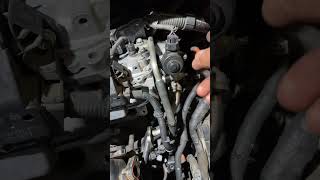
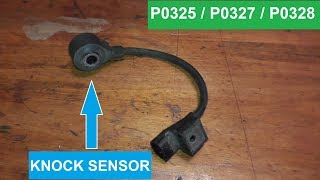
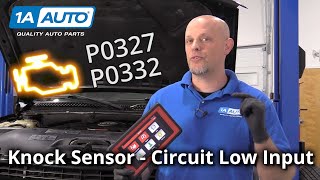
- Check Engine Light: This is the most common symptom. A diagnostic scan will often show trouble codes like P0325, P0327, or P0328. 🎬 Watch: Diagnosing a P0328 code on a 2014 Prius.
- Reduced Engine Power: Your Prius V may feel sluggish and slow to accelerate. The engine's computer retards timing to protect the engine, which reduces power output.
- Worse Fuel Economy: When the engine isn't running efficiently, it uses more fuel. You may notice a drop in your average MPG.
- Engine Pinging or Knocking: In some cases, a completely failed sensor won't be able to detect detonation, and you might hear a metallic pinging or knocking sound, especially when accelerating or going uphill.
Wiring Can Also Be the Culprit
Before replacing the sensor, it's wise to inspect the wiring harness that connects to it. A Toyota technician noted that rodent damage to the wiring is a common cause of knock sensor codes, as the harness is located in a warm, sheltered area of the engine bay. 🎬 See how to repair a broken knock sensor wire. Corrosion or a loose connection can also cause the same symptoms as a failed sensor.
Choosing a Replacement Knock Sensor: Aftermarket vs. OEM
When it comes to electronic sensors on Toyota vehicles, the choice between aftermarket and Original Equipment Manufacturer (OEM) parts is important. While an aftermarket part can save you money upfront, it may not be the best choice in the long run.
- OEM Parts: The OEM knock sensor for the Prius V is part number 89615-06010. This part is guaranteed to meet Toyota's exact specifications for performance and reliability. Many experienced technicians and Toyota owners strongly recommend using OEM for critical sensors to avoid compatibility issues.
- Aftermarket Parts: Aftermarket brands offer a more affordable alternative. However, the quality can be inconsistent. Some Prius owners have reported that their vehicles can be sensitive to non-OEM sensors, sometimes leading to persistent check engine lights even after replacement. If choosing aftermarket, consider reputable brands known for making OEM parts for other manufacturers, like Denso or NTK, if available. A generic "Replacement" branded part is the most budget-friendly option but carries the highest risk of premature failure or incompatibility.
A Note on "Replacement" Brand Parts
The "Replacement" brand knock sensor available for your Prius V offers a significant cost saving. For a vehicle that is out of warranty, this can be a practical choice, especially if you are performing the repair yourself. However, be aware that the sensitivity and voltage output might not perfectly match the OEM specifications, which can sometimes cause the vehicle's computer to reject the part. It is a trade-off between cost and the potential for additional diagnostic work.
Prius V Knock Sensor Replacement Cost
The cost to replace the knock sensor can vary significantly depending on whether you do it yourself or use a repair shop.
| Part / Service | Estimated Cost |
|---|---|
| New OEM Knock Sensor | $150 - $205 |
| New Aftermarket Knock Sensor | $30 - $95 |
| Shop Labor | $268 - $394 |
| Total (Shop Repair) | $387 - $655 |
Installation Guide
The official Toyota repair procedure requires removing the intake manifold to access the knock sensor, which is bolted to the engine block. This makes the job moderately difficult and time-consuming, taking a professional mechanic 2-3 hours.
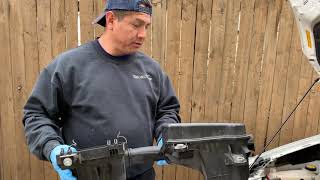
However, some owners of the standard Gen 3 Prius (which uses the same engine) have reported a shortcut. This "easy method" involves removing the air filter housing and oil dipstick tube to create just enough space to access the sensor with a wrench. This is not the official procedure and may be challenging due to the tight space, but it avoids the more complex job of removing the intake manifold. If you attempt this, proceed with caution.
🎬 Watch this walkthrough of the Prius knock sensor replacement.Frequently Asked Questions
Where is the knock sensor located on a 2012-2018 Toyota Prius V?
The knock sensor is bolted to the back of the engine block, underneath the plastic intake manifold.
Can I drive my Prius V with a bad knock sensor?
Yes, but it is not recommended for long. The engine computer will likely limit performance to prevent damage, resulting in poor acceleration and fuel economy. Ignoring the issue could lead to more serious engine problems if actual knocking occurs and goes undetected.
Are there any recalls for the Prius V knock sensor?
No, as of early 2026, there are no specific recalls or technical service bulletins (TSBs) from Toyota or the NHTSA for knock sensor failure on the 2012-2018 Toyota Prius V.
Will a cheap aftermarket knock sensor work?
It might, but it's a gamble. Toyotas can be sensitive to the electronic signals from aftermarket sensors. Many owners and mechanics recommend using an OEM part or a part from a known OEM supplier like Denso to ensure compatibility and avoid having to do the job twice.
Helpful Videos


Technical Specifications
OEM Part Numbers: 89615-06010 89615-20090
Single bolt-on sensor with a 2-blade male terminal connector.

The information in this article is provided for general reference and educational purposes only. Vehicle specifications, procedures, and part compatibility can vary by production date, trim level, and region. Always consult your vehicle's factory service manual and verify part numbers before purchasing or performing repairs. Safety-critical components such as airbags, seat belts, and braking systems should be installed by a qualified professional.
- Toyota Prius V:
- 🎬 Helpful Videos
- Is Your Prius V Knock Sensor Failing?
- Symptoms of a Bad Knock Sensor
- Wiring Can Also Be the Culprit
- Choosing a Replacement Knock Sensor: Aftermarket vs. OEM
- A Note on "Replacement" Brand Parts
- Prius V Knock Sensor Replacement Cost
- Installation Guide
- Frequently Asked Questions
- 🎟️ Get 5% Off