

A Guide to the 2012-2018 Volkswagen Passat 2.5L Engine Crankcase Vent Valve
Address the common PCV system failure on your Passat's 2.5L engine without overspending at the dealership.
- The PCV valve on the 2.5L Passat engine is built into the valve cover and its internal diaphragm is a very common failure item.
- A loud whistle from the engine, a rough idle, and a check engine light for lean conditions (P0171) or MAP sensor performance (P0106) are hallmark symptoms.
- You can save significant money by using an aftermarket Dorman kit to replace just the failed diaphragm instead of the entire valve cover assembly required by dealers.
- Always investigate the PCV system before replacing the MAP sensor, as a bad PCV is a frequent cause of MAP sensor fault codes on this engine.
Is Your Passat's 2.5L Engine Whistling or Running Rough?

A loud whistling sound from the engine bay, a shaky idle, and a check engine light are common complaints from owners of the 2012-2018 VW Passat with the 2.5L engine. More often than not, these issues point directly to a failure of the integrated crankcase vent valve. The rubber diaphragm inside the valve becomes brittle over time from heat and oil exposure and eventually tears. This creates a large, unmetered vacuum leak that the engine's computer cannot compensate for, leading to a host of noticeable symptoms.
Symptoms of a Failing Crankcase Vent Valve

Because the failure is essentially a massive vacuum leak, the symptoms are often loud and immediate. You may experience one or more of the following:
- Loud Whistling or Sucking Noise: This is the most telling sign. A high-pitched whistle coming from the top of the engine at idle is a classic symptom of a torn PCV diaphragm.
- Rough and Unstable Idle: The engine will struggle to maintain a smooth idle and may shake or vibrate excessively. In some cases, it may stall when you come to a stop.
- Check Engine Light: The vacuum leak will cause the engine to run lean (too much air), triggering fault codes like P0171 (System Too Lean), P0106 (MAP Sensor Performance), P0507 (Idle RPM Higher Than Expected), or P2279 (Intake Air System Leak).
- Increased Oil Consumption: While less common, improper crankcase pressure can sometimes lead to increased oil consumption. If you find oil residue on your MAP sensor, a bad PCV valve is the likely culprit.
A Note on Diagnosis
A simple way to confirm the failure is to locate the round PCV valve cap on the valve cover. With the engine running and exhibiting symptoms, try to carefully block the small hole on the cap with your finger. If the whistling stops and the idle smooths out, you have found your problem. Another test is to try removing the oil filler cap while the engine is idling; if it's very difficult to remove due to strong suction, the PCV valve has likely failed.
Choosing the Right Aftermarket Part: Dorman vs. OEM

When you go to a Volkswagen dealer, their solution is to replace the entire valve cover assembly, as VW does not sell the internal diaphragm separately. This is an expensive repair.
The aftermarket offers two better solutions:
- Diaphragm-Only Repair Kit: Brands like Dorman offer an "OE FIX" kit (such as part 917-064) that contains only the new diaphragm, spring, and cap. This is the most cost-effective repair, allowing you to replace only the part that failed for a fraction of the cost of a full valve cover.
- Complete Aftermarket Valve Cover: If your valve cover itself is cracked or the gasket is leaking badly, a complete aftermarket assembly is a good choice. The Dorman valve cover comes with a new PCV system and gaskets pre-installed, simplifying the job.
For this specific, common failure, Dorman parts are generally considered a reliable and smart repair. They address a known OEM serviceability issue by providing a part that the original manufacturer does not.
Pro Tip: Installation
If you are replacing only the diaphragm, be aware that the old plastic cap can be brittle and may break during removal. This is okay, as the kit comes with a new one. Take care to prevent any broken plastic pieces from falling into the engine. The new cap simply snaps into place.
| Part Type | Estimated Cost |
|---|---|
| New OEM (Full Valve Cover Assembly) | $350 - $550 |
| New Aftermarket (Full Valve Cover Assembly) | $148.88 - $200.00 |
| New Aftermarket (Diaphragm Repair Kit Only) | $20 - $45 |
| Shop Labor | $120 - $240 |
Frequently Asked Questions (FAQ)

Are there any recalls for the Passat PCV valve?
No, there are no active safety recalls for this specific issue on the 2012-2018 Passat 2.5L. While Volkswagen has issued warranty extensions for PCV valves on other engines like the 2.0T, this specific failure on the 2.5L is not covered by a special program.
Why does the dealer want to replace the whole valve cover?
Volkswagen's service procedure dictates replacing the entire valve cover assembly because they do not offer the internal diaphragm as a separate service part. Aftermarket companies created diaphragm-only kits to provide a more affordable repair.
What happens if I don't replace a bad PCV valve?
You will have to live with a very poor-running engine, a constant check engine light, and bad fuel economy. More importantly, the incorrect pressure in the crankcase can stress other seals, potentially causing new oil leaks over time, which can lead to more expensive repairs.
My mechanic says my MAP sensor is bad. Could it be the PCV valve?
Yes, absolutely. A failed PCV valve is a very common cause of the P0106 MAP sensor code on the 2.5L engine. The torn diaphragm can allow oil vapors to contaminate the MAP sensor, and the massive vacuum leak causes pressure readings that the sensor reports as implausible. Always check the PCV system before replacing the MAP sensor.
Technical Specifications
OEM Part Numbers: 07K103469L 07K103469F 07K103469D
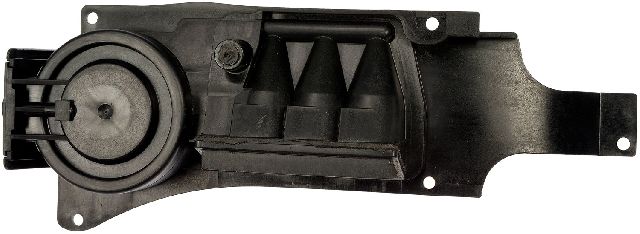
This part is a Positive Crankcase Ventilation (PCV) valve system integrated into the engine valve cover. The common failure is a torn internal rubber diaphragm that regulates crankcase pressure.
We Have This Part in Stock

The information in this article is provided for general reference and educational purposes only. Vehicle specifications, procedures, and part compatibility can vary by production date, trim level, and region. Always consult your vehicle's factory service manual and verify part numbers before purchasing or performing repairs. Safety-critical components such as airbags, seat belts, and braking systems should be installed by a qualified professional.
- Volkswagen Passat: