

A Charger Owner's Guide to the 2012-2019 Engine Oil Pressure Switch
Don't get fooled by a bad sensor; understand the symptoms and pick the right replacement part.
- A bad oil pressure sensor is a common cause for a P0520 code and warning lights.
- Replacement on the 3.6L V6 is very difficult and labor-intensive; it's much easier on HEMI V8s.
- For the 3.6L V6, it is highly recommended to replace the entire oil filter housing assembly, not just the sensor.
- Always verify actual oil pressure with a mechanical gauge before assuming a major engine problem.
Is Your Charger's Oil Pressure Warning Light On?

Seeing the oil pressure light on your dashboard can be alarming. While it can signal a serious problem like low oil, it's often caused by a faulty engine oil pressure switch, especially on the 2012-2019 Dodge Charger. This is a common issue, and understanding it can save you from unnecessary worry and expense. The most common trouble code associated with a failing sensor is P0520.
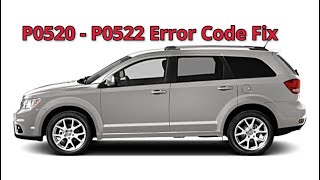
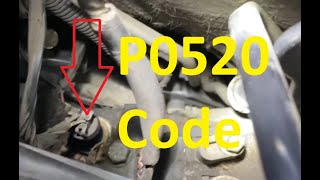
🎬 Watch: Understanding the P0520 code and how to fix it.V6 vs. V8 Engine Differences
The location and replacement procedure for the oil pressure switch are very different depending on your engine. On the 3.6L Pentastar V6, the sensor is located in the engine valley, underneath the upper and lower intake manifolds. It is part of the oil filter and cooler housing assembly, which is known to develop leaks. Because of the difficult location, replacement is labor-intensive. On 5.7L and 6.4L HEMI V8 engines, the sensor is much easier to access. It is located on the front of the engine block, near the alternator.
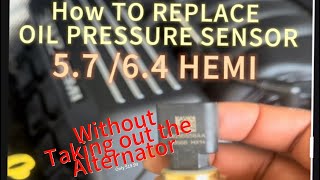
🎬 See this walkthrough for replacing the sensor on HEMI engines.Choosing the Right Aftermarket Oil Pressure Switch

When it's time to replace the switch, you have options. You can choose an original equipment (OEM) part from Mopar or an aftermarket part from brands like Crown Automotive, Holstein, Standard Ignition, or Walker Products.
OEM (Mopar): Mopar is the factory brand. It's the benchmark for quality and fit. For the 3.6L V6, where replacement is difficult, using a Mopar sensor is strongly recommended to avoid having to do the job twice. Some owners report that aftermarket sensors can fail quickly, leading to repeat repairs.
Premium Aftermarket (Standard Ignition): Standard Motor Products (Standard Ignition) is a highly-regarded aftermarket brand known for producing quality components that meet or exceed OEM specifications. This is often the best choice when balancing cost and quality.
Standard Aftermarket (Crown, Holstein, Walker): Brands like Crown Automotive, Holstein, and Walker Products offer a more budget-friendly option. They are a viable choice, especially for HEMI V8 engines where the sensor is easy to replace if it fails prematurely. For the V6, the lower part cost may not be worth the risk of another high-labor repair job down the road.
Pro Tip: For 3.6L V6 engines, it is highly recommended to replace the entire oil filter housing assembly, not just the sensor. The housing itself can crack and leak oil or coolant. Aftermarket assemblies often come with new sensors already installed. Also, replace the upper and lower intake manifold gaskets at the same time.
Replacement Cost
The cost to replace the oil pressure switch varies greatly depending on your engine due to the difference in labor time.
| Engine | Part Cost (Aftermarket) | Estimated Labor Cost | Total Estimated Cost |
|---|---|---|---|
| 3.6L V6 | $40 - $90 | $220 - $322+ | $275 - $427+ |
| 5.7L / 6.4L HEMI V8 | $40 - $90 | $140 - $201 | $160 - $294+ |
*Costs are estimates and can vary by location and repair shop. Labor for the V6 is significantly higher due to the need to remove the intake manifolds.
Frequently Asked Questions (FAQ)

What's the difference between an oil pressure switch and a sensor?
The terms are often used interchangeably. A simple "switch" just turns a light on or off at a specific pressure. A "sensor" (or sending unit) provides a variable reading that can drive a gauge on your dashboard. Modern cars like the Charger use a sensor to provide this more detailed information to the computer and the driver.
My mechanic says I need to replace the whole oil filter housing on my V6. Why?
This is common and correct advice for the 3.6L V6 engine. The oil pressure sensor is integrated into the oil filter/cooler housing. These plastic housings are known to crack and leak over time. Replacing the entire assembly, which includes new sensors and gaskets, is the best long-term repair and prevents future leaks.
Is there a recall for the oil pressure sensor on the Dodge Charger?
There is no specific recall for the oil pressure sensor on the 2012-2019 Dodge Charger. However, Chrysler issued a Technical Service Bulletin (TSB) #08-053-14 for some 2014 models with the 3.6L engine for a P0520 code, which involved replacing the sensor with a revised part. TSBs are not recalls but are instructions for dealers on how to fix known issues.
Can I replace the oil pressure sensor myself?
For HEMI V8 owners, this is a DIY-friendly job that requires basic hand tools and can be done in about an hour. The sensor is located on the front of the engine. For 3.6L V6 owners, this is a much more difficult job that involves removing the upper and lower intake manifolds. It is considered a difficult DIY repair and is often best left to a professional mechanic unless you are very experienced.
🎬 Watch: A clever shortcut for replacing the V6 sensor.Helpful Videos

Technical Specifications
OEM Part Numbers: 5149062AA 68334877AA 5149098AA 68060337AA
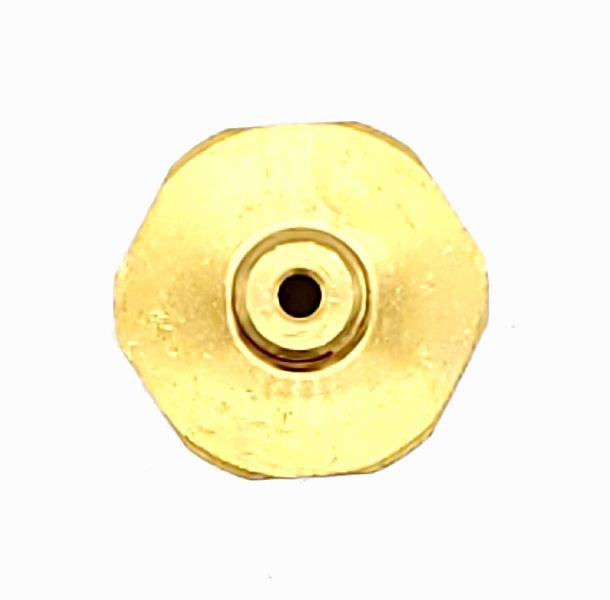
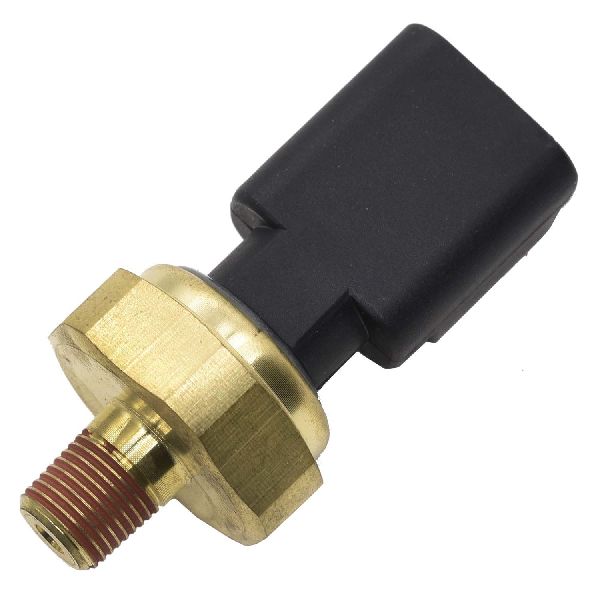
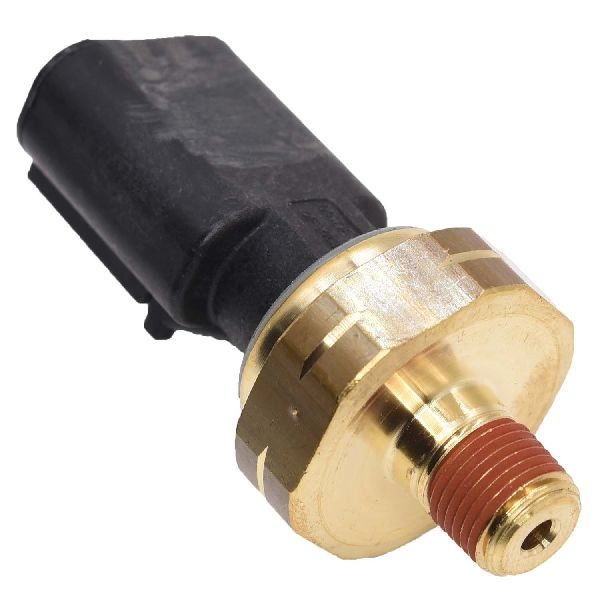
The oil pressure sensor for the 2012-2019 Dodge Charger is a 3-pin electronic transducer. It is located in the oil filter housing on 3.6L V6 engines and on the front of the engine block near the alternator on 5.7L and 6.4L HEMI V8 engines. A special socket may be required for removal and installation.
We Have This Part in Stock


The information in this article is provided for general reference and educational purposes only. Vehicle specifications, procedures, and part compatibility can vary by production date, trim level, and region. Always consult your vehicle's factory service manual and verify part numbers before purchasing or performing repairs. Safety-critical components such as airbags, seat belts, and braking systems should be installed by a qualified professional.
- Dodge Charger: