

A/C Accumulator Replacement Guide for the 2012-2019 Ford Explorer
Keep your Explorer's A/C blowing ice cold by understanding this critical, often-overlooked part.
- The A/C accumulator must be replaced any time the A/C system is opened for repair to protect new components.
- Professional installation is strongly recommended due to the need for specialized refrigerant recovery and charging equipment.
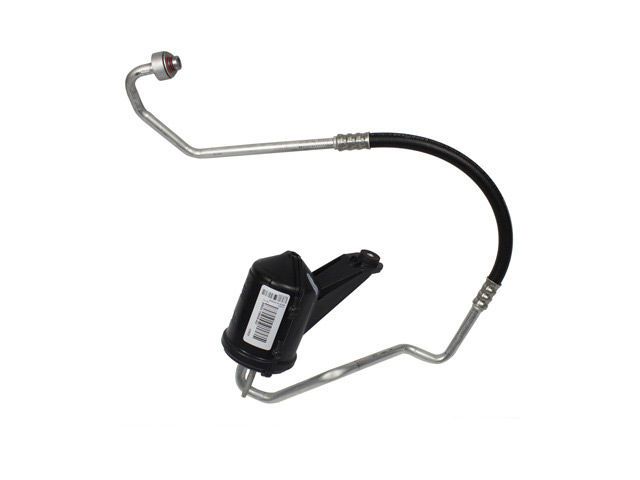
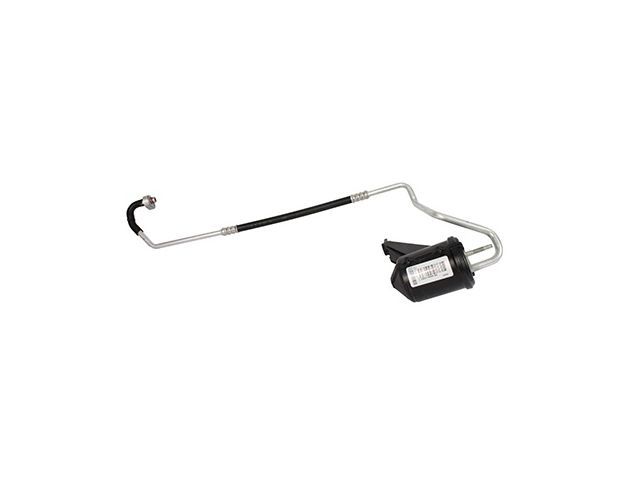
- For this generation of Explorer, the accumulator is often sold with the hose assembly attached.
- If your Explorer has rear A/C, the lines running to the back are a very common leak point to inspect.
Is Your Explorer's A/C Failing? It Could Be the Accumulator.


If your air conditioning isn't as cold as it used to be, or has stopped working entirely, a failing A/C accumulator could be the problem. While not as well-known as the compressor or condenser, it plays a vital role. This guide will walk you through the symptoms of a bad accumulator and how to choose the right replacement for your 2012-2019 Ford Explorer.
Symptoms of a Bad A/C Accumulator
- Poor or No Cooling: This is the most common symptom. A clogged or saturated accumulator can prevent refrigerant from circulating properly, resulting in warm air from the vents. 🎬 Watch: Easy fix for Explorer AC not blowing cold air
- Visible Refrigerant Leaks: The accumulator can develop leaks due to corrosion. You might see a greasy, oily residue on the accumulator canister or the lines connected to it.
- Rattling or Hissing Noises: A rattling sound when the A/C is on can mean the internal baffles or the desiccant bag has broken apart. A hissing noise often points to a refrigerant leak.
- Musty or Moldy Smell: If the accumulator fails and allows moisture into the A/C system, it can lead to mold and mildew growth, causing an unpleasant smell from your vents.
Pro-Tip: Replace it Whenever the System is Opened
Mechanics agree that the A/C accumulator (or receiver/drier) must be replaced any time the A/C system is opened for a repair, such as replacing a compressor or hose. The desiccant inside becomes saturated with moisture from the open air. Not replacing it will void the warranty on a new compressor and lead to premature failure of the entire system.
Known Issues for 2012-2019 Ford Explorers
While there are no specific recalls for the A/C accumulator on these models, some related issues are worth noting:
- TSB 15-0149: Some 2013-2015 Explorers with the 3.5L Ti-VCT engine may experience a surging or rolling idle when the A/C is running. This is not a part failure, but an issue that can be fixed by a dealer with a powertrain control module (PCM) software update.
- Rear A/C Line Leaks: On models equipped with rear air conditioning, the aluminum lines running to the back of the vehicle are a common source of leaks due to corrosion. If your system won't hold a charge, these lines are a primary suspect.
Choosing a New Aftermarket Accumulator: OEM vs. Aftermarket
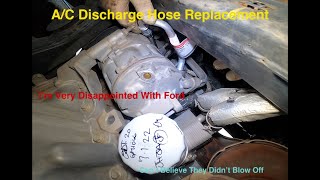
For the 2012-2019 Explorer, the accumulator is often sold as an assembly with the attached hose. 🎬 See this walkthrough of an Explorer AC discharge line replacement You have a choice between the original Ford part (Motorcraft) and several aftermarket brands.
- Motorcraft (OEM): This is the part your Explorer was built with. It guarantees a perfect fit and the correct type and amount of desiccant material. For a critical A/C component, sticking with the OEM brand is often the safest bet for long-term reliability.
- Aftermarket Brands (GPD, Four Seasons, UAC): Aftermarket parts are a more budget-friendly option. Brands like GPD and Four Seasons are common choices. While many work fine, some mechanics report that fitment can sometimes be slightly off, requiring minor adjustments during installation. The quality of the desiccant is the biggest unknown, which is critical for the system's health.
The Verdict: If your budget allows, Motorcraft is the recommended choice for guaranteed fit and quality. If you choose an aftermarket brand, select one with a good warranty and positive reviews from other Explorer owners.
Cost of Replacing the A/C Accumulator
| Part Type | Estimated Cost |
|---|---|
| New OEM (Motorcraft) | $45 - $110 |
| New Aftermarket | $52 - $98 |
| Shop Labor | $150 - $250 |
| Total Estimated Cost | $200 - $350 |
Note: Labor costs can vary significantly by location. This estimate includes the time to evacuate the old refrigerant, replace the part, pull a vacuum, and recharge the system with the correct amount of refrigerant and oil. 🎬 Watch: How to properly vacuum and recharge your Explorer's AC
Frequently Asked Questions (FAQ)
Can I replace the A/C accumulator myself?
This is not recommended for most DIY mechanics. The job requires specialized and expensive equipment, including a refrigerant recovery machine, manifold gauges, and a vacuum pump. Releasing refrigerant into the atmosphere is illegal, and improperly charging the system can cause serious damage.
Do I need to add oil when replacing the accumulator?
Yes. When you remove the old accumulator, some PAG oil will come out with it. You must measure the oil from the old part and add the same amount of new, correct-spec PAG oil to the new accumulator before installation to ensure the compressor stays lubricated.
What is a desiccant?
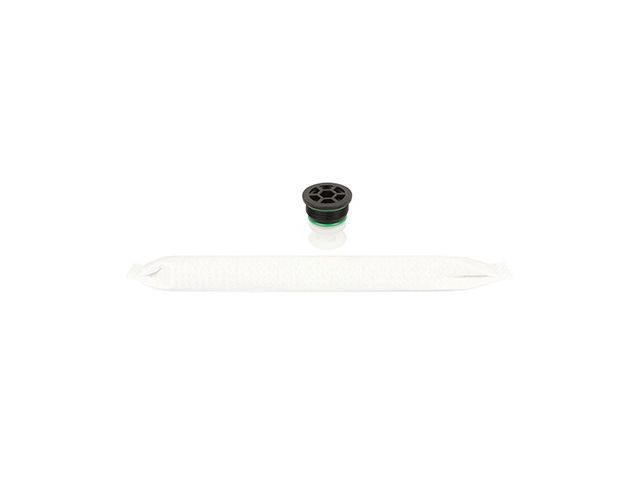
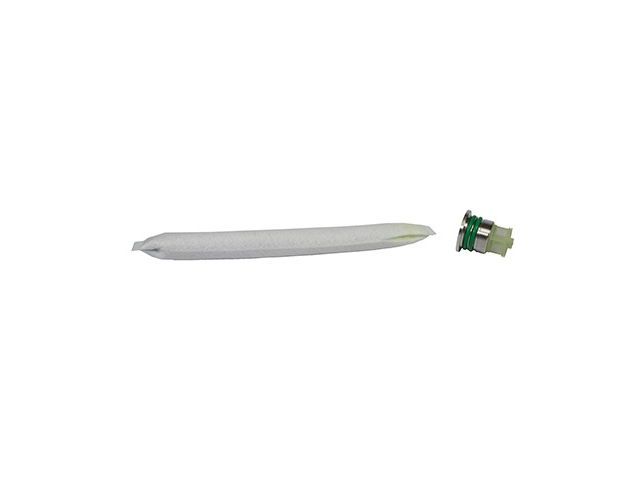
Desiccant is a material that absorbs moisture, like the silica gel packets you find in new shoes. In your A/C system, it's contained in a bag inside the accumulator to pull any water out of the refrigerant.
My A/C smells like a moldy basement. Is that the accumulator?
It can be. If the accumulator has failed and allowed moisture to build up in the system, it can promote mold growth. However, a musty smell is more often caused by mold growing on the A/C evaporator core behind your dashboard.
Helpful Videos

Technical Specifications
OEM Part Numbers: BB5Z-19C836-A BB5Z-19959-B YL-212 YF-37331 YL-208 YF-3688
Contains desiccant for moisture removal; acts as a refrigerant/oil reservoir. Often includes attached hose assembly. Must be replaced when the A/C system is serviced.
We Have This Part in Stock

The information in this article is provided for general reference and educational purposes only. Vehicle specifications, procedures, and part compatibility can vary by production date, trim level, and region. Always consult your vehicle's factory service manual and verify part numbers before purchasing or performing repairs. Safety-critical components such as airbags, seat belts, and braking systems should be installed by a qualified professional.
- Ford Explorer:
- 🎬 Helpful Videos
- 🛍️ Shop This Part
- Is Your Explorer's A/C Failing? It Could Be the Accumulator.
- Symptoms of a Bad A/C Accumulator
- Pro-Tip: Replace it Whenever the System is Opened
- Known Issues for 2012-2019 Ford Explorers
- Choosing a New Aftermarket Accumulator: OEM vs. Aftermarket
- Cost of Replacing the A/C Accumulator
- Frequently Asked Questions (FAQ)
- 🎟️ Get 5% Off