

A Ford Fiesta Owner's Guide to Catalytic Converter Replacement (2012-2019)
Is your Fiesta showing a P0420 code? Here’s what you need to know before you replace your catalytic converter.
- The most common sign of failure is the P0420 check engine light code.
- Always check the oxygen sensors before replacing the converter, as they can cause the same code and are cheaper to fix.
- A quality direct-fit aftermarket brand like MagnaFlow is a cost-effective alternative to an expensive OEM part.
- Failure is common on high-mileage Fiestas (over 100,000 miles), and there are no specific recalls for this part.
Is Your Ford Fiesta Catalytic Converter Failing?

If your check engine light is on, it might be for the catalytic converter. This is a common issue on many cars as they get older, including the 2012-2019 Ford Fiesta, especially as they pass 100,000 miles. The most common sign is a specific trouble code stored in your car's computer.
Common Symptoms of a Bad Converter
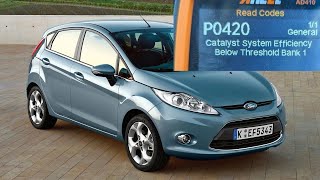
- Check Engine Light: The most frequent symptom is a check engine light with a P0420 error code, which means "Catalyst System Efficiency Below Threshold".
- Reduced Power: You might notice your Fiesta feels sluggish or slow to accelerate. This happens because a clogged converter restricts exhaust flow, creating backpressure that chokes the engine.
- Bad Smell: A smell like rotten eggs or sulfur coming from the exhaust is a classic sign that the converter isn't cleaning the exhaust gases properly.
- Worse Gas Mileage: When your engine can't breathe properly, it works harder and uses more fuel.
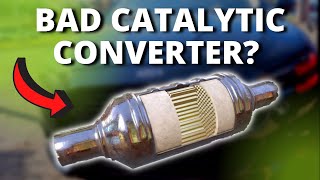
- Rattling Noise: If the honeycomb structure inside the converter breaks apart, you might hear a rattling sound from under the car.
Don't Ignore a P0420 Code
While a P0420 code might not cause immediate engine failure, driving with a clogged converter for too long can lead to more serious problems. A severely restricted exhaust can cause excessive heat and backpressure, potentially damaging your engine or creating a fire hazard.
Choosing a Replacement: OEM vs. Aftermarket

When it's time to replace the converter, you have two main choices: an original equipment manufacturer (OEM) part from Ford or an aftermarket part from a brand like MagnaFlow. An OEM part is exactly what your car came with from the factory, but it's often very expensive. Aftermarket parts are made by other companies and are usually much more affordable.
For the Ford Fiesta, a quality aftermarket converter is a smart choice. Brands like MagnaFlow offer direct-fit options that are designed to match the original part's performance and installation requirements. These parts are made from stainless steel to resist rust and are designed for a straightforward, bolt-on installation without needing any welding. They are built to meet EPA emissions standards, which is important for passing state inspections.
Check Your O2 Sensors First!
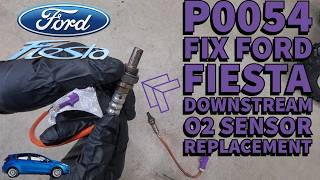
The P0420 code can also be triggered by a failing oxygen (O2) sensor. Your Fiesta has two O2 sensors: one before the converter (upstream) and one after (downstream). The computer compares the readings from these two sensors to see if the converter is working. Before spending money on a new converter, it's a good idea to have your O2 sensors tested, as they are much cheaper to replace.
Cost of Replacing a Ford Fiesta Catalytic Converter
| Part Type | Estimated Part Cost |
|---|---|
| New OEM (Ford) | $800 - $2200+ |
| New Aftermarket (MagnaFlow, etc.) | $250 - $500+ |
| Shop Labor | $293 - $430 |
Frequently Asked Questions (FAQ)

Are there any recalls for the 2012-2019 Ford Fiesta catalytic converter?
Based on search results, there are no specific recalls or widespread customer satisfaction programs from Ford for the catalytic converter on the 2012-2019 Fiesta. While other Ford models have had programs for similar issues, Fiesta owners typically have to cover the replacement cost themselves unless the car is still under the federal emissions warranty.
Can I clean my catalytic converter?
Some owners try using fuel additives like Cataclean as a temporary measure. However, if the converter's internal structure is melted, clogged, or broken, no cleaner can fix it. Replacement is the only permanent solution for a failed converter.
Is this a difficult DIY job?
For someone with the right tools and some experience, replacing the Fiesta's converter is possible. It is a bolt-on part. The biggest challenge is often dealing with rusted bolts on the exhaust system. You will need proper jack stands for safety, a socket set, and penetrating oil to help loosen the old hardware.
Do I need a special type of aftermarket converter?
Yes, you need a converter that is legal in your state. Some states, like California and Oregon, have stricter emissions laws and require CARB-compliant converters. Most other states follow federal EPA standards. MagnaFlow offers options for both. Always check local requirements before buying.
Helpful Videos
Technical Specifications
OEM Part Numbers: D2BZ-5E212-A
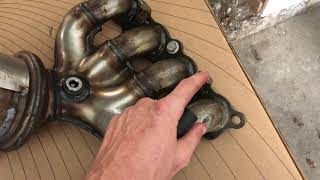
The catalytic converter for the 2012-2019 Ford Fiesta with the 1.6L engine is typically an exhaust manifold with an integrated catalytic converter. It is a direct-fit, bolt-on unit. Aftermarket replacements are available in both Federal/EPA compliant and California (CARB) compliant versions.

The information in this article is provided for general reference and educational purposes only. Vehicle specifications, procedures, and part compatibility can vary by production date, trim level, and region. Always consult your vehicle's factory service manual and verify part numbers before purchasing or performing repairs. Safety-critical components such as airbags, seat belts, and braking systems should be installed by a qualified professional.
- Ford Fiesta: