

Ford Mustang Engine Coolant Thermostat Guide for 2012-2019 Models
Keep your Mustang's engine temperature in check by understanding when and why you need to replace your thermostat.
- A stuck-closed thermostat will cause rapid overheating and can destroy your engine; pull over immediately.
- A stuck-open thermostat is less dangerous but will hurt fuel economy, heater performance, and trigger the P0128 check engine light.
- For most daily-driven 2012-2019 Mustangs, a Motorcraft or quality OEM-spec replacement (Gates, Motorad) is the best choice.
- Lower temperature thermostats from brands like Mishimoto are for tuned, high-performance cars and are not recommended for stock daily drivers.
Understanding Thermostat Failure in Your Mustang
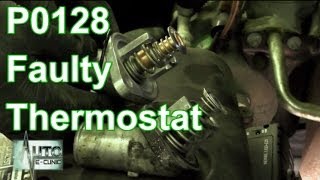
A thermostat is a simple mechanical part that can fail in two ways: stuck open or stuck closed. A thermostat that's stuck open will cause your engine to take a very long time to warm up, especially in colder weather. This can lead to poor fuel economy, no heat from your vents, and may trigger a Check Engine Light with code P0128. 🎬 Watch this guide to diagnose a P0128 trouble code. A thermostat that's stuck closed is much more serious. It will block coolant from reaching the radiator, causing the engine to overheat quickly. This can lead to severe engine damage, like a warped cylinder head or a blown head gasket, resulting in very expensive repairs.
Choosing the Right Aftermarket Thermostat
When it's time for a replacement, you have several options beyond the dealership. Here’s a breakdown of the brands available for your 2012-2019 Mustang.
Brand Tiers for Your Mustang
- OEM Equivalent (Safe Bet): Motorcraft is Ford's own brand, offering a direct, factory-spec replacement. If your Mustang is a daily driver and you want peace of mind with a part designed specifically for your car, Motorcraft is the go-to choice. Brands like Gates and Motorad also produce reliable, OEM-quality thermostats that meet or exceed factory specifications and are excellent choices for standard repairs.
- Performance Upgrade (For Enthusiasts): Mishimoto and Reische Performance offer lower-temperature thermostats (e.g., 160°F or 170°F). These are designed for modified or track-driven Mustangs. A lower-temp thermostat allows coolant to circulate sooner, which can help maintain cooler engine temperatures under heavy load. However, for a stock, daily-driven Mustang, especially in colder climates, a lower-temp thermostat can prevent the engine from reaching its optimal temperature, potentially hurting fuel economy and heater performance.
- Budget-Friendly: While some brands are positioned as lower-cost alternatives, the thermostat is a critical component. Sticking with well-regarded brands like Motorcraft, Gates, or Motorad is strongly recommended to avoid premature failure. The small cost savings are not worth the risk of engine overheating.
A Note on Temperature Ratings
Always use a thermostat with the temperature rating specified for your Mustang's engine unless you have a specific performance reason to change it and your engine's computer (ECU) is tuned for it. Using the wrong temperature can affect performance and trigger warning lights.
Estimated Replacement Costs
The cost to replace a thermostat can vary based on your engine (V6, EcoBoost, V8) and who does the work.
| Part/Service | Estimated Cost |
|---|---|
| New Aftermarket Thermostat | $20 - $195 |
| Shop Labor | $125 - $300 |
| Total Professional Replacement | $150 - $500+ |
DIY Pro-Tip
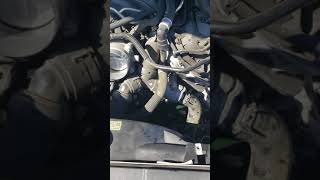
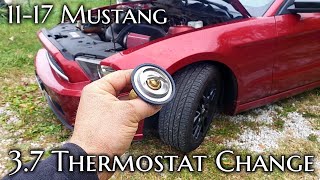
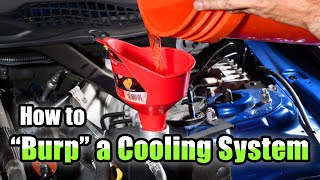
Replacing the thermostat on a Mustang is a feasible DIY project for those with some mechanical skill. The part is generally easy to access after removing the air intake tube. 🎬 See this walkthrough for replacing a Mustang V6 thermostat. The biggest challenge is properly draining and refilling the coolant to avoid air pockets in the system, which can cause overheating issues. Always use a new gasket or O-ring and ensure the system is properly "burped" of air.
🎬 Watch how to properly burp air from your cooling system.Frequently Asked Questions (FAQ)
Are there any recalls for the 2012-2019 Mustang thermostat?
No, searches of the National Highway Traffic Safety Administration (NHTSA) database did not find any specific recalls for the engine coolant thermostat on 2012-2019 Ford Mustangs. Always check for the latest information using your vehicle's VIN.
What is a P0128 code?
The P0128 trouble code means "Coolant Temperature Below Thermostat Regulating Temperature." This is the most common code associated with a thermostat that is stuck open. The engine's computer expects the engine to warm up within a certain time, and if it doesn't, it triggers this code and the Check Engine Light.
Should I use a lower temperature thermostat?
For most stock Mustangs used for daily driving, the answer is no. A lower temperature thermostat is designed for performance applications where the engine is frequently under high load, such as on a race track. Using one on a stock daily driver can lead to reduced fuel efficiency, poor heater performance in winter, and may not allow the engine oil to get hot enough to burn off contaminants. Stick with the OEM temperature unless you have a modified engine with a custom tune.
What coolant should I use for my Mustang?
Ford has specific coolant requirements. For this generation of Mustang, you should use Motorcraft Orange or Yellow Antifreeze/Coolant, depending on the exact model year and what is currently in the system. Check your owner's manual to be certain. Mixing coolant types can cause gelling and blockages in the cooling system.
Helpful Videos
Technical Specifications
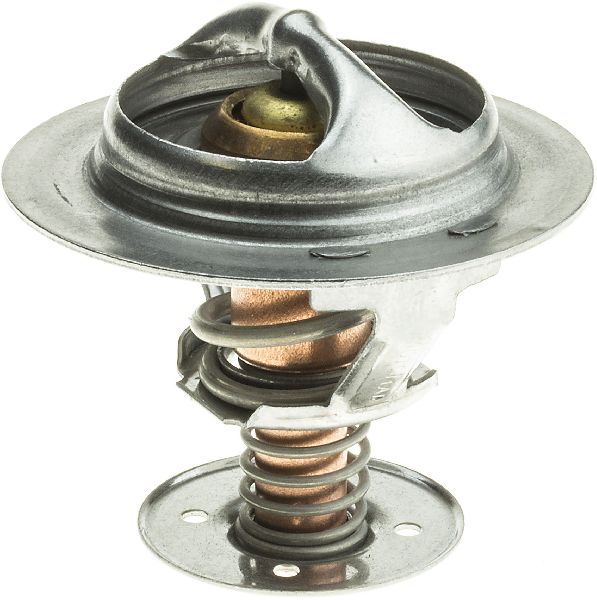
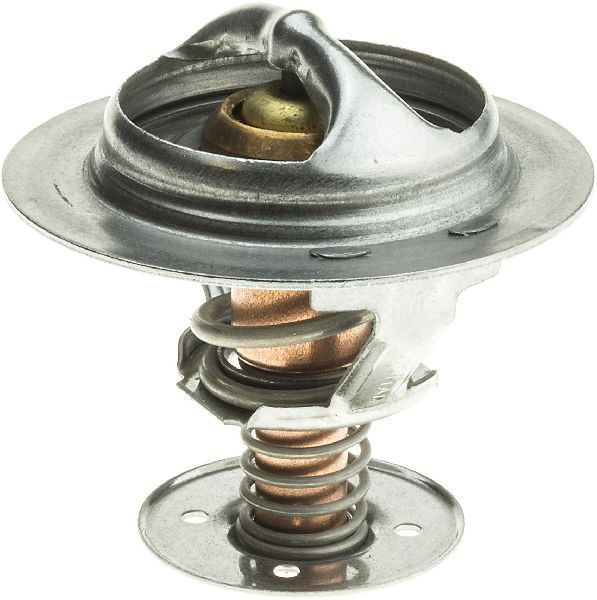
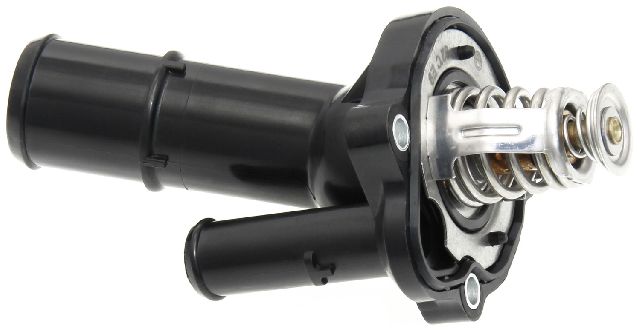
OEM Part Numbers: BR3Z-8575-B FR3Z-8592-A RT-1234 RT-1215
Standard temperature ratings are typically 180°F, 188°F, or 190°F depending on the specific engine (V6, EcoBoost, V8). The thermostat is located on the front of the engine, inside a housing connected to the upper radiator hose.
We Have This Part in Stock


The information in this article is provided for general reference and educational purposes only. Vehicle specifications, procedures, and part compatibility can vary by production date, trim level, and region. Always consult your vehicle's factory service manual and verify part numbers before purchasing or performing repairs. Safety-critical components such as airbags, seat belts, and braking systems should be installed by a qualified professional.
- Ford Mustang: