

Choosing the Right Disc Brake Pads for Your 2012-2019 Honda Odyssey
Stop brake noise and improve stopping power on your minivan with the right set of aftermarket brake pads.
- For quiet, reliable braking, choose OEM-grade brands like Akebono, which are often the original supplier for Honda.
- If you own a 2018-2019 Odyssey, be aware of the recall for rear brake calipers that can cause a soft pedal; have a dealer check it if you have symptoms.
- Always service the brakes properly by cleaning and lubricating caliper slide pins and installing new hardware to prevent noise and sticking.
- For best results, replace brake rotors at the same time as the pads to ensure smooth, quiet stopping.
Is It Time for New Brake Pads?


Your Odyssey will give you clear signs when its brake pads are wearing out. Ignoring them can lead to more expensive repairs, like needing to replace the brake rotors as well. Be aware of these common symptoms:
- Squealing or Screeching: A high-pitched noise when you apply the brakes is often the first sign. This sound comes from a small metal tab called a wear indicator, which is designed to alert you that the pads are low.
- Grinding Noise: A loud, harsh grinding sound means the brake pad material is completely gone. This is a serious issue where metal is grinding against metal. Stop driving the vehicle and have the brakes serviced immediately. 🎬 Listen: What dangerous metal-on-metal grinding sounds like
- Vibrations: If you feel a pulsing or vibration in the brake pedal or steering wheel when you brake, it could mean the brake rotors are warped, often from the heat of worn-out pads.
- Longer Stopping Distance: If you notice your minivan takes longer to stop than it used to, your brake pads are likely worn and not creating enough friction.
- Pulling to One Side: If the vehicle pulls to the left or right when braking, it could be a sign of uneven wear or a problem with a brake caliper.
Known Issues for 2012-2019 Honda Odyssey Brakes
There is a safety recall for some 2018-2019 Honda Odyssey models related to the rear brake calipers. The caliper pistons may have had a coating that could lead to gas bubbles forming in the brake fluid, causing a soft or low brake pedal and reducing performance. The official fix is for a dealer to bleed the brakes. While this isn't a pad issue, if you have a soft pedal on these model years, it's important to have it checked. Additionally, Honda issued Technical Service Bulletins (TSBs) for 2011-2017 models for a soft or spongy brake pedal feel.
Choosing the Right Aftermarket Brake Pads

The aftermarket offers a wide variety of brake pads for your Odyssey. They can be grouped into tiers that help you balance cost and quality. For a heavy minivan, choosing a quality pad is important for safety and to avoid noise issues that are sometimes reported with cheaper parts.
Brand Quality Tiers
| Tier | Brands | Description |
|---|---|---|
| OEM Grade | Akebono, Advics | Akebono is a known Original Equipment Manufacturer (OEM) for Honda. Choosing these brands is the closest you can get to factory parts. They are known for quiet operation, low dust, and a perfect fit, making them a very safe and reliable choice for daily driving. |
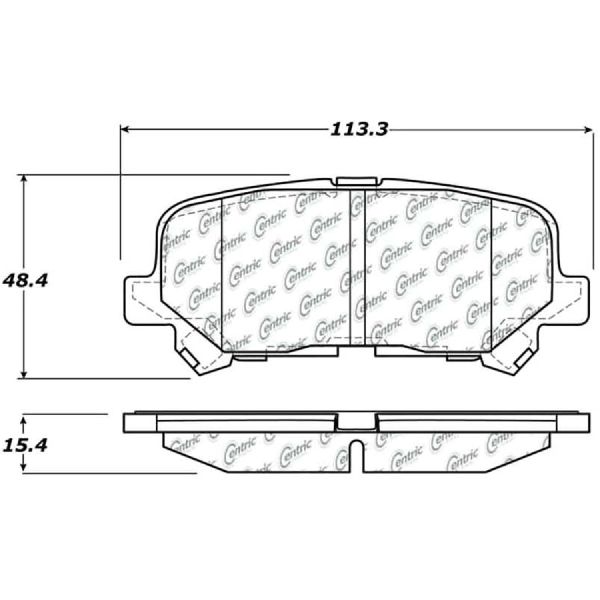
| Premium Aftermarket | Bosch, Wagner Brakes, Raybestos, Centric | These are trusted brands that offer excellent performance for daily driving. Pads like Bosch QuietCast and Wagner ThermoQuiet are popular for their balance of stopping power, low noise, and value. They often come with new hardware for a complete installation. |
| Performance / Heavy Duty | Powerstop, EBC Brakes, Brembo | If you frequently tow or live in a hilly area, these brands offer pads with superior heat resistance and stopping power. Powerstop kits with coated rotors are a popular upgrade. Be aware that some performance pads can be noisier and create more dust than OEM-style ceramic pads. |
| Economy | Pronto, Dynamic Friction, Beck Arnley | While these pads are the most affordable, they may not offer the same level of quietness or lifespan as premium options. For a heavy vehicle like the Odyssey, it is generally recommended to invest in at least a premium aftermarket pad to ensure quiet, reliable performance. |
Ceramic vs. Semi-Metallic
Most pads for the Odyssey are ceramic. Ceramic pads are quiet, produce very little brake dust, and are easy on your brake rotors. Semi-metallic pads offer better performance in very high-heat situations, like towing down a mountain, but they can be noisier and wear rotors faster. For most Odyssey owners, ceramic pads are the ideal choice.
Frequently Asked Questions (FAQ)

Do I need to replace my rotors with my brake pads?
It is highly recommended. While you can sometimes put new pads on old rotors, it can lead to noise and vibration if the rotors are not perfectly smooth. Installing new pads and rotors at the same time ensures the best performance and a clean transfer layer for the new pad material to bed into.
Why are my new aftermarket brakes making noise?
Noise after a brake job can have several causes. It could be from not lubricating the caliper slide pins or the pad contact points. Sometimes, lower-quality pads can be noisy on heavy vehicles like the Odyssey. Finally, new pads need to be "bedded-in" properly, which involves a series of controlled stops to mate the pad surface to the rotor. 🎬 See how to bed your new brake pads properly If the noise persists, have them inspected by a professional.
What is the difference between Akebono ProAct and Performance pads?
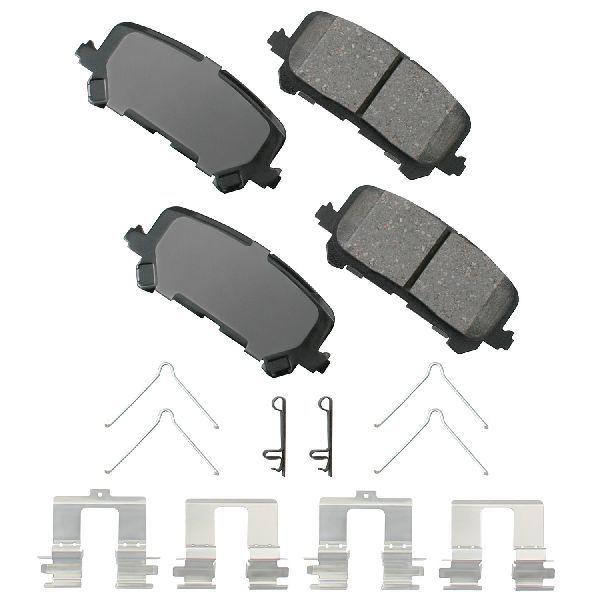
Akebono ProAct (ACT) pads are their standard, high-quality ceramic pads that meet or exceed OEM specifications for daily driving. The Akebono Performance (ASP) line is engineered for more demanding driving, offering improved stopping power and heat resistance. For most Odyssey drivers, the ProAct pads are the perfect choice, though some enthusiasts prefer the ASP line.
Can I replace brake pads myself?
Yes, replacing brake pads on a Honda Odyssey is a common DIY task for those with the right tools and some mechanical experience. You will need a jack and jack stands, a socket set, a C-clamp or caliper compression tool, and brake grease. However, brakes are a critical safety system, so if you are not 100% confident, it is best to have the work done by a qualified mechanic.
🎬 Watch: A complete walkthrough of the Honda Odyssey brake replacementHelpful Videos

Technical Specifications
OEM Part Numbers: 45022-TK8-A01 43022-TK8-A01 45022-SHJ-A50 43022-SHJ-A50
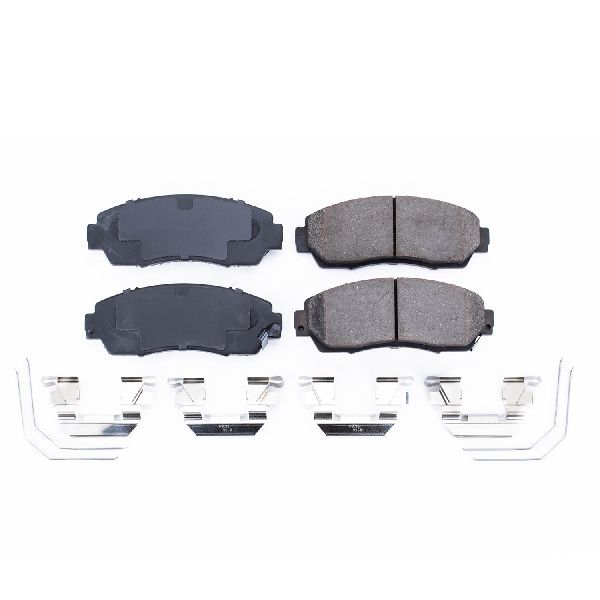
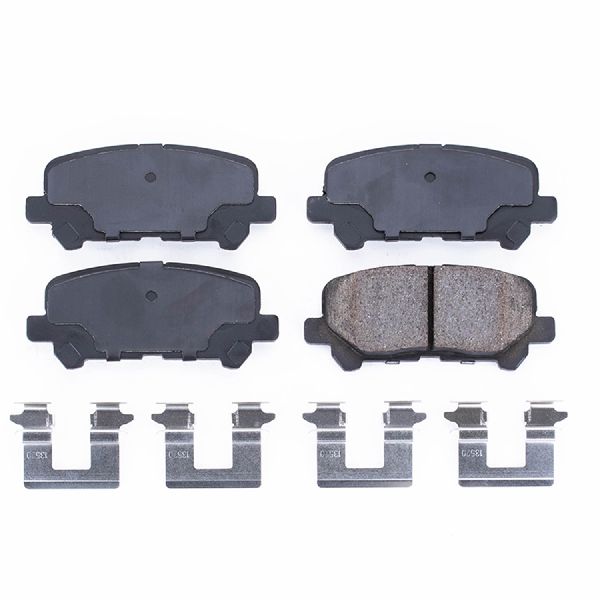
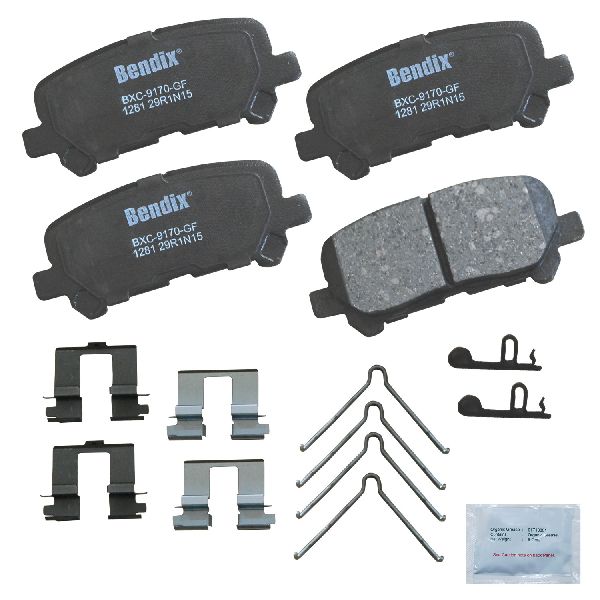
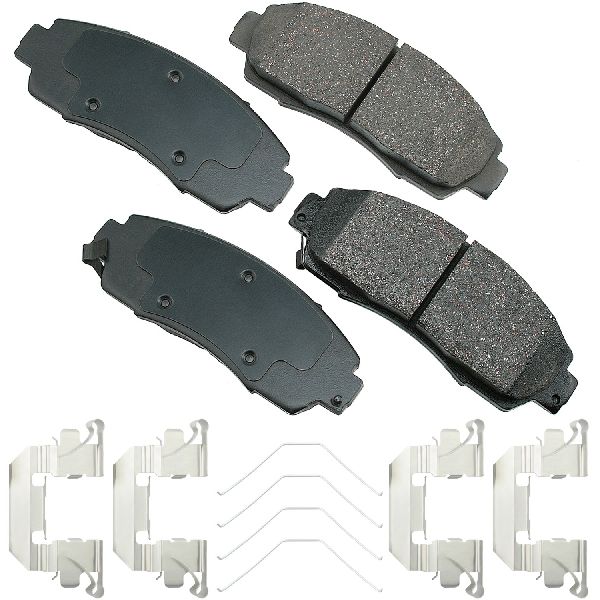
The 2012-2019 Honda Odyssey uses disc brakes on all four wheels. The front pads do the majority of the braking and typically wear out faster than the rear pads. Most aftermarket pads for this vehicle are of a ceramic composition for quiet operation and low dust.
We Have This Part in Stock

The information in this article is provided for general reference and educational purposes only. Vehicle specifications, procedures, and part compatibility can vary by production date, trim level, and region. Always consult your vehicle's factory service manual and verify part numbers before purchasing or performing repairs. Safety-critical components such as airbags, seat belts, and braking systems should be installed by a qualified professional.
- Honda Odyssey: