

Guide to Replacing Disc Brake Pads on Your 2012-2019 Kia Forte5
Everything you need to know about choosing the right new aftermarket brake pads for your Forte5.
- The Forte5 was sold in the US from 2014-2018; check your specific model year before ordering parts.
- You will need a special tool to rotate the rear caliper pistons back in; a C-clamp will not work.
- High-quality ceramic pads from brands like Bosch, Akebono, or Wagner are excellent choices for daily driving.
- Always inspect caliper slide pins for corrosion and lubricate them to prevent seized calipers and uneven wear.
Understanding Your Forte5's Brakes
Your 2012-2019 Kia Forte5 uses a disc brake system on both the front and rear wheels. The brake pads are the part designed to wear out. It's important to replace them before they wear down completely. This prevents damage to more expensive parts like your brake rotors and calipers. The original pads on most Forte5 models are ceramic, which provides a good balance of quiet operation and stopping power.
A Note on Model Years
The vehicle name and year range can be a point of confusion. In the North American market, the "Forte5" hatchback was officially sold from model years 2014 to 2018. Models from 2012-2013 were typically called the "Forte Hatchback". There was no 2019 Forte5 model sold in the US. This guide focuses on the 2014-2018 Forte5 but much of the information is applicable to similar Forte models.
Symptoms of Worn Brake Pads
Your Kia will give you clear signs when it's time for new brake pads. Ignoring them can lead to more dangerous and expensive problems.
- Squealing or Screeching Noises: This is often the first sign. A small metal tab called a wear indicator touches the rotor, making a high-pitched noise when the pads are thin.
- Grinding Sounds: If you hear grinding, stop driving as soon as it's safe. This means the pads are completely worn away, and metal is grinding against metal. This can quickly destroy your brake rotors.
- Vibrations in the Pedal or Steering Wheel: Shaking when you brake can mean your brake rotors are warped, often as a result of driving with worn pads for too long.
- Longer Stopping Distances: If your car takes longer to stop than it used to, or the brake pedal feels soft and spongy, your pads may be worn out or there could be another issue with the brake system like a fluid leak.
- Brake Warning Light: An illuminated brake light on your dashboard is a clear signal to have your brake system inspected immediately.
Known Issues, Recalls, and TSBs
While there are no widespread recalls specifically for the brake pads on the 2014-2018 Forte5, some related issues have been noted:
- Recall SC158 (2012-2014 Models): Some earlier Forte models were recalled for a deteriorating brake pedal stopper pad. This small plastic piece could break down, causing the brake lights to stay on or allowing the car to be shifted out of park without pressing the brake. While not a brake pad issue, it's a critical safety recall to be aware of for these model years.
- Corroding Brake Lines: Some owners have reported issues with brake lines corroding prematurely, which can lead to a loss of brake fluid and a soft pedal or complete brake failure.
- Seized Caliper Pins: In some cases, especially in areas with road salt, the rear caliper guide pins can corrode and freeze. This prevents the pads from making proper contact with the rotor, leading to a loss of rear braking and uneven pad wear. Regular cleaning and lubrication of these pins during a brake job is critical.
Choosing the Right Aftermarket Brake Pads
You don't need to buy parts from the Kia dealer to get good quality. Many aftermarket brands offer excellent, and sometimes superior, performance. They generally fall into a few categories:
Tier 1: OEM-Quality & Premium Brands
These brands are known for meeting or exceeding the quality of the original factory pads. They provide quiet, reliable stopping power for daily driving. Many users in forums recommend these for a balance of performance and value.
- Akebono: Often considered a top-tier choice for quiet, low-dust ceramic pads.
- Bosch: A highly respected brand offering pads like the QuietCast line, which are engineered for quiet performance and durability.
- Brembo: While famous for high-performance brakes, their standard replacement pads are also a high-quality option.
- Wagner: Their OEX and TQ lines are well-regarded for quality construction and quiet operation.
- Raybestos: A long-standing brand with a reputation for dependable, OE-matching brake parts.
Tier 2: Performance & Upgrade Brands
If you want improved stopping power, especially for spirited driving, these brands offer pads with more aggressive friction materials. The trade-off can sometimes be more dust and potential for noise.
- EBC Brakes: Offers different compounds (Greenstuff, Redstuff) for various levels of performance.
- Powerstop: Very popular for their brake kits that often include drilled and slotted rotors. Their Z23 Evolution Sport pads are a common upgrade.
- Hawk Performance: Known for high-performance pads that offer excellent stopping power, though they can sometimes be noisy.
Tier 3: Daily Driver & Budget-Friendly Brands
These brands offer a reliable and affordable solution for normal daily driving. They are a great value and a significant step up from the cheapest options available.
- Centric / C-Tek: A popular choice on sites like RockAuto, offering solid quality for the price.
- Dynamic Friction: A brand that provides good quality and value for everyday use.
- ACDelco: While associated with GM, they offer quality aftermarket parts for many makes, including Kia.
| Pad Type | Typical Price Range | Best For |
|---|---|---|
| Budget / Daily Driver | $25 - $50 | Normal commuting, value-focused |
| OEM-Quality | $45 - $90 | Matching factory performance and quietness |
| Performance / Upgrade | $60 - $185+ | Improved stopping power, spirited driving |
Frequently Asked Questions
Do I need to replace my rotors with my pads?
It is highly recommended. While you can sometimes resurface rotors if they are within thickness specifications, installing new pads on a worn or uneven rotor surface will reduce braking performance and wear out the new pads much faster. For best results, always replace pads and rotors together.
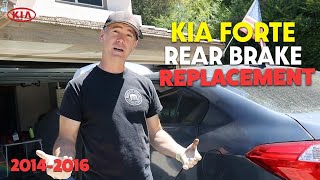
🎬 Follow this DIY tutorial for replacing both rear pads and rotors.What's the difference between ceramic and semi-metallic pads?
Ceramic pads, like the ones your Forte5 likely came with, are known for being quiet and producing less dust. Semi-metallic pads can offer better performance in extreme temperatures and are often used in performance or heavy-duty applications, but they can be noisier and create more dust. For most Forte5 owners, quality ceramic pads are the best choice.
Can I replace just the front or rear brake pads?
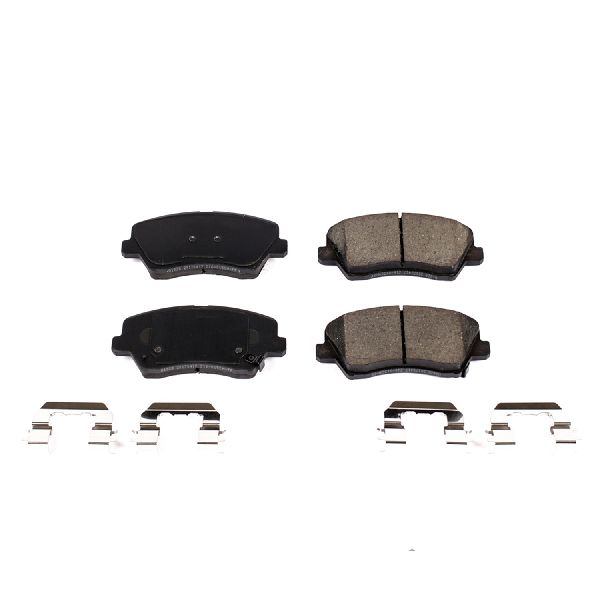
Yes. Brake pads are replaced in pairs on the same axle (both front wheels or both rear wheels). Front brake pads typically wear out faster than the rears because they handle most of the braking force.
Is any special tool needed for the rear brakes?
Yes. The rear calipers on the Kia Forte5 have an integrated parking brake mechanism. The caliper piston must be rotated clockwise as it is pushed back into the caliper. You will need a brake caliper piston tool (often available as a cube or a more extensive kit) to do this without damaging the caliper. A standard C-clamp will not work for the rear pistons.
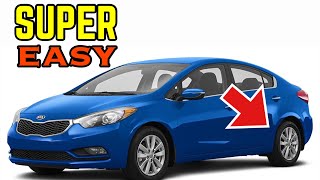
🎬 Watch this video to see how to replace rear brake pads.Helpful Videos
Technical Specifications
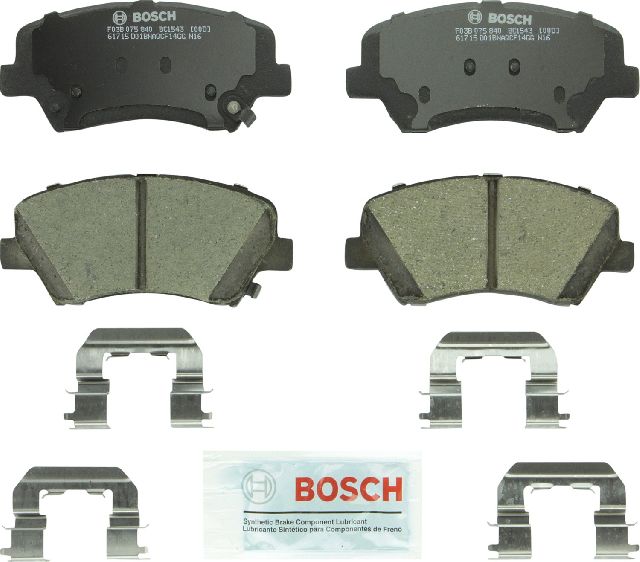
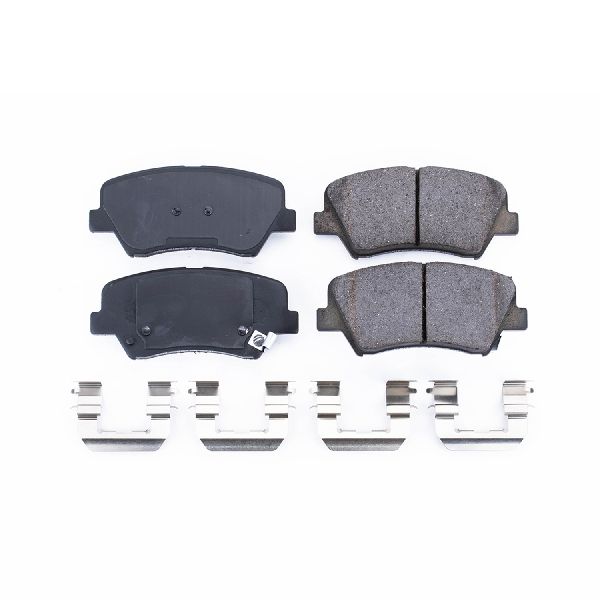
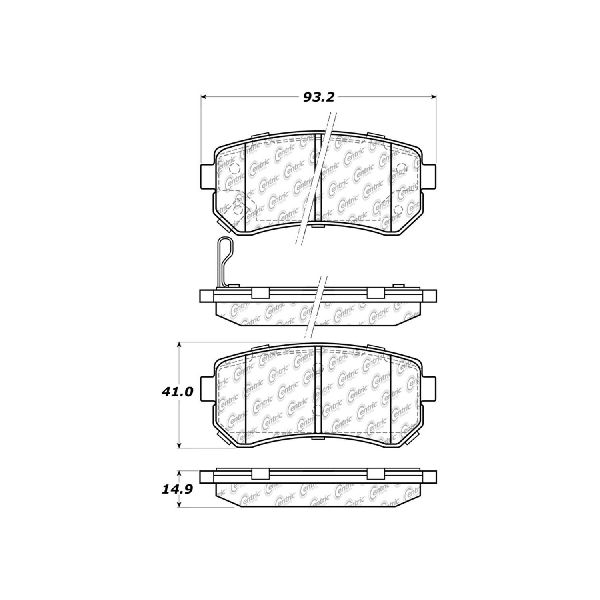
OEM Part Numbers: 58302-A7B30
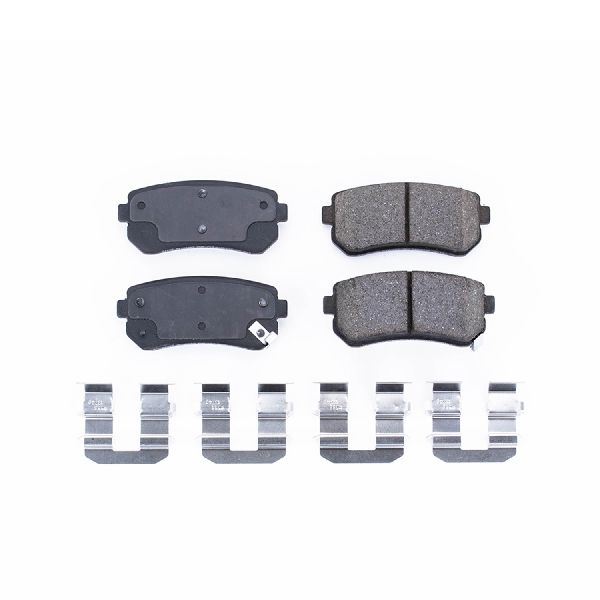
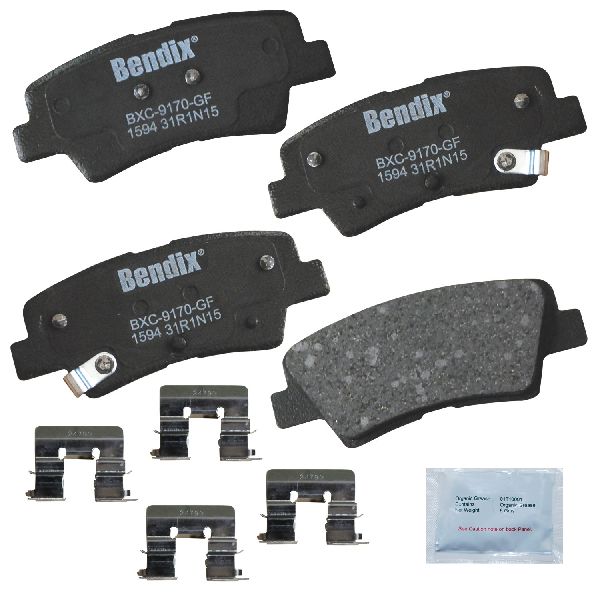
The rear brakes require a special tool to rotate the caliper piston during compression. Most OEM and quality aftermarket pads for this vehicle are of a ceramic composition.
We Have This Part in Stock

The information in this article is provided for general reference and educational purposes only. Vehicle specifications, procedures, and part compatibility can vary by production date, trim level, and region. Always consult your vehicle's factory service manual and verify part numbers before purchasing or performing repairs. Safety-critical components such as airbags, seat belts, and braking systems should be installed by a qualified professional.
- Kia Forte5:
- 🎬 Helpful Videos
- 🛍️ Shop This Part
- Understanding Your Forte5's Brakes
- A Note on Model Years
- Symptoms of Worn Brake Pads
- Known Issues, Recalls, and TSBs
- Choosing the Right Aftermarket Brake Pads
- Tier 1: OEM-Quality & Premium Brands
- Tier 2: Performance & Upgrade Brands
- Tier 3: Daily Driver & Budget-Friendly Brands
- Frequently Asked Questions
- 🎟️ Get 5% Off