

Kia Forte5 Oxygen Sensor Guide (2012-2019): Choosing the Right Replacement
A failing oxygen sensor can hurt your fuel economy and engine performance; here’s how to fix it right.
- A bad oxygen sensor will cause a check engine light, poor gas mileage, and rough running.
- For best results, choose an OEM supplier brand like NGK/NTK or Denso for your Kia Forte5.
- A P0420 code is often caused by a bad downstream O2 sensor, not a failed catalytic converter. Check the sensor first.
- This is a DIY-friendly repair, but you will need a special oxygen sensor socket to do the job.
Is Your Kia Forte5 Oxygen Sensor Failing?
A bad oxygen sensor won't leave you stranded, but it will cause problems. The most obvious sign is a Check Engine Light on your dashboard. You might also notice your engine running rough, hesitating when you accelerate, or idling poorly. Another big clue is a drop in fuel economy because the engine computer can't get the air-fuel mixture right. In some cases, you might smell a 'rotten egg' odor from the exhaust or see black smoke, which is a sign of unburned fuel getting into the exhaust system. Ignoring a bad O2 sensor for too long can damage your expensive catalytic converter, so it's best to replace it sooner rather than later.
Don't Replace Your Catalytic Converter Yet!
If you have a P0420 trouble code, which means "Catalyst System Efficiency Below Threshold," don't assume you need a new catalytic converter. A faulty downstream (Sensor 2) oxygen sensor can often trigger this code. Always diagnose or replace the O2 sensor first, as it's a much cheaper repair.
Choosing the Right Aftermarket Oxygen Sensor
Not all aftermarket sensors are created equal. For a critical part like this, brand quality matters. Here’s a breakdown of the brands available for your 2012-2019 Forte5.
Tier 1: OEM Supplier Brands (Best Choice)
These brands are the original equipment manufacturers for Kia and many other carmakers. Choosing one of these is like getting the dealer part without the dealer price. They are engineered for a perfect fit and long life.
- NGK / NTK: NGK (under the NTK brand for sensors) is a world-leading OEM supplier of oxygen sensors. They are known for quality that meets or exceeds what the car came with from the factory. This is a top-tier, reliable choice.
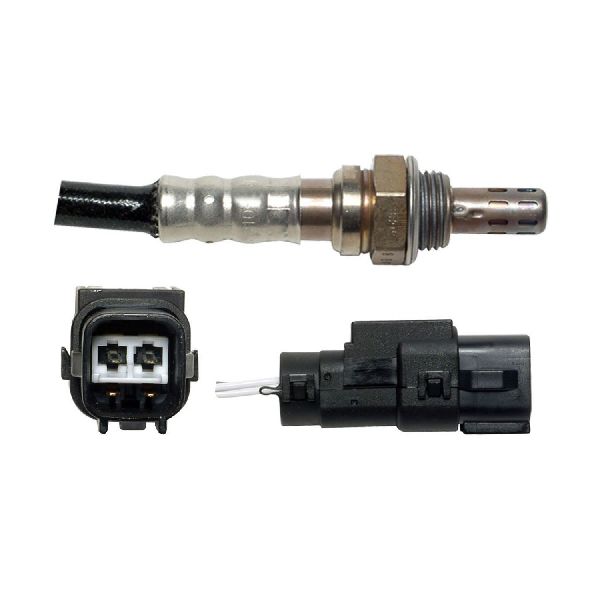
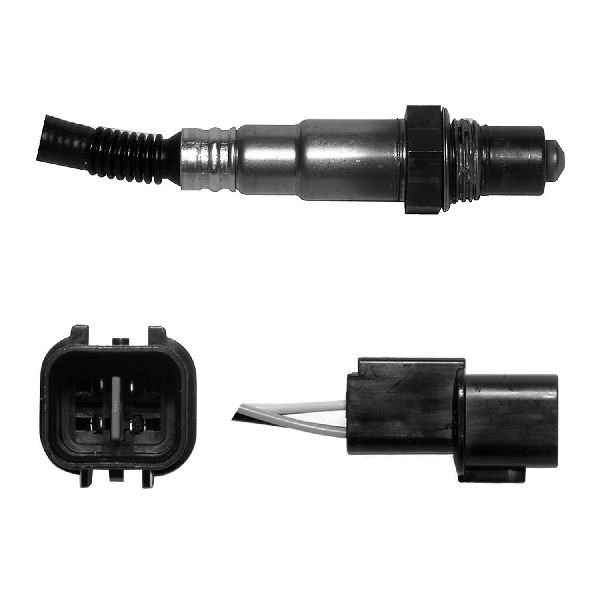
- Denso: Denso is another massive OEM supplier, and their aftermarket sensors are made to the same strict standards as their factory parts. You can't go wrong with a Denso sensor; it's often the exact part that was in your car originally.
Tier 2: Reputable Aftermarket Brands
These brands have a long history of making quality replacement parts. They offer a great balance of performance and price.
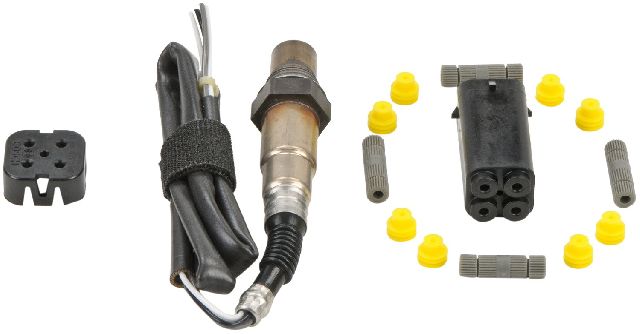
- Bosch: Bosch actually invented the oxygen sensor and is a huge name in auto parts. Their sensors are high-quality and widely trusted. While some mechanics prefer to stick with the OEM Japanese or Korean brands (Denso/NGK) for imports, Bosch is still a very solid and reliable option.
Tier 3: Economy Brands
These brands offer a lower price point, which can be attractive for budget repairs.
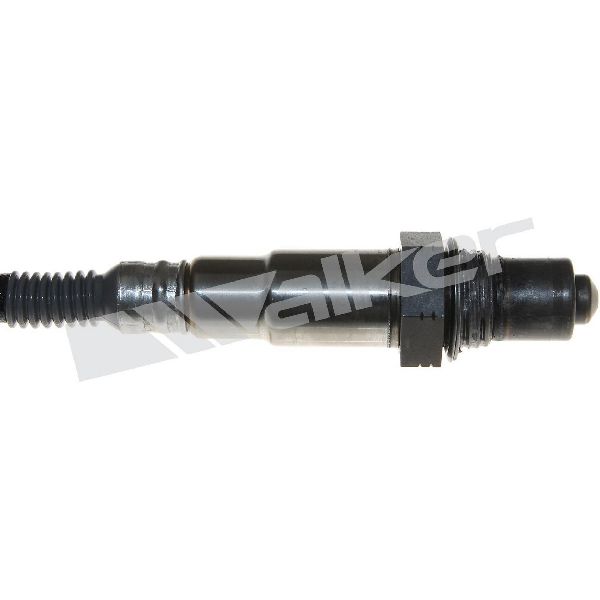
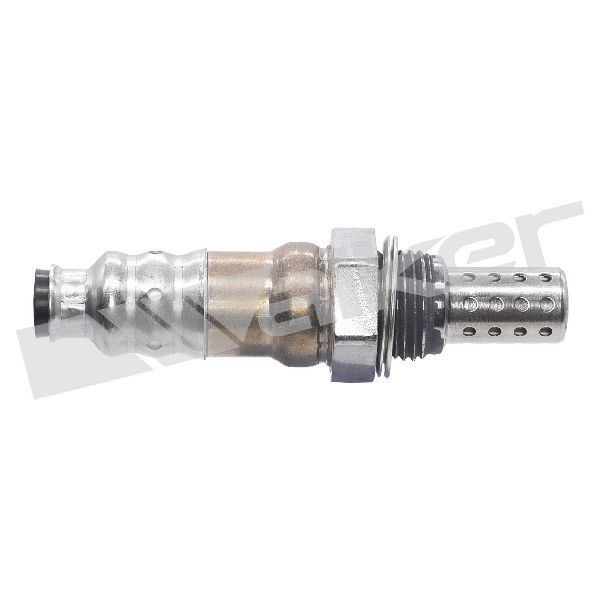
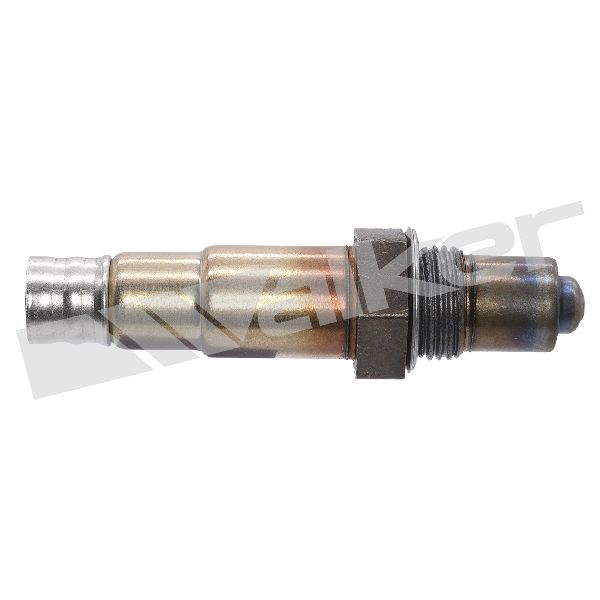
- DriveWire, Encore Automotive, Facet, Walker Products: These brands provide a functional replacement that can get your car back on the road and turn off the check engine light. While they may not have the same long-term durability or precise calibration as the OEM supplier brands, they are a cost-effective solution.
Upstream vs. Downstream
Your Forte5 has at least two oxygen sensors: one upstream (before the catalytic converter) and one downstream (after it). They are different parts and are not interchangeable. The upstream sensor is also called "Sensor 1" and the downstream is "Sensor 2". Double-check which one you need before ordering.
Cost of Replacing a Kia Forte5 Oxygen Sensor
The cost depends on whether you do it yourself or take it to a shop. The part itself can range from under $70 to over $200 depending on the brand and position (upstream or downstream).
| Service | Estimated Cost |
|---|---|
| Aftermarket Oxygen Sensor (DIY) | $69.93 - $217.50 |
| Shop Labor | $76 - $111 |
| Total at a Repair Shop (Estimate) | $300 - $432+ |
Frequently Asked Questions (FAQ)
How many oxygen sensors does my 2012-2019 Kia Forte5 have?
Most four-cylinder engines, like those in the Forte5, have two oxygen sensors: one upstream (Bank 1, Sensor 1) and one downstream (Bank 1, Sensor 2). The upstream sensor is for fuel control, while the downstream sensor monitors the catalytic converter.
Can I replace an oxygen sensor myself?
Yes, this is a very DIY-friendly job for most home mechanics. The upstream sensor is usually accessible from the top of the engine bay, while the downstream sensor is accessed from under the car. The biggest challenge can be the old sensor being seized or rusted in place. Using penetrating oil can help.
Do I need a special tool to replace an oxygen sensor?
Yes, it is highly recommended to use a special oxygen sensor socket. This socket has a slot down the side that allows it to fit over the sensor's electrical wire. Using a regular deep socket won't work because the wire is in the way. You can often rent this tool from auto parts stores.
Should I replace both sensors at the same time?
You don't have to, but it's often a good idea. Oxygen sensors wear out over time, so if one has failed, the other may not be far behind. Replacing them together can save you from having to do the job again in the near future.
Are there any recalls for the Kia Forte5 oxygen sensor?
No, as of now, there are no specific recalls or technical service bulletins (TSBs) from Kia or the NHTSA for failing oxygen sensors on the 2012-2019 Kia Forte5.
Technical Specifications
Your 2012-2019 Kia Forte5 uses at least two oxygen sensors: an upstream sensor (Bank 1, Sensor 1) and a downstream sensor (Bank 1, Sensor 2). The upstream sensor is a wideband or air-fuel ratio sensor, while the downstream is a switching-type sensor. They are not interchangeable. Ensure you purchase the correct sensor for the specific position.
We Have This Part in Stock

The information in this article is provided for general reference and educational purposes only. Vehicle specifications, procedures, and part compatibility can vary by production date, trim level, and region. Always consult your vehicle's factory service manual and verify part numbers before purchasing or performing repairs. Safety-critical components such as airbags, seat belts, and braking systems should be installed by a qualified professional.
- Kia Forte5:
- 🛍️ Shop This Part
- Is Your Kia Forte5 Oxygen Sensor Failing?
- Don't Replace Your Catalytic Converter Yet!
- Choosing the Right Aftermarket Oxygen Sensor
- Tier 1: OEM Supplier Brands (Best Choice)
- Tier 2: Reputable Aftermarket Brands
- Tier 3: Economy Brands
- Upstream vs. Downstream
- Cost of Replacing a Kia Forte5 Oxygen Sensor
- Frequently Asked Questions (FAQ)
- 🎟️ Get 5% Off