

2012-2019 Mazda 3 Ignition Knock Sensor: Symptoms & Replacement Guide
A bad knock sensor can cause poor performance and fuel economy in your Mazda 3.
- A check engine light with codes P0327 or P0328 is the most common sign of a bad knock sensor on a Mazda 3.
- Replacement requires removing the intake manifold, so it's a moderately difficult job. Always replace the intake gaskets at the same time.
- For this critical part, it is highly recommended to use an OEM or a top-tier aftermarket brand like NGK (NTK) or Delphi to ensure reliability.
- Driving with a bad knock sensor will cause poor performance and fuel economy, and you will fail an emissions test.
Symptoms of a Failing Knock Sensor
A knock sensor failure isn't always obvious, but it almost always triggers the Check Engine Light. When the sensor goes bad, the engine computer can no longer get a signal, or the signal it gets is out of the expected range. The computer then defaults to a 'safe' mode, which can lead to noticeable performance issues.
- Check Engine Light: This is the most common symptom. You'll likely see codes P0327 (Circuit Low Input) or P0328 (Circuit High Input).
- Poor Engine Performance: Your car may feel sluggish and accelerate slowly. This is because the computer retards the ignition timing to prevent potential engine damage it can no longer monitor for.
- Reduced Fuel Economy: The less efficient 'safe mode' often results in the engine using more fuel than normal.
- Audible Pinging/Knocking: In some cases, you might hear a metallic pinging sound from the engine, especially under load. This is the actual engine knock that a working sensor is supposed to prevent.
Is it a Bad Sensor or Something Else?
While codes P0327 and P0328 strongly point to a faulty knock sensor, the issue can sometimes be a wiring problem or a poor connection at the sensor's plug. Given the labor involved in replacement, it's worth inspecting the wiring harness 🎬 See how to access and test the sensor on Skyactiv engines. for any visible damage before ordering a new part.
Choosing the Right Aftermarket Knock Sensor
For a critical sensor like this, brand quality matters. While OEM is always a safe bet, several aftermarket brands offer a good balance of quality and price. The key is to avoid unproven, no-name brands, as a faulty replacement will just mean doing the job all over again.
- Top-Tier Aftermarket (Recommended): Brands like NGK (NTK) and Delphi are often original equipment suppliers and are highly trusted for their sensors. They are engineered to meet or exceed OEM specifications for performance and durability.
- Reliable Aftermarket: Standard Ignition (SMP) and Beck Arnley are well-regarded in the aftermarket. They provide a dependable alternative to OEM with a solid track record.
- Budget-Friendly: Brands like Walker Products, Facet, and Global Parts are more affordable. While they can be a viable option for a tight budget, their long-term reliability may not match that of the top-tier brands.
Known Issues, Recalls & TSBs
Searches for the 2012-2019 Mazda 3 did not reveal any specific recalls or Technical Service Bulletins (TSBs) from Mazda or the NHTSA directly related to knock sensor failure. Forum discussions among owners indicate that knock sensor failure is a known, though not excessively common, issue that can occur as the vehicle ages.
Installation Details
Replacing the knock sensor on the 2012-2019 Mazda 3 with either the 2.0L or 2.5L Skyactiv engine is a moderately difficult job for a DIYer. The sensor is located on the front of the engine block, but it is buried underneath the intake manifold.
🎬 Watch this step-by-step guide to replacing the Mazda 3 knock sensor.Pro Tip: Because the intake manifold must be removed, you will need to replace the intake manifold gaskets. It's essential to buy these gaskets along with your new knock sensor. Also, make sure to torque the new knock sensor to the correct specification (typically 15-18 ft-lbs) as this is critical for its proper function.
Cost to Replace a Mazda 3 Knock Sensor
| Part/Service | Estimated Cost |
|---|---|
| New OEM Sensor | $120 - $220 |
| New Aftermarket Sensor | $37 - $212 |
| Shop Labor | $200 - $350 |
Frequently Asked Questions (FAQ)
Where is the knock sensor located on a 2012-2019 Mazda 3?
The knock sensor is bolted to the front of the engine block, underneath the plastic intake manifold. You must remove the intake manifold to access and replace it.
What happens if I don't replace a bad knock sensor?
Your engine will run in a safe, detuned mode, resulting in poor acceleration and higher fuel consumption. While the car is driveable, you won't be able to pass an emissions test with the Check Engine Light on, and you risk potential long-term engine damage if real engine knock occurs and the computer can't correct for it.
Is the knock sensor the same for the 2.0L and 2.5L engines?
Yes, for the 2012-2019 model years, the same knock sensor part number is typically used for both the 2.0L and 2.5L Skyactiv engines. However, always verify fitment with your vehicle's specific year and engine before purchasing.
Can I use a cheap knock sensor?
It is not recommended. The knock sensor is a sensitive piezoelectric microphone, and its accuracy is critical. Cheaper sensors may fail prematurely or provide inaccurate readings, causing performance issues. Given the significant labor to replace it, it's best to use a quality OEM or top-tier aftermarket brand like NGK or Delphi.
Helpful Videos
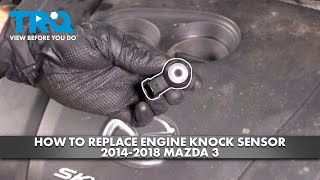
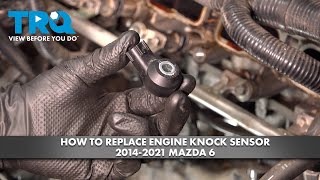
Technical Specifications
OEM Part Numbers: PE01-18-921 LF02-18-921 ZJ01-18-921 L807-18-921 P31E-18-921
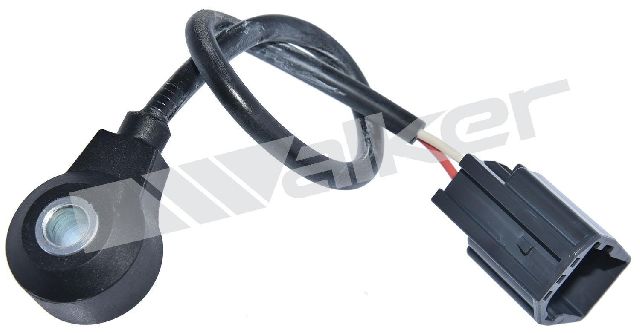
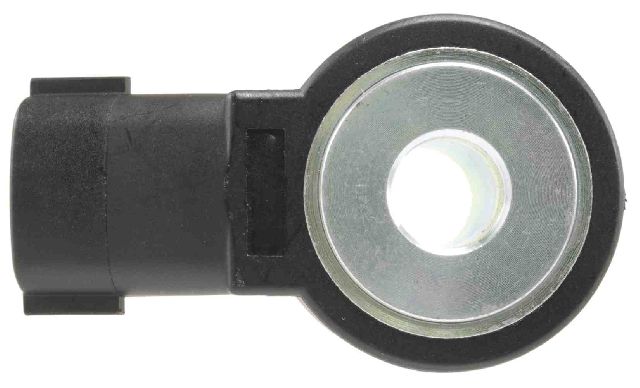
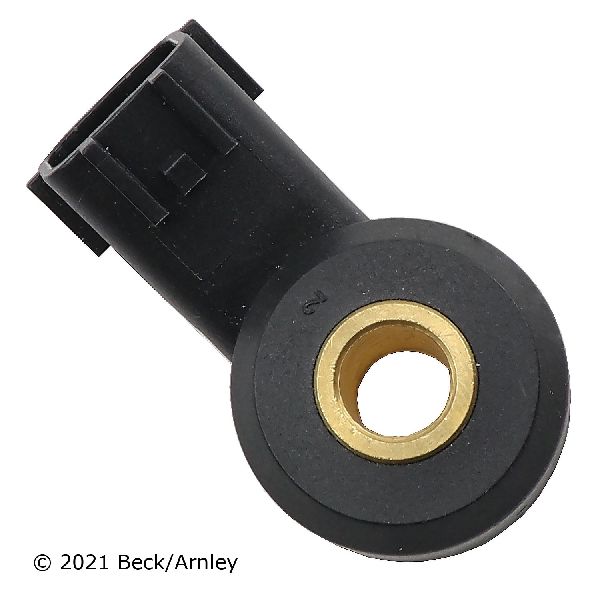
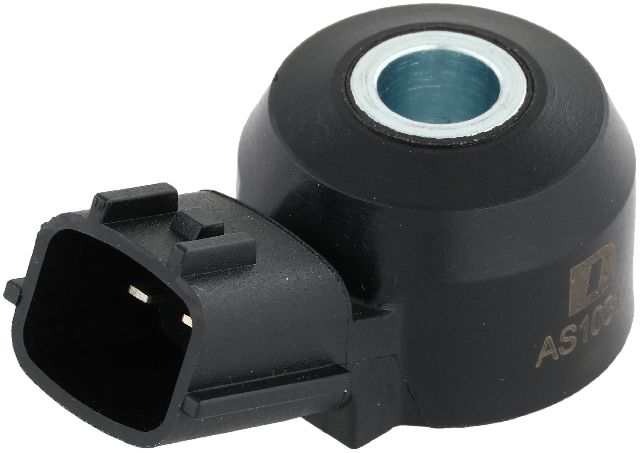
The knock sensor is a single-bolt mount piezoelectric sensor with a 2-pin electrical connector. It is located on the engine block, under the intake manifold. The retaining bolt must be torqued to specification (approx. 15-18 ft-lbs) for proper operation.
We Have This Part in Stock


The information in this article is provided for general reference and educational purposes only. Vehicle specifications, procedures, and part compatibility can vary by production date, trim level, and region. Always consult your vehicle's factory service manual and verify part numbers before purchasing or performing repairs. Safety-critical components such as airbags, seat belts, and braking systems should be installed by a qualified professional.
- Mazda 3: