

A Guide to the Manifold Absolute Pressure (MAP) Sensor for the 2012-2019 Volkswagen Beetle
Understand the common issues and choose the right replacement MAP sensor for your VW Beetle's engine.
- Before replacing the MAP sensor for a P0106 code, first inspect and clean the throttle body and check the PCV system for faults.
- A software update from a VW dealer may be required to fix a false P0106 code, as noted in TSB V011423.
- For the best quality and reliability, choose an OEM-equivalent brand like Bosch, which is an original supplier to Volkswagen.
- Replacement is simple for a DIYer, typically requiring only basic tools and taking less than 30 minutes.
Is Your Beetle's MAP Sensor Failing?


A bad Manifold Absolute Pressure (MAP) sensor can cause a range of engine problems. Because it provides critical data for the air-fuel mixture, a faulty sensor can make your Beetle run poorly. You might notice one or more of these signs.
- Check Engine Light: This is often the first sign. A code scanner will likely show a trouble code, most commonly P0106.
- Rough Idle: The engine may shake or vibrate at idle because the air-fuel mixture is incorrect.
- Poor Fuel Economy: If the sensor sends a wrong signal, the engine might use more fuel than necessary.
- Lack of Power or Hesitation: The car may feel sluggish when you accelerate.
- Black Smoke from Exhaust: This indicates a rich fuel mixture, meaning too much fuel is being burned.
Important: A P0106 Code Might Not Be a Bad MAP Sensor
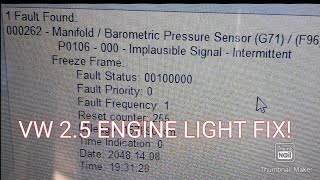
For the 2012-2019 Beetle, especially those with the 2.5L engine, the trouble code P0106 (Manifold Abs. Pressure or Bar. Pressure Range/Performance) is very common. However, this code is often caused by other issues, not a failed sensor. Volkswagen even issued a Technical Service Bulletin (TSB V011423) because the original engine software was too sensitive and could trigger the code by mistake. The fix was a software update from the dealer.
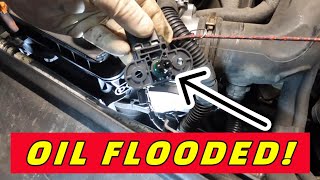
🎬 Watch: How to fix P0106 codes on the 2.5L engineBefore you replace the MAP sensor, it is critical to check for two common problems:
- Dirty Throttle Body: A failing Positive Crankcase Ventilation (PCV) system can allow oil vapors to build up as carbon inside the throttle body. This disrupts airflow and can trigger a P0106 code.
- Oil Contamination: The same PCV issue can cause oil to pool in the intake manifold and contaminate the MAP sensor itself.
Pro Tip: Before buying a new sensor, remove the air intake duct and inspect the throttle body for carbon buildup. If it's dirty, clean it with throttle body cleaner and a rag. 🎬 See how to clean the throttle body and intake airflow Also, check for oil in the intake manifold, which points to a bad PCV valve. Solving these issues first may fix your problem without needing a new sensor.
Choosing the Right Aftermarket MAP Sensor

If you have confirmed the sensor itself is faulty, you have several aftermarket options. Not all brands offer the same level of quality and reliability. They can be grouped into tiers.
Tier 1: OEM-Equivalent Brands
These brands are known to manufacture parts for Volkswagen or produce parts that meet or exceed original specifications. They are the most reliable choice for a direct replacement.
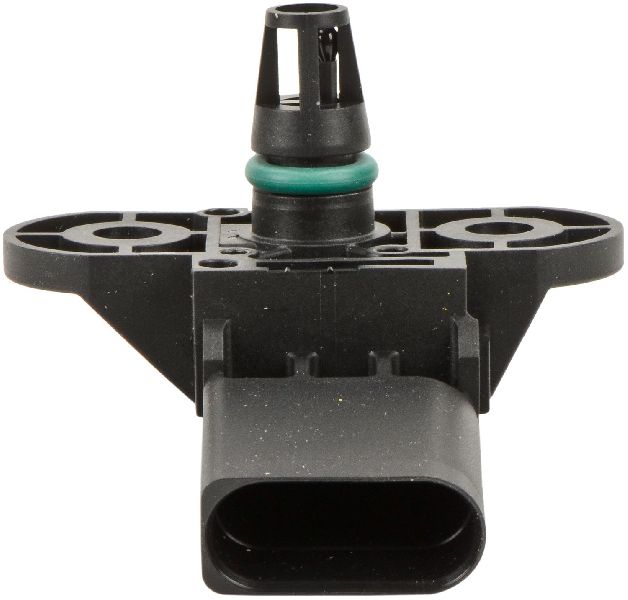
- Bosch: Bosch is a well-known Original Equipment Manufacturer (OEM) for Volkswagen. Choosing a Bosch MAP sensor is often the same as getting a genuine VW part from the dealer, but at a lower cost. They are widely considered the top choice for quality and reliability.
- Delphi: Delphi is another major OE-level supplier with a strong reputation for producing quality electronic components and sensors. They are a solid alternative to Bosch.
Tier 2: Reputable Aftermarket Brands
These companies specialize in aftermarket parts and offer a balance of quality and value. They are generally reliable but may not have the same exact specifications as the original part.
- Standard Ignition (SMP): A long-standing brand that produces a wide range of sensors. Quality can be good, but some user reviews suggest it can be inconsistent for certain applications.
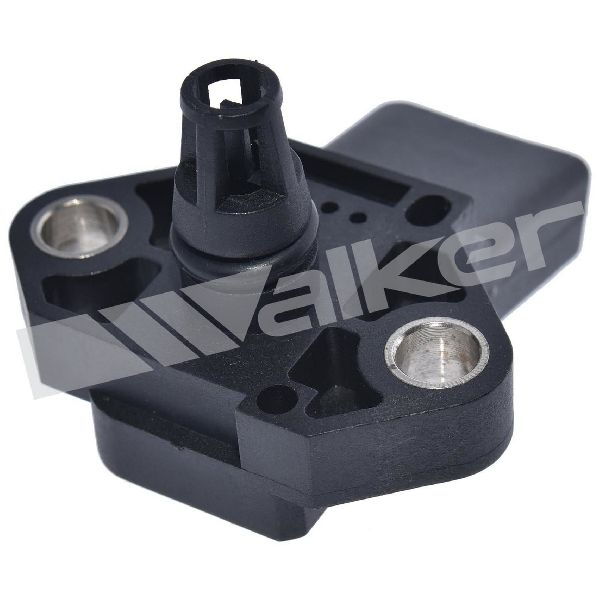
- Walker Products: This brand focuses on fuel and engine management parts and states their products are 100% tested to meet OE standards.
- NGK: While famous for spark plugs, NGK also produces a line of sensors under the NTK brand, which are generally well-regarded.
Tier 3: Budget-Friendly Brands
These brands offer the most affordable options. They can be a good choice if budget is the primary concern, but be aware that their long-term reliability and performance may not match the higher-tiered brands.
- Facet
- Global Parts
- Hella
- True Tech
- Vemo
| Tier | Brands | Best For |
|---|---|---|
| 1: OEM-Equivalent | Bosch, Delphi | Reliability and performance matching the original part. |
| 2: Reputable Aftermarket | Standard Ignition, Walker Products, NGK/NTK | A good balance of price and quality from established brands. |
| 3: Budget-Friendly | Facet, Vemo, Hella, and others | Lowest cost, for when budget is the main priority. |
Frequently Asked Questions (FAQ)
Is my MAP sensor definitely bad if I have a P0106 code?
Not necessarily, especially on the 2.5L engine. A P0106 code on a 2012-2019 Beetle is frequently caused by a dirty throttle body, a faulty PCV system allowing oil into the intake, or a need for an ECU software update per TSB V011423. Always investigate these other possibilities before replacing the sensor.
Are there any recalls for the VW Beetle MAP sensor?
No. As of late 2024, there are no specific safety recalls issued by the NHTSA for the Manifold Absolute Pressure sensor on the 2012-2019 Volkswagen Beetle. Recalls for this vehicle have focused on other issues like airbags.
Can I clean my MAP sensor?
Yes, you can attempt to clean the sensor, especially if you suspect oil contamination. Use a dedicated Mass Air Flow (MAF) sensor cleaner, as it is safe for sensitive electronics. Do not use harsh chemicals like brake cleaner. Spray the cleaner into the sensor's port and let it air dry completely before reinstalling. However, if the sensor's internal electronics have failed, cleaning will not fix it.
Where is the MAP sensor located on my Beetle?
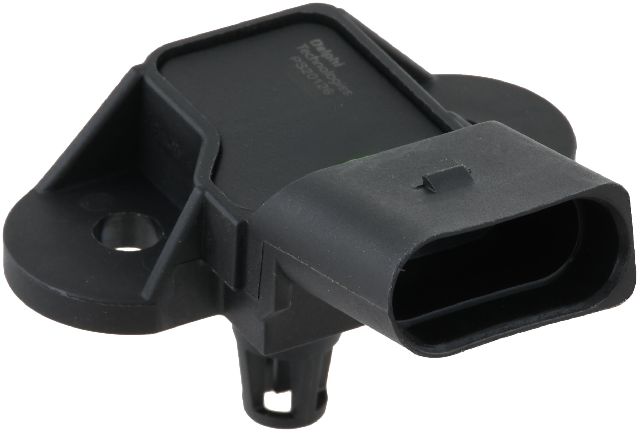
The MAP sensor is located on the engine's intake manifold. It is a small, black plastic sensor typically held in place by a single Torx bolt and connected to the wiring harness with a clip-on connector. It is easily accessible on most Beetle engines once the engine cover is removed.
🎬 Watch this walkthrough on how to replace the MAP sensorHelpful Videos


Technical Specifications
OEM Part Numbers: 03G906051M 03G906051E 038906051C 03C906051F 04E906051
The MAP sensor for the VW Beetle is typically a 3 or 4-pin plastic sensor that mounts directly to the intake manifold. It measures pressure and, in some versions (TMAP), temperature.
We Have This Part in Stock


The information in this article is provided for general reference and educational purposes only. Vehicle specifications, procedures, and part compatibility can vary by production date, trim level, and region. Always consult your vehicle's factory service manual and verify part numbers before purchasing or performing repairs. Safety-critical components such as airbags, seat belts, and braking systems should be installed by a qualified professional.
- Volkswagen Beetle:
- 🎬 Helpful Videos
- 🛍️ Shop This Part
- Is Your Beetle's MAP Sensor Failing?
- Important: A P0106 Code Might Not Be a Bad MAP Sensor
- Choosing the Right Aftermarket MAP Sensor
- Tier 1: OEM-Equivalent Brands
- Tier 2: Reputable Aftermarket Brands
- Tier 3: Budget-Friendly Brands
- Frequently Asked Questions (FAQ)
- 🎟️ Get 5% Off