

Volkswagen Jetta Oxygen Sensor Replacement Guide (2012-2019)
Diagnose and fix your Jetta's O2 sensor issues to restore fuel economy and engine performance.
- Bosch is the OEM supplier for many VWs, making it a top choice for aftermarket replacement.
- Always confirm if you need an upstream or downstream sensor before purchasing; they are not the same.
- Ignoring a bad O2 sensor can lead to costly damage to your catalytic converter.
- A special O2 sensor socket is highly recommended for DIY replacement to avoid damaging the part.
Symptoms of a Failing Oxygen Sensor in a Jetta

When an oxygen sensor starts to fail, your Jetta will give you several warning signs. Because the sensor can no longer provide accurate readings to the engine's computer, the air-fuel mixture becomes unbalanced, leading to noticeable problems.
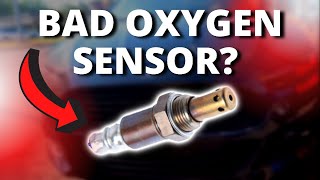
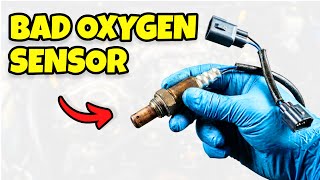
🎬 Watch: A visual guide to common bad O2 sensor symptoms- Check Engine Light: This is the most common symptom. A fault code, such as P0130, is stored in the computer, triggering the light on your dashboard.
- Poor Fuel Economy: A bad sensor can cause the engine to run rich (too much fuel), making you visit the gas station more often. This can lead to a 10-15% decrease in fuel efficiency.
- Rough Idle and Misfires: Your Jetta might idle unevenly, hesitate during acceleration, or even misfire because the engine isn't getting the right fuel mixture.
- Rotten Egg Smell: A strong smell of sulfur or rotten eggs from the exhaust is a sign that too much unburned fuel is passing through to the catalytic converter.
- Failed Emissions Test: A bad O2 sensor will cause your vehicle to produce higher levels of pollutants, resulting in a failed emissions test.
Don't Ignore a Bad O2 Sensor
Driving for too long with a faulty oxygen sensor can cause expensive damage. The incorrect fuel mixture can overheat and destroy your catalytic converter, a repair that costs significantly more than replacing the sensor itself.
Choosing the Right Aftermarket Oxygen Sensor

For the 2012-2019 Volkswagen Jetta, you have several good aftermarket options. Not all brands are created equal, but choosing a reputable one can save you money without sacrificing quality. Many aftermarket brands are the original equipment manufacturers (OEM) for Volkswagen.
Tier 1: OEM or Equivalent Quality
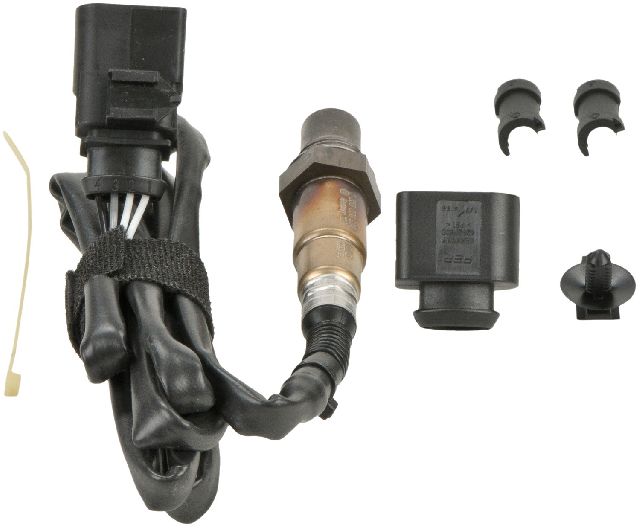
- Bosch: Bosch invented the automotive oxygen sensor and is the original equipment supplier for many Volkswagen vehicles. Choosing a Bosch sensor is often the safest bet for a direct, reliable replacement that meets or exceeds factory specifications.
- NGK/NTK: NGK (under the NTK brand for sensors) is another top-tier OEM supplier known for its quality and reliability. They are a trusted alternative to Bosch.
- Denso: As a major global OE supplier, Denso sensors are known for matching factory performance and durability. They are a highly recommended choice for Jetta owners.
Tier 2: Reputable Aftermarket
- Delphi: Delphi is a well-known brand that produces reliable aftermarket parts that are often considered equivalent to OEM standards.
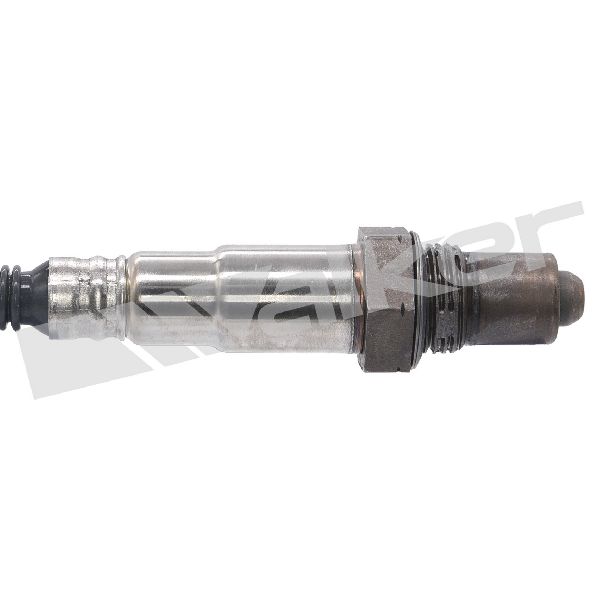
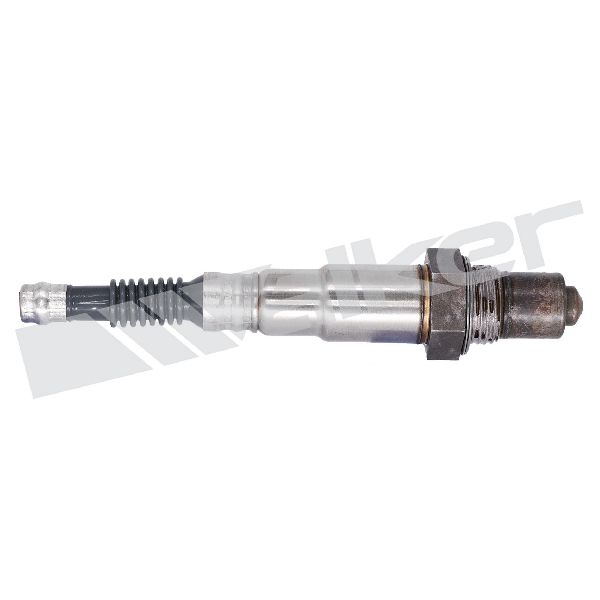
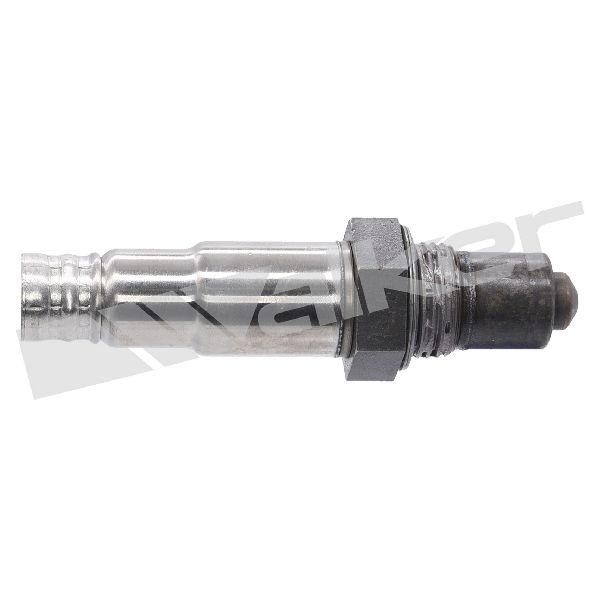
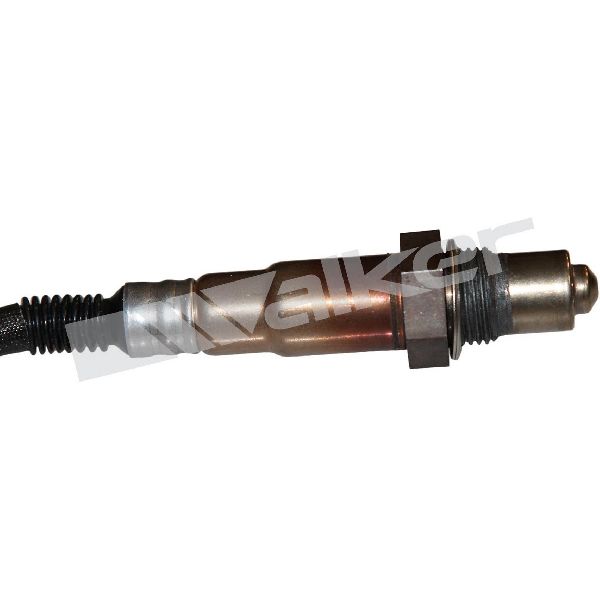
- Walker Products: Walker is a long-standing company in fuel and exhaust systems. Their sensors are known for good fitment and are a solid, affordable alternative to premium brands.
Tier 3: Budget Options
- DriveWire, Facet, Spectra, Vemo: These brands offer a more budget-friendly price point. While they can be a good choice for a quick fix on a tight budget, be aware that their lifespan and performance may not match the higher-tier brands.
Pro Tip: Upstream vs. Downstream Sensors
Your Jetta has multiple oxygen sensors. The "upstream" sensor (also called Sensor 1 or air-fuel ratio sensor) is located before the catalytic converter. The "downstream" sensor (Sensor 2) is located after it. They are not interchangeable. Always verify the correct position for the sensor you are replacing before you buy.
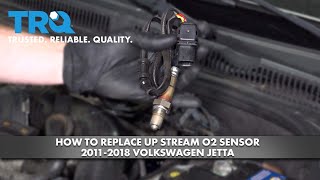
🎬 See this step-by-step upstream sensor replacement walkthroughCost of Replacing a Volkswagen Jetta Oxygen Sensor
| Part/Service | Estimated Cost |
|---|---|
| New Aftermarket Oxygen Sensor | $32 - $212 |
| Shop Labor | $100 - $200 |
| Total DIY Cost (Part Only) | $32 - $212 |
| Total Professional Replacement | $132 - $412 |
Frequently Asked Questions

How many oxygen sensors does my 2012-2019 Jetta have?
Most gasoline engine Jettas from this period have two oxygen sensors: one upstream (before the catalytic converter) and one downstream (after the catalytic converter). Some performance or specific engine models might vary, so it's always best to confirm with your vehicle's specifications.
Can I clean my oxygen sensor instead of replacing it?
It is not recommended to clean an oxygen sensor. The internal sensing element is delicate, and cleaning attempts can easily damage it or provide only a temporary fix. Replacement is the only reliable solution for a failing sensor.
Do I need a special tool to replace an O2 sensor?
Yes, it is highly recommended to use an O2 sensor socket. This special socket has a slot down the side to accommodate the sensor's wire, allowing you to properly grip and turn the sensor without damaging the wiring.
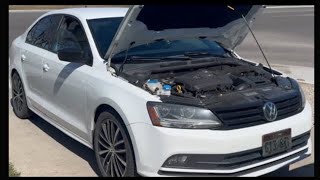
🎬 Watch: How to change the bank 1 sensor on a 1.8 TSIIs there a recall on the oxygen sensor for my Jetta?
There was an emissions recall (Code: 24CV) for 2009-2014 Jetta TDI models that involved inspecting and potentially replacing the oxygen sensor due to an issue with the air box snow flap. There is also a technical service bulletin (TSB 01-17-07) for some models regarding fault codes P2414 or P2237, which requires an ECM update and sensor replacement. No widespread recalls for O2 sensors exist for all 2012-2019 models, but it's always wise to check for TSBs related to your specific year and engine.
Helpful Videos
Technical Specifications
OEM Part Numbers: 06K906262N 06K906262H 03L906262B 06K906262CE
Vehicle will typically have two sensors: one upstream (wide-band, 5-wire) and one downstream (4-wire). Connectors and wire lengths are specific to location and engine type. Always verify the part number for your specific VIN.
We Have This Part in Stock


The information in this article is provided for general reference and educational purposes only. Vehicle specifications, procedures, and part compatibility can vary by production date, trim level, and region. Always consult your vehicle's factory service manual and verify part numbers before purchasing or performing repairs. Safety-critical components such as airbags, seat belts, and braking systems should be installed by a qualified professional.
- Volkswagen Jetta:
- 🎬 Helpful Videos
- 🛍️ Shop This Part
- Symptoms of a Failing Oxygen Sensor in a Jetta
- Don't Ignore a Bad O2 Sensor
- Choosing the Right Aftermarket Oxygen Sensor
- Tier 1: OEM or Equivalent Quality
- Tier 2: Reputable Aftermarket
- Tier 3: Budget Options
- Pro Tip: Upstream vs. Downstream Sensors
- Cost of Replacing a Volkswagen Jetta Oxygen Sensor
- Frequently Asked Questions
- 🎟️ Get 5% Off