

Chevrolet Blazer A/C Hose Assembly Guide for 2019-2020 Models
If your Blazer's A/C is blowing warm, a failed hose assembly could be the reason.
- This guide is for the 2019-2020 Chevrolet Blazer, as the model was not produced from 2012-2018.
- The most common signs of a bad A/C hose are warm air from the vents and an oily residue on or around the hose itself.
- Professional installation is required due to the need for specialized equipment to evacuate and recharge the A/C system.
- Be aware of widespread reports of premature A/C compressor failure on these models, which requires a much more extensive repair.
A Note on Vehicle Years
This article applies to the modern Chevrolet Blazer, specifically model years 2019 and 2020. The Blazer model was not produced between 2006 and 2018. If you have a 2019 or 2020 Blazer, this information is for you.
Symptoms of a Failing A/C Hose
A bad A/C hose will cause the system to lose refrigerant, leading to poor or no cooling. Watch for these specific signs:
- Warm Air from Vents: This is the most common symptom. As refrigerant leaks out, the system loses its ability to cool the air.
- Oily Residue on the Hose: The A/C system uses a special oil that circulates with the refrigerant. A leak will leave a greasy, dirt-attracting film on the hose or its metal fittings.
- Visible Damage: Look for cracks, abrasions, or fraying on the rubber sections of the hose. This can happen from age, heat, or rubbing against other parts in the engine bay.
- A/C Works Intermittently: If the leak is small, the system might have just enough refrigerant to work sometimes but not others.
Known Issue: A/C Compressor Failure
Many 2019-2020 Blazer owners have reported premature A/C compressor failures at low mileage. A failed compressor can send metal debris throughout the entire A/C system. If this happens, simply replacing the compressor is not enough; all contaminated components, including the A/C hoses, must be replaced to prevent a repeat failure.
Choosing the Right Aftermarket Part
When replacing an A/C hose on your Blazer, you have two main choices: OEM (Original Equipment Manufacturer) from a dealer or an aftermarket part.
- OEM: These parts are identical to the one your vehicle came with from the factory. Fit and quality are guaranteed, but they come at a significantly higher cost.
- Aftermarket: These parts are made by third-party companies to fit and function like the original. A quality aftermarket part can offer the same performance as OEM for a fraction of the price. Brands like Global Parts are designed to meet or exceed original specifications, making them a reliable choice for repairs. The most important factors for an aftermarket hose are correct fitment and high-quality materials that can handle system pressure and engine heat.
Pro Tip: When a new hose is installed, the system requires new O-rings at the connection points to ensure a proper seal. While some hoses come with them, it's good practice to confirm you have new, compatible seals before starting the job.
Replacement Cost
Replacing an A/C hose is a job for a professional mechanic. The process requires special equipment to safely recover old refrigerant and recharge the system. The cost is broken down into parts and labor.
| Part Type | Estimated Cost |
|---|---|
| New Aftermarket Hose | $108 - $158 |
| New OEM Hose | $190 - $450+ |
| Shop Labor & A/C Service | $171 - $251+ |
Note: Prices are estimates and can vary based on your location and the specific hose being replaced. The total repair cost often includes the A/C evacuation and recharge service.
Frequently Asked Questions
Can I replace an A/C hose myself?
This is not recommended for a DIY project. Federal law requires refrigerant to be captured by a licensed technician using special equipment. The system must also be put under a deep vacuum to remove moisture before being recharged with a precise amount of refrigerant and oil. Failure to do this correctly can lead to poor performance and damage to other A/C components.
What kind of refrigerant does the 2019-2020 Blazer use?
It varies. Some models use R-134a, while others may use the newer R-1234yf. You must check the sticker under the hood of your specific vehicle to confirm the correct type of refrigerant before servicing the system. Using the wrong type can cause damage.
If one hose is leaking, should I replace all of them?
Not necessarily. It is common to replace only the specific hose that has failed. However, if the hoses are all the same age and one has failed due to wear, it's worth inspecting the others closely for signs of cracking or leaking, as they may fail soon.
Why did my A/C hose fail on a relatively new vehicle?
A/C hoses are under constant pressure and are exposed to high heat and vibration in the engine bay. Over time, the rubber can degrade and crack, or the metal crimps can loosen. While premature failure is frustrating, it can happen due to manufacturing defects or excessive rubbing against another component.
Technical Specifications
OEM Part Numbers: 84819071 84158874
Refrigerant type must be verified on the vehicle's under-hood sticker. It will likely be R-134a or R-1234yf.
We Have This Part in Stock
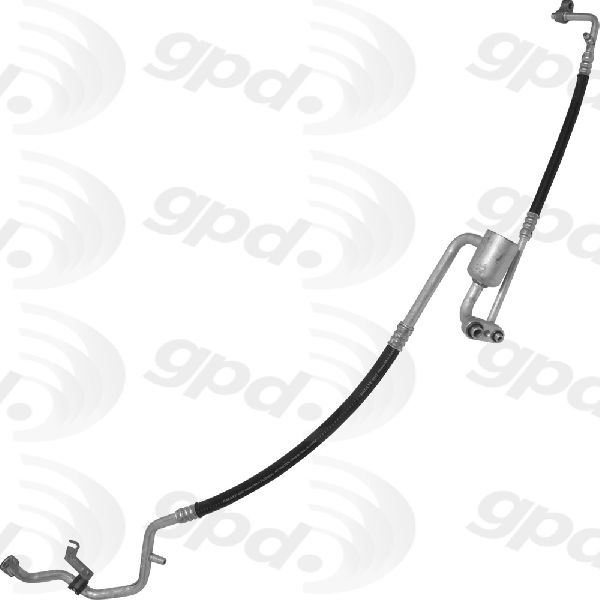
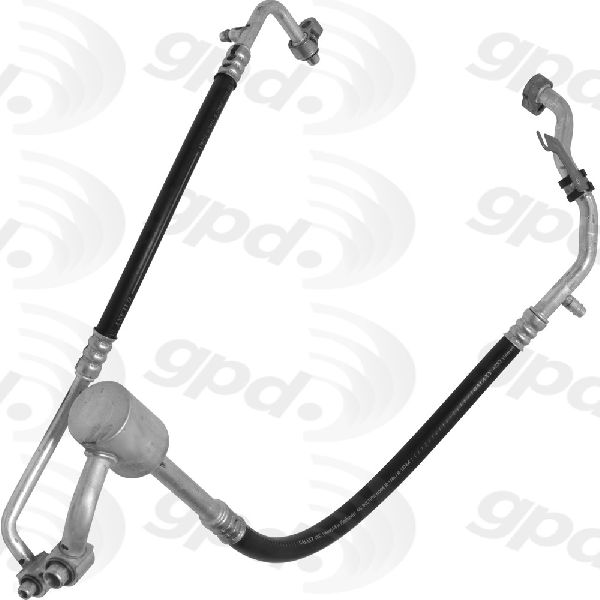

The information in this article is provided for general reference and educational purposes only. Vehicle specifications, procedures, and part compatibility can vary by production date, trim level, and region. Always consult your vehicle's factory service manual and verify part numbers before purchasing or performing repairs. Safety-critical components such as airbags, seat belts, and braking systems should be installed by a qualified professional.
- Chevrolet Blazer: