

Chevrolet Impala Brake Caliper Guide for 2012-2020 Models
Solving common Impala brake problems like pulling, spongy pedals, and seizing with the right new calipers.
- First, verify if your Impala is a 9th Gen (2012-13) or 10th Gen (2014-20) as the parts are not interchangeable.
- Check for open recalls, especially NHTSA 18V576 for spongy brakes on 2018-2019 models.
- Symptoms like pulling, spongy pedal, or fluid leaks are serious safety issues that require immediate attention.
- Always replace brake calipers in pairs (left and right) to ensure balanced and safe braking.
Is Your Impala a 9th or 10th Generation? It Matters.
Before ordering a brake caliper, you must know your Impala's generation. The 2012-2020 year range covers two completely different cars:
- 9th Generation (2012-2013): This also includes the 'Impala Limited' models sold from 2014-2016, which were mainly for fleet sales. These use different brake parts than the newer models.
- 10th Generation (2014-2020): A complete redesign with different calipers, particularly in the rear due to an electronic parking brake.
Ordering for the wrong generation is the most common mistake. Double-check your vehicle's year and model before purchasing.
Signs of a Failing Brake Caliper on Your Impala
A bad caliper isn't always dramatic. It often starts with small signs. Look out for these common symptoms:
- Car Pulls to One Side: When you brake, the car veers left or right. This is a classic sign of a seized or sticking caliper on one side.
- Spongy or Soft Brake Pedal: The pedal feels mushy or goes closer to the floor than usual. This can be caused by air in the brake lines from a bad caliper or, on specific models, a known defect.
- Brake Fluid Leak: You see a puddle of oily fluid near the inside of your wheel. Brake fluid is essential, and a leak is a critical safety issue.
- Grinding or Squealing Noises: A constant noise that may or may not go away when you brake can mean a caliper is stuck, forcing the pad against the rotor.
- Uneven Brake Pad Wear: When checking your brakes, the pads on one side of the caliper (or one wheel) are much more worn than the other.
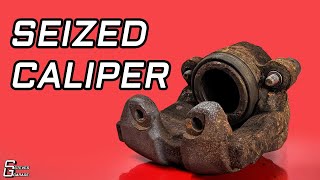
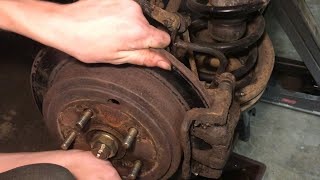
- Burning Smell: A hot, chemical smell from a wheel after driving indicates a dragging brake, often caused by a seized caliper. 🎬 See how to tell if the caliper or hose is seized
Known Issues: Recalls and Technical Service Bulletins (TSBs)
For the 10th generation Impala, there are significant, verified issues related to the brake calipers.
NHTSA Recall 18V576 (GM #18279): This is a major safety recall for 2018-2019 Chevrolet Impala models. The rear brake caliper pistons had a manufacturing defect that could trap hydrogen gas. This trapped gas can enter the brake fluid, causing a spongy brake pedal and reducing rear braking power, which increases the risk of a crash. The official fix is for a GM dealer to bleed the brake system to remove the gas, free of charge. If you own an affected model and experience a soft pedal, this should be your first check.
Electronic Parking Brake Recall (Related to NHTSA 14V-541): Some 2014-2015 Impala models were recalled for a software issue with the electronic parking brake. This could cause the rear brakes to apply unexpectedly or fail to release, leading to excessive heat and wear. While a software issue, it directly affects the caliper's function.
Choosing the Right Aftermarket Caliper Brand
With many brands available, it's hard to know which to choose. Here’s how they generally stack up for your Impala.
| Brand Tier | Brands | Best For |
|---|---|---|
| Premium & OEM | ACDelco (Gold/Professional), PowerStop | Owners who want original equipment quality or a performance upgrade. ACDelco is the OEM supplier for GM. PowerStop offers coated calipers and is known for complete brake kits. |
| Quality Aftermarket | Raybestos, Centric, Dynamic Friction, Cardone (New) | The best balance of price and quality for daily driving. These are trusted brands that meet or exceed OEM specifications without the premium price tag. |
| Economy / Remanufactured | BBB Industries, Cardone (Remanufactured) | Budget-conscious repairs. Remanufactured calipers are rebuilt OEM cores with new seals and hardware. They are a cost-effective option but quality can sometimes be less consistent than a new part. |
Frequently Asked Questions
Do I need to replace calipers in pairs?
Yes, it is highly recommended. Replacing both the left and right calipers on an axle at the same time ensures even braking performance and predictable handling. A new caliper will behave differently than an old, worn one.
What is the difference between a new and a remanufactured caliper?
A new caliper is 100% new from the casting to the seals. A remanufactured caliper starts with an original (OEM) caliper body, which is cleaned, inspected, and rebuilt with new seals, boots, and pistons as needed. Remanufactured parts are cheaper and better for the environment, but new parts offer the highest assurance of quality and longevity.
Why is my brake pedal still spongy after replacing the caliper?
This is a common issue, especially on the 9th generation Impala. It almost always means there is still air trapped in the brake lines. The system can be difficult to bleed and may require a pressure bleeder or a scan tool to cycle the ABS pump to get all the air out. For 2018-2019 models, this symptom could be related to the hydrogen gas recall.
Can I upgrade my 9th Gen (2012-2013) Impala brakes?
Yes. A popular and straightforward upgrade for the 9th generation Impala is to install the front calipers, caliper brackets, and larger rotors from the 9C1 Police Package model. This provides a noticeable improvement in stopping power using readily available GM parts. This upgrade requires 17-inch or larger wheels to clear the bigger calipers.
Helpful Videos
Technical Specifications
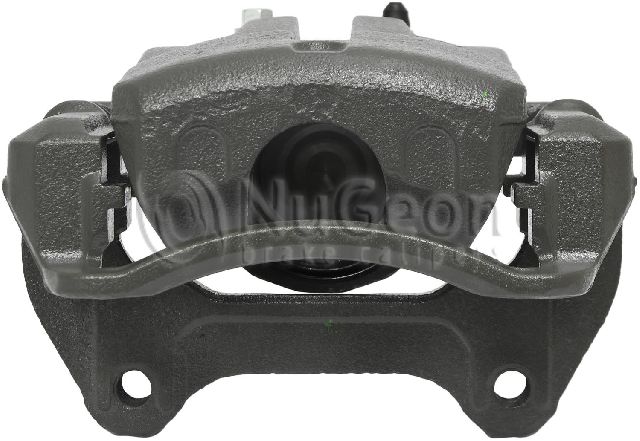
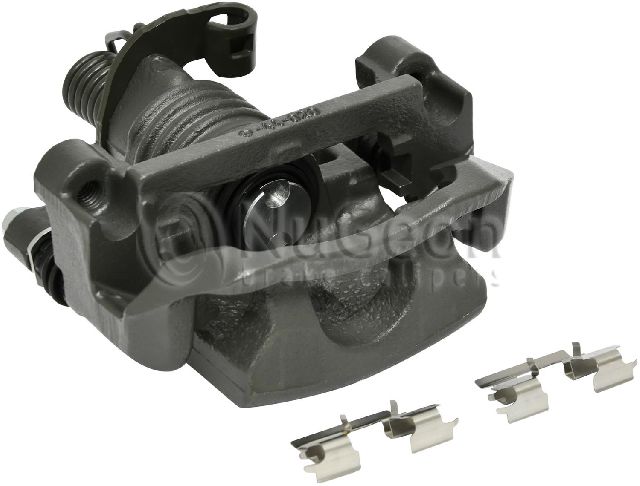
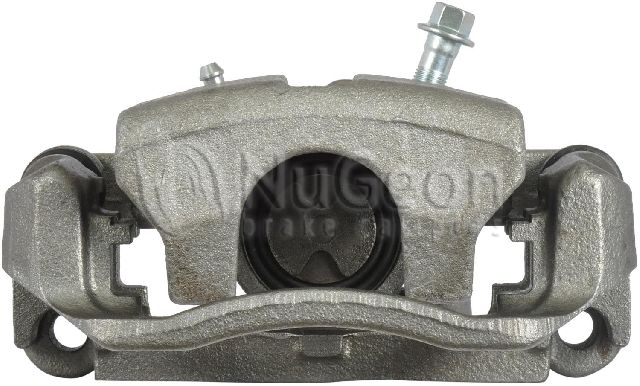
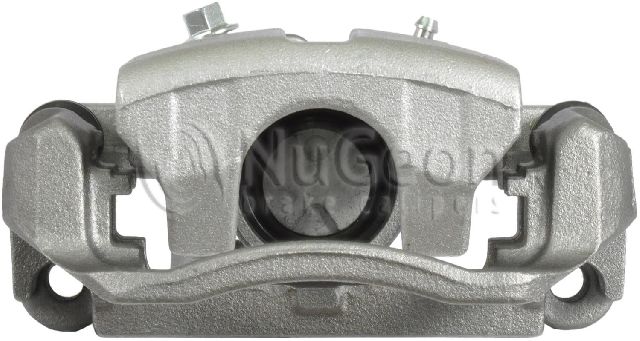
Varies by generation. 9th Gen (2012-2013) uses front calipers with 2 phenolic pistons. 10th Gen (2014-2020) uses front calipers with 1 steel piston and rear calipers integrated with an electronic parking brake. Always verify fitment by VIN.
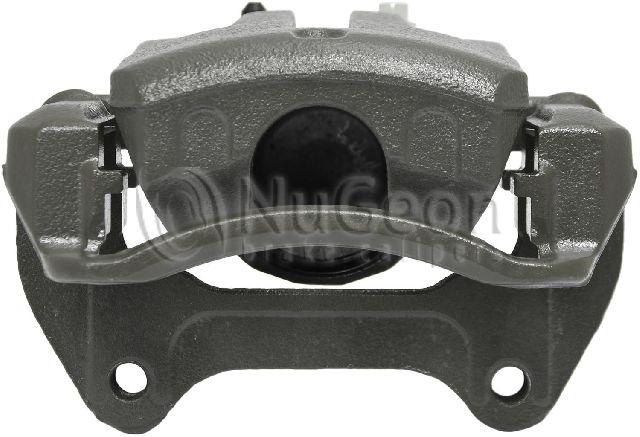
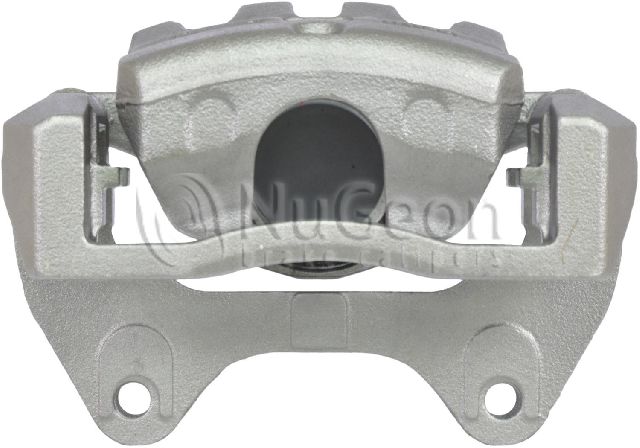
We Have This Part in Stock

The information in this article is provided for general reference and educational purposes only. Vehicle specifications, procedures, and part compatibility can vary by production date, trim level, and region. Always consult your vehicle's factory service manual and verify part numbers before purchasing or performing repairs. Safety-critical components such as airbags, seat belts, and braking systems should be installed by a qualified professional.
- Chevrolet Impala: