

Chevrolet Sonic 2012-2020 Manifold Absolute Pressure (MAP) Sensor: A Practical Guide
Solve rough idling and check engine lights by understanding your Sonic's MAP sensor and choosing the right replacement part.
- A bad MAP sensor will usually trigger the Check Engine Light with a P0106 code.
- For 1.4L Turbo engines, always check for vacuum leaks (especially the valve cover) before replacing the MAP sensor, as this is a common misdiagnosis.
- Replacement is very easy and can be done in under 30 minutes with basic tools.
- Using a quality aftermarket brand like ACDelco, Bosch, or Delphi is recommended for a reliable, long-term fix.
Is Your Sonic's MAP Sensor Failing?
A bad Manifold Absolute Pressure (MAP) sensor can cause a range of problems, from annoying to serious. Because it directly affects the air-fuel mixture, a faulty sensor can make your Sonic run poorly. Recognizing the signs early can save you from decreased fuel economy and further engine issues.
Common Symptoms of a Bad MAP Sensor:
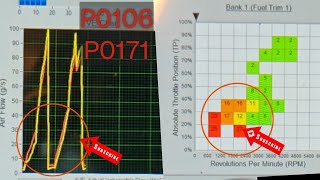
- Check Engine Light: This is the most common sign. A code scanner will often show a P0106 code, which points to a problem with the MAP sensor's performance. 🎬 See a diagnostic walkthrough for P0106 and P0171 codes.
- Rough Idle: Your car may shake or vibrate when stopped because the engine isn't getting a stable fuel mixture.
- Poor Fuel Economy: A bad sensor can trick the engine into using more gas than it needs, forcing you to visit the pump more often.
- Hesitation or Lack of Power: When you press the gas, the car might feel sluggish or slow to respond.
- Black Smoke from Exhaust: This is a sign the engine is running "rich," meaning too much fuel is being burned. This can also cause you to fail an emissions test.
A Warning for 1.4L Turbo Owners: Check for Vacuum Leaks First!
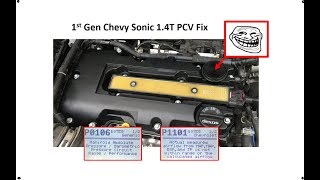
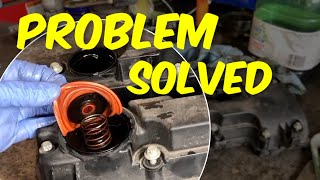
If you have a Sonic with the 1.4L Turbo engine and see a P0106 or P1101 check engine code, the MAP sensor itself may not be the problem. These engines are known to have issues with the PCV (Positive Crankcase Ventilation) system, where a torn diaphragm in the valve cover creates a vacuum leak. This leak causes symptoms identical to a bad MAP sensor. A GM Technical Service Bulletin (PI0907C) 🎬 Watch this video to fix PCV issues causing these codes. even highlights this issue. Before spending money on a new sensor, have a mechanic perform a smoke test to check for vacuum leaks from the valve cover or any intake hoses. This is a very common point of failure and a frequent misdiagnosis.
Choosing the Right Aftermarket MAP Sensor
When it's time to replace your MAP sensor, you have options. While you can go to the dealer, a quality aftermarket part can offer the same performance for less money. Here’s a breakdown of the brands available.
- Premium Brands (ACDelco, Bosch, Delphi): ACDelco is the original equipment (OE) manufacturer for GM, so choosing their "GM Genuine" part is the same as getting it from the dealer. Bosch and Delphi are also top-tier suppliers known for quality and reliability that meets or exceeds OE standards. If you want to fix the problem once and avoid future headaches, these are your best bets.
- Quality Aftermarket (Standard Ignition, NGK, Spectra, Walker Products): These brands are the workhorses of the aftermarket. They produce reliable parts that are engineered to fit and function correctly. They offer a great balance of price and quality for a dependable repair.
- Budget-Friendly (Facet, Global Parts, True Tech, Vemo): These brands offer the lowest prices. While they can be a good value, their quality can sometimes be inconsistent. A part from one of these brands might solve your problem, but if issues persist, you might question whether the part itself is to blame.
Pro Tip: Given the sensor's critical role, spending a little more on a premium or well-known aftermarket brand is a smart investment to ensure a lasting repair, especially after ruling out other issues like vacuum leaks.
Cost of Replacing a Chevrolet Sonic MAP Sensor
The cost is relatively low, especially if you do it yourself. The part itself is affordable, and the job is quick.
| Item | Estimated Cost |
|---|---|
| New Aftermarket MAP Sensor | $39.20 - $96.83 |
| New OEM MAP Sensor | $60 - $95 |
| Shop Labor | $37 - $55 |
| Total (Installed at a Shop) | $100 - $150 |
Frequently Asked Questions
Where is the MAP sensor on a 2012-2020 Chevy Sonic?
The location depends on your engine. On the 1.8L engine, it is on the back of the engine, mounted on top of the plastic intake manifold. On the 1.4L Turbo engine, it is typically found on the top left side of the intake manifold. In both cases, it is held in by a single Torx bolt and is easy to access.
Can I replace the MAP sensor myself?
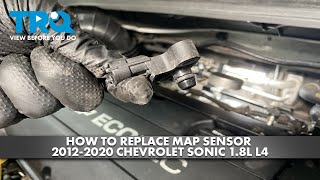
Yes, this is a very easy DIY job. It requires basic tools, like a T30 Torx driver and a ratchet. The process involves disconnecting the battery, unplugging the electrical connector, removing one bolt, and swapping the old sensor for the new one. The entire job should take less than 30 minutes.
🎬 Follow this step-by-step guide to replace the 1.8L sensor.Can I just clean my MAP sensor?
No, the MAP sensor is a sealed electronic component that cannot be cleaned or repaired. If it is faulty, it must be replaced. Attempting to clean it can cause damage.
What happens if I don't replace a bad MAP sensor?
Continuing to drive with a bad MAP sensor can lead to long-term problems. Persistently running rich can damage your catalytic converter, which is an expensive repair. You will also suffer from poor performance and waste money on gas.
Helpful Videos
Technical Specifications
OEM Part Numbers: 55567257 12594942 12644228 55573248
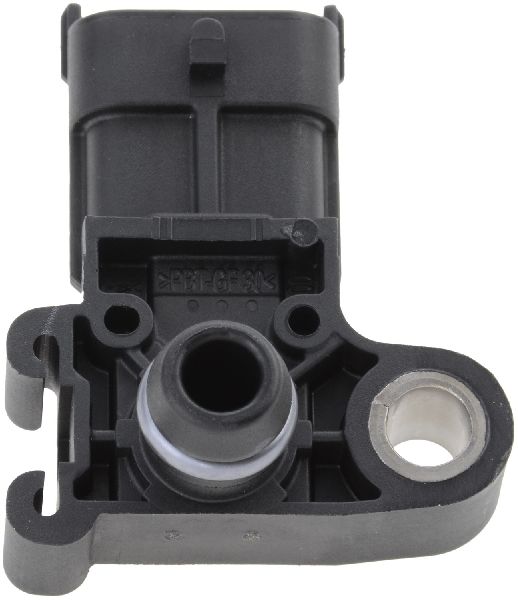
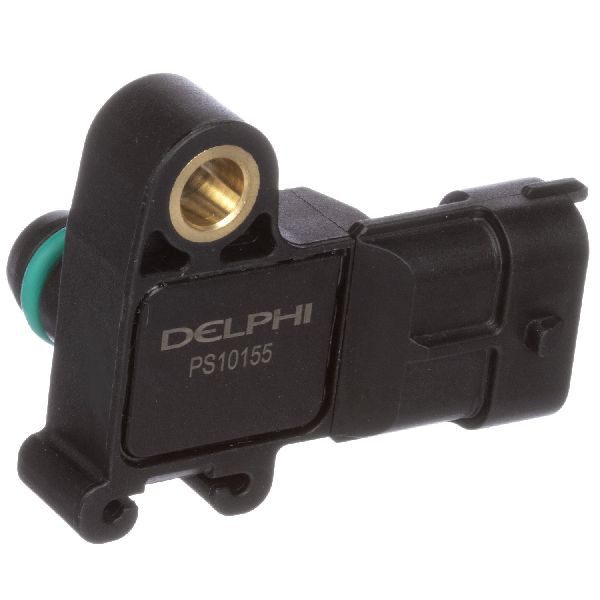
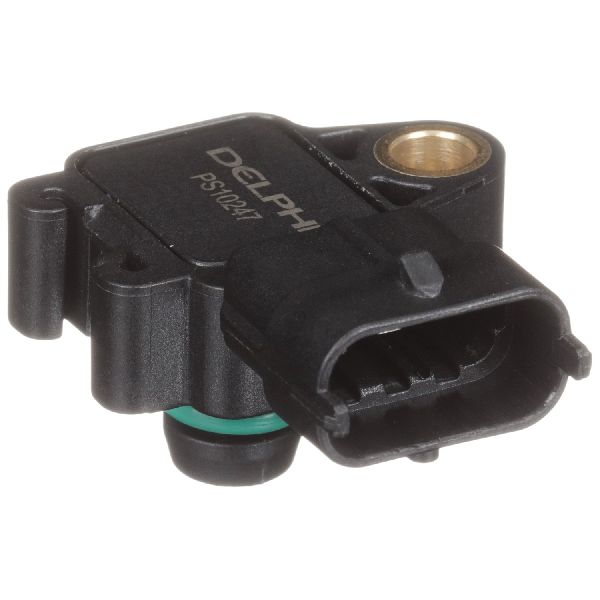
The MAP sensor for the Chevrolet Sonic is a small, 3-pin electronic sensor that mounts directly to the intake manifold. It is secured by a single T30 Torx bolt.
We Have This Part in Stock


The information in this article is provided for general reference and educational purposes only. Vehicle specifications, procedures, and part compatibility can vary by production date, trim level, and region. Always consult your vehicle's factory service manual and verify part numbers before purchasing or performing repairs. Safety-critical components such as airbags, seat belts, and braking systems should be installed by a qualified professional.
- Chevrolet Sonic:
- 🎬 Helpful Videos
- 🛍️ Shop This Part
- Is Your Sonic's MAP Sensor Failing?
- Common Symptoms of a Bad MAP Sensor:
- A Warning for 1.4L Turbo Owners: Check for Vacuum Leaks First!
- Choosing the Right Aftermarket MAP Sensor
- Cost of Replacing a Chevrolet Sonic MAP Sensor
- Frequently Asked Questions
- 🎟️ Get 5% Off