

A Guide to the Serpentine Belt for the 2012-2020 Chevrolet Sonic
Learn how to identify a failing serpentine belt and choose the right replacement for your Sonic's 1.4L or 1.8L engine.
- You must verify if your Sonic has the 1.4L Turbo or 1.8L engine before ordering, as the belts are different.
- A squealing noise is the first and most common warning sign of a failing belt or tensioner.
- For a reliable repair, replace the belt tensioner and any idler pulleys at the same time as the belt, preferably with a kit.
- Before installing a new belt, check for engine oil leaks from the valve cover, as leaking oil will quickly ruin the new part.
Is Your Serpentine Belt Failing?

A failing serpentine belt gives clear warning signs before it breaks. Being stranded is avoidable if you know what to look and listen for. If the belt snaps, your car will stop running very quickly.
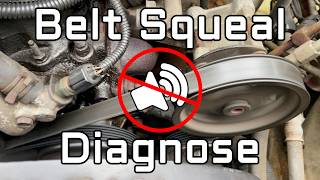
- Squealing or Chirping Noises: The most common symptom is a high-pitched squeal or chirp from the engine bay. This noise is often worse when you first start the car or turn on the A/C. It's caused by the belt slipping on the pulleys. 🎬 Watch: How to diagnose and fix a squeaky belt
- Visible Wear and Tear: Pop the hood and look at the belt. Signs of trouble include cracks, frayed edges, missing ribs, or a shiny, glazed appearance on the belt's surface.
- Battery Warning Light: If the serpentine belt slips or breaks, it can't turn the alternator properly. This will cause the battery to stop charging, and a battery warning light will appear on your dashboard. You might also notice your headlights dimming at idle.
- Engine Overheating (1.8L Engine Only): On the 1.8L Sonic, the belt drives the water pump. If the belt fails, the engine will overheat quickly, which can cause severe engine damage.
- A/C Not Working: If your air conditioning suddenly stops blowing cold air, a slipping or broken belt could be the reason, as it powers the A/C compressor.
A Note on Common Sonic Issues
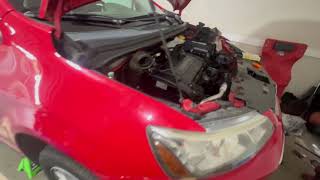
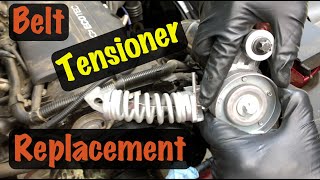
The serpentine belt itself may not be the only problem. On the Sonic, a frequent cause of belt failure is a bad belt tensioner. The tensioner is a spring-loaded pulley that keeps the belt tight. 🎬 See how to replace a broken drive belt tensioner When it weakens, it allows the belt to slip, squeal, and wear out fast. Additionally, oil leaks from the valve cover or oil cooler can drip onto the belt, causing the rubber to degrade and fail prematurely. Always inspect for oil leaks when checking your belt.
Choosing the Right Aftermarket Serpentine Belt

You don't need to buy an OEM belt to get great quality. Reputable aftermarket brands often meet or exceed OEM specifications. When shopping, you'll find belts sold individually or in kits that include a new tensioner and idler pulleys. Buying a kit is highly recommended, especially if your car has over 60,000 miles or if the tensioner has never been replaced.
- Premium Brands (OEM Quality): Gates and Continental are top-tier brands known for making original equipment parts for many car manufacturers. They offer excellent durability and are a trusted choice for a long-lasting repair. Gates also offers popular kits that include the belt and tensioner.
- Quality Mid-Range Brands: Dayco and INA are also well-regarded. Dayco is often seen as a great balance of quality and value. INA is a respected OEM supplier, particularly for tensioners and bearings, and is often found in belt kits.
Avoid This Common Mistake
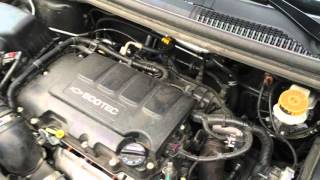
The 2012-2020 Chevrolet Sonic came with two different engines: a 1.4L Turbo and a 1.8L. These engines use different serpentine belts. Before you order, you must confirm which engine your Sonic has to ensure you get the correct part.
🎬 Watch this step-by-step 1.8L serpentine belt replacement tutorialAftermarket Serpentine Belt Cost for 2012-2020 Chevrolet Sonic
| Part/Service | Estimated Cost |
|---|---|
| New Aftermarket Serpentine Belt | $8 - $58 |
| New Aftermarket Belt & Tensioner Kit | $55 - $155 |
| Shop Labor | $114 - $167 |
| Total Professional Replacement | $161 - $215 |
Frequently Asked Questions

When should I replace my Sonic's serpentine belt?
There isn't a strict mileage interval, but most modern belts last between 60,000 and 100,000 miles. The best approach is to inspect the belt for cracks, fraying, or glazing during every oil change. If you hear any squealing, inspect it immediately.
Should I replace the tensioner and pulleys with the belt?
Yes, it is highly recommended. The tensioner and any idler pulleys have bearings that wear out over time. A failed tensioner is a common reason for a new belt to fail, so replacing them together saves you from doing the job twice. Kits from brands like Gates often include all necessary components.
What is the difference between the 1.4L and 1.8L engine belts?
They are different lengths and are not interchangeable. The biggest functional difference is that the serpentine belt on the 1.8L engine also drives the water pump, while the 1.4L engine's water pump is run by the timing chain. This means a broken belt on a 1.8L will cause the engine to overheat, but it will not on a 1.4L.
What happens if the serpentine belt breaks while driving?
Your engine will shut down within minutes. The alternator will stop charging the battery, leading to a loss of all electrical systems. On a 1.8L model, the water pump will stop, causing the engine to overheat rapidly. You will lose power and need to pull over immediately.
Helpful Videos
Technical Specifications
OEM Part Numbers: 55578811 55565236 25195388 55561329
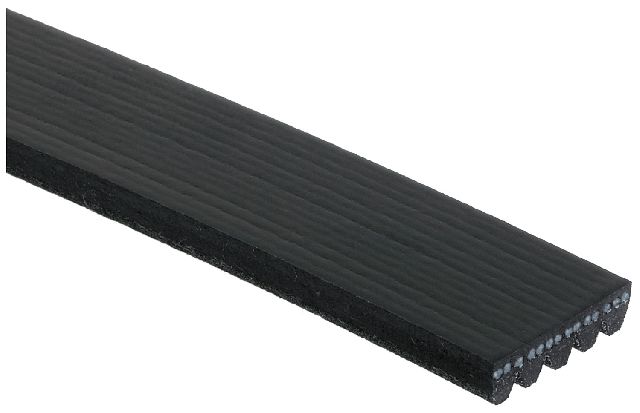
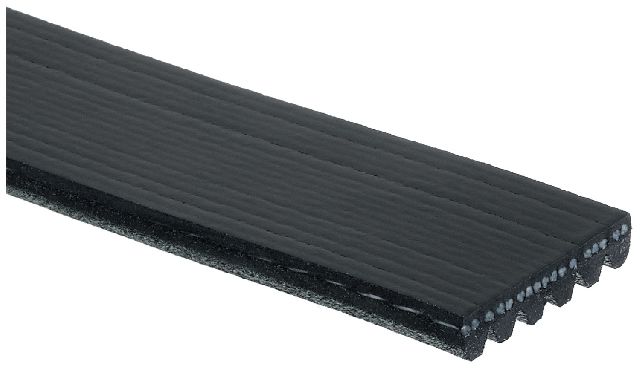
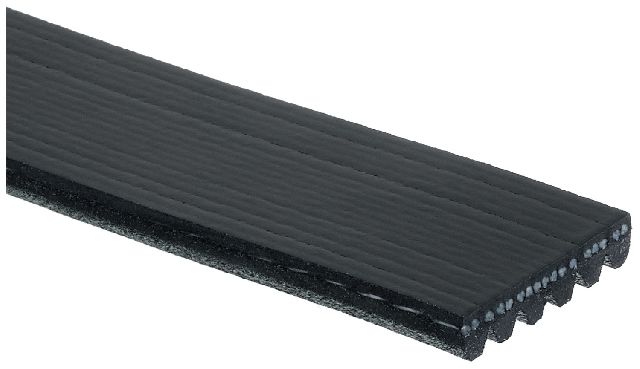
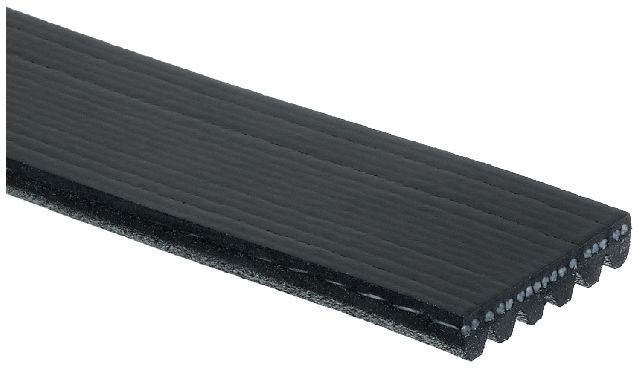
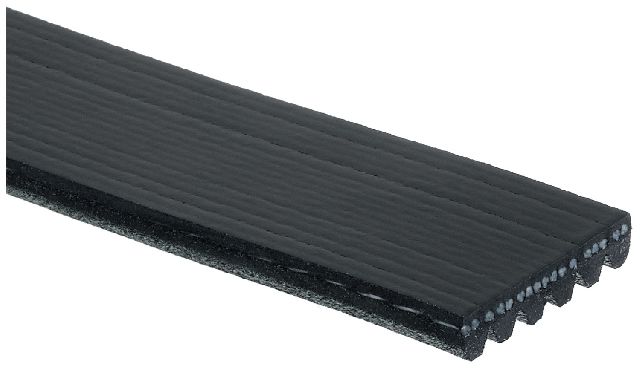
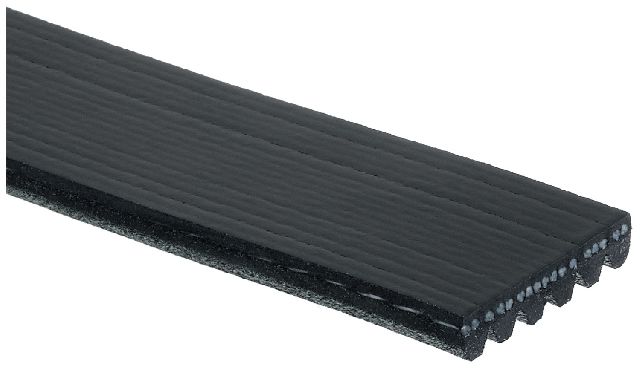
The Chevrolet Sonic uses a multi-ribbed (poly-v) serpentine belt. The specific length and number of ribs differ between the 1.4L and 1.8L engines. The 1.4L belt is typically a 6-rib belt around 1380-1390mm long. The 1.8L belt is also a 6-rib belt but is a different length. Always confirm fitment with your specific vehicle details.
We Have This Part in Stock

The information in this article is provided for general reference and educational purposes only. Vehicle specifications, procedures, and part compatibility can vary by production date, trim level, and region. Always consult your vehicle's factory service manual and verify part numbers before purchasing or performing repairs. Safety-critical components such as airbags, seat belts, and braking systems should be installed by a qualified professional.
- Chevrolet Sonic: