

A Ford Mechanic's Guide to the 2012-2020 Explorer Transmission Mount
Feeling a clunk or vibration in your Explorer? Your automatic transmission mount may be the culprit.
- The most common symptoms of failure are clunking noises when shifting and new vibrations at idle.
- For this specific part, OEM (Ford) mounts are strongly recommended over budget aftermarket brands like Anchor or DEA, which are known to cause vibration and fail prematurely.
- Replacement is a feasible DIY project that takes about two hours and requires removing the battery and airbox for access.
- Always verify the correct OEM part number for your Explorer's engine and drivetrain (AWD/FWD) before purchasing.
Is Your Explorer's Transmission Mount Failing?

A worn-out transmission mount is a common issue that can cause a range of noticeable problems. Because the mount is designed to absorb vibration and handle torque, its failure will usually result in new noises and sensations while driving. The most common signs are easy to spot once you know what to look for.
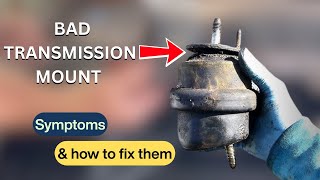
🎬 Watch: 7 common signs of a failing transmission mount.Key Symptoms of a Bad Mount:
- Clunking or Thumping Noises: This is the most frequent complaint. You may hear a distinct "clunk" or "bang" when you shift from Park into Drive or Reverse. The noise can also occur during hard acceleration or sudden braking as the transmission shifts in its cradle. 🎬 See how to diagnose clunking noises in your Explorer.
- Excessive Vibration: If the rubber in the mount has worn out, it can no longer absorb drivetrain vibrations. You might feel this as a rough idle or a new vibration in the steering wheel, seats, or floor, especially when stopped in gear.
- Jerking or Lurching: A feeling that the engine and transmission are moving or jerking excessively when you accelerate or brake can point to a failed mount that is no longer holding the transmission securely.
Known Issues & Recalls
As of early 2026, there are no active recalls or widespread Technical Service Bulletins (TSBs) from Ford specifically for the automatic transmission mount on the 2012-2020 Explorer. While some owners report vibrations, these are often linked to other issues like torque converters or spark plugs if the mounts are in good condition.
Choosing the Right Aftermarket Mount: OEM vs. Aftermarket

When replacing this part, you have a choice between Original Equipment (OEM) and various aftermarket brands. For this specific component on the Explorer, the quality difference can be significant.
OEM (Ford Motorcraft)
The consensus among mechanics and experienced owners is to use the genuine Ford part if possible. The original mounts are designed with a specific rubber density (durometer) to effectively dampen the Explorer's unique vibrations. While they may cost more than budget options, they are far less likely to cause problems like poor fitment or increased vibration. Forum users consistently report that OEM is the best way to go for a smooth, long-lasting repair.
Aftermarket Brands
Aftermarket parts offer a lower price, but quality varies dramatically.
- Economy Tier (Anchor, DEA): Brands like Anchor and DEA are widely available and very affordable. However, they have a poor reputation for this application. Owners frequently report that these mounts use harder rubber and thinner metal, leading to severe vibrations, fitment problems, and a very short service life. Many who have tried these brands end up replacing them again with an OEM part.
- Standard Tier (Westar, Pioneer): Brands like Westar claim to meet or exceed OE specifications. However, real-world comparisons have sometimes found them to have harder rubber and construction that differs from the original. They can be a viable option if OEM is not available, but expect a potential trade-off in vibration damping.
Pro Tip: Given that the labor to replace the mount is the same regardless of the part used, spending a little extra on an OEM mount is a good investment. It can save you from having to do the job twice and eliminates the risk of new vibrations caused by a low-quality part.
Cost to Replace a 2012-2020 Explorer Transmission Mount

The total cost will depend on whether you do the work yourself or hire a professional shop. The job is considered DIY-friendly for those with basic tools.
| Item | Estimated Cost |
|---|---|
| New OEM Part | $65 - $210 |
| New Aftermarket Part | $45 - $150 |
| Shop Labor | $240 - $360 |
| Total (Shop Repair) | $305 - $570 |
| Total (DIY Repair) | $45 - $210 |
Frequently Asked Questions (FAQ)

How difficult is it to replace the transmission mount myself?
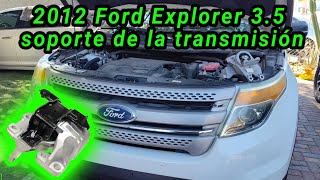
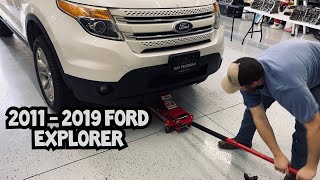
For a DIYer with some experience, this is a manageable job. It requires removing the battery and air filter housing to access the mount. You will also need a floor jack and a block of wood to safely support the transmission while you unbolt the old mount. The entire process typically takes 1.5 to 2.5 hours.
🎬 Follow this step-by-step guide to replace the mount yourself.Will a bad transmission mount cause shifting problems?
In severe cases, yes. If the mount is completely failed, the transmission can sag or move enough to throw off the alignment of the shift linkage or internal components, leading to rough or difficult shifting.
My Explorer has a vibration, but the mount looks okay. What else could it be?
Vibrations at idle or while driving can have many causes. Common culprits on the Explorer include worn spark plugs, a dirty mass airflow sensor, a vacuum leak, or issues with the torque converter. If the mount is visually intact and doesn't allow for excessive movement, it's best to investigate these other possibilities.
Why are there different part numbers for the same mount?
Ford often updates part numbers over a vehicle's production run. For example, part number BB5Z-6068-A was superseded by DB5Z-6068-A. There are also different mounts for different engines (e.g., 2.3L vs. 3.5L) and drivetrain configurations (FWD vs. AWD). It is critical to verify the correct part number for your Explorer's specific VIN before ordering.
Helpful Videos
Technical Specifications
OEM Part Numbers: BB5Z-6068-A DB5Z-6068-A BB5Z-6068-C FB5Z-6068-C
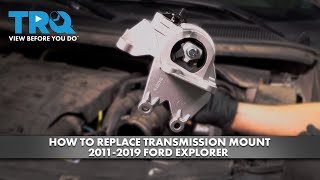
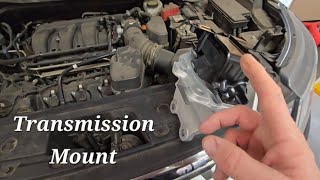
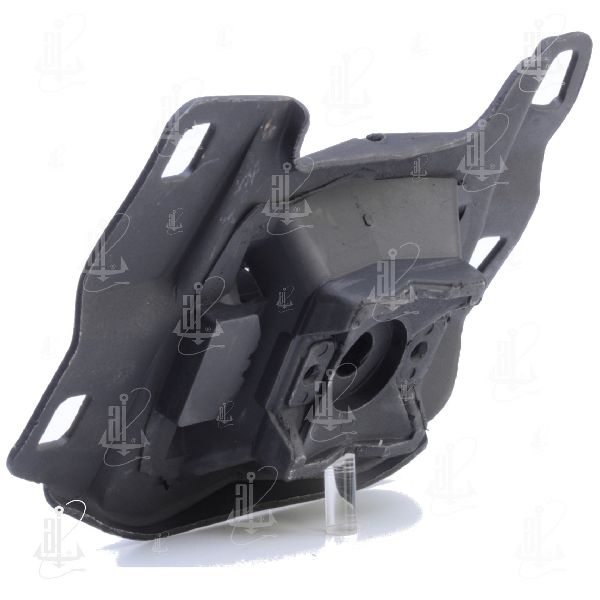
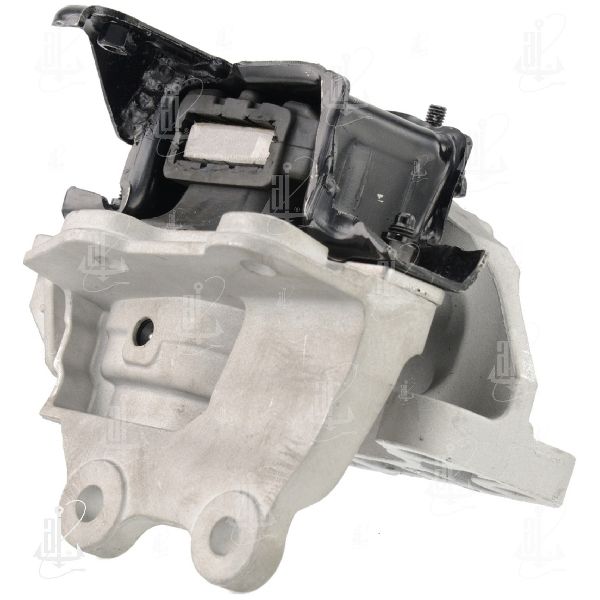
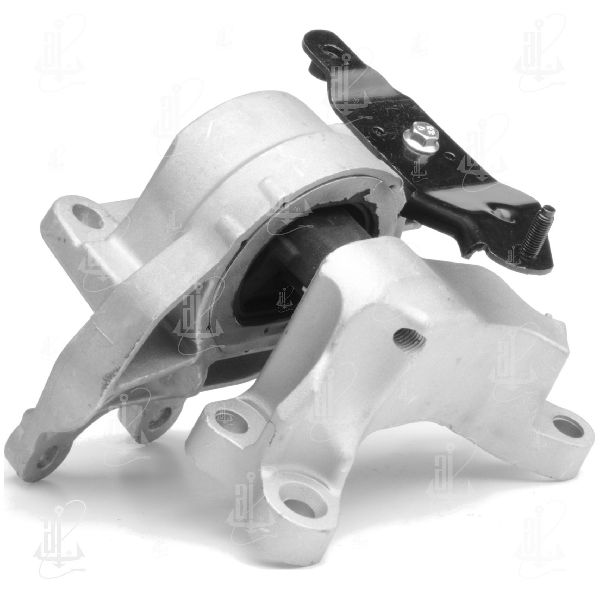
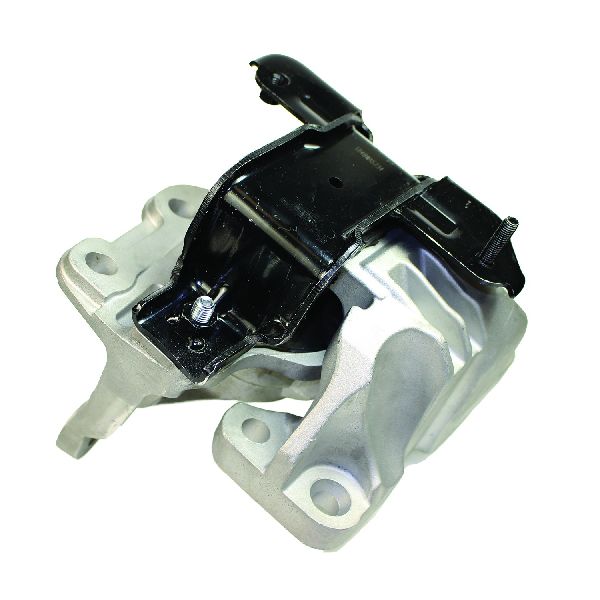
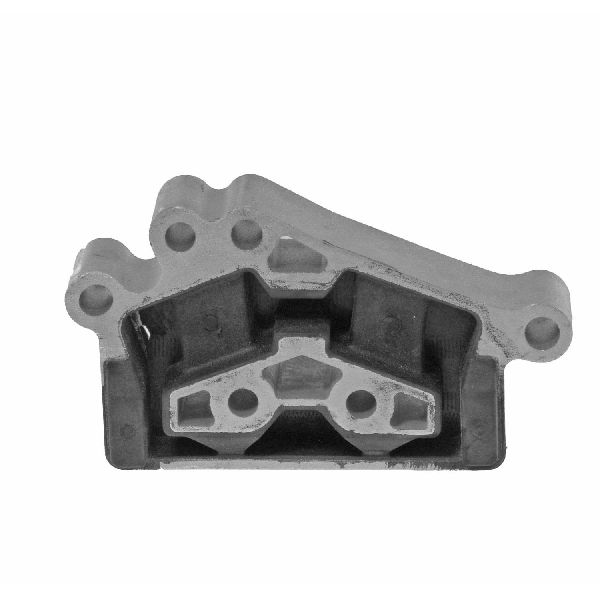
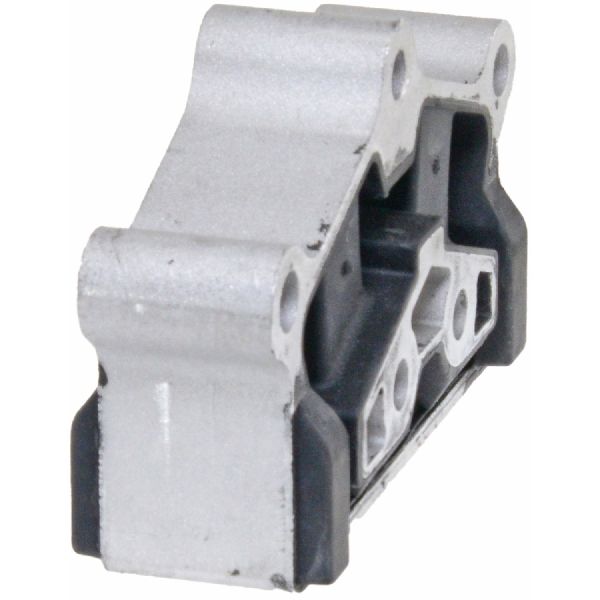
The primary transmission mount, often called a torque strut or housing, is located on the driver's side of the engine bay, underneath the air filter assembly. It consists of a metal bracket with bonded rubber bushings designed to absorb vibration and secure the transmission to the subframe.
We Have This Part in Stock

The information in this article is provided for general reference and educational purposes only. Vehicle specifications, procedures, and part compatibility can vary by production date, trim level, and region. Always consult your vehicle's factory service manual and verify part numbers before purchasing or performing repairs. Safety-critical components such as airbags, seat belts, and braking systems should be installed by a qualified professional.
- Ford Explorer:
- 🎬 Helpful Videos
- 🛍️ Shop This Part
- Is Your Explorer's Transmission Mount Failing?
- Key Symptoms of a Bad Mount:
- Known Issues & Recalls
- Choosing the Right Aftermarket Mount: OEM vs. Aftermarket
- OEM (Ford Motorcraft)
- Aftermarket Brands
- Cost to Replace a 2012-2020 Explorer Transmission Mount
- Frequently Asked Questions (FAQ)
- 🎟️ Get 5% Off