

Ford Expedition Engine Cylinder Head Temperature Sensor Guide (2012-2022)
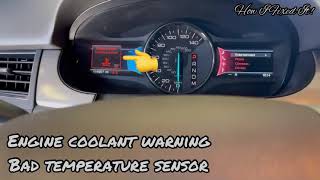
Is your Expedition's temperature gauge acting up or is it showing an overheat warning? Your Cylinder Head Temperature sensor could be the problem.
- Your Expedition uses a CHT sensor that measures head temperature, not a traditional coolant sensor.
- Sudden temperature gauge spikes are more likely a bad thermostat or air in the cooling system than a failed CHT sensor.
- The sensor is inexpensive, but labor costs are high due to its difficult-to-access location, often under the intake manifold.
- Common fault codes associated with a failed CHT sensor include P1299, P0117, and P0118.
Is Your Temperature Gauge Lying?

A common issue on the Ford Expedition is a temperature gauge that suddenly spikes to hot, followed by an engine overheat warning and the vehicle entering a reduced-power "limp mode". While your first thought might be a bad temperature sensor, it's important to investigate other common causes first.
Check Your Thermostat and Coolant First!
Before blaming the CHT sensor, be aware that erratic temperature spikes on these trucks are very frequently caused by a failing thermostat or air pockets in the cooling system. If the problem started after a coolant change, air in the system is a likely culprit. Many owners have fixed this exact issue by replacing the thermostat and properly bleeding the cooling system.
Symptoms of a Truly Failed CHT Sensor

When the CHT sensor itself fails, the symptoms are usually more consistent than the random spikes caused by a thermostat. You might experience:
- Check Engine Light: The most common sign. The PCM will store a fault code like P1299 🎬 Watch this guide on diagnosing and fixing the P1299 code. (Cylinder Head Overtemperature Protection Active), P0117 (Sensor Circuit Low), or P0118 (Sensor Circuit High).
- Consistently Incorrect Gauge Reading: The gauge might be stuck on cold, or it might peg to hot immediately after a cold start and stay there.
- Poor Engine Performance: A bad sensor can feed the computer false information, leading to poor fuel economy, reduced power, and a rough idle.
- Cooling Fans Run Constantly: The PCM may default to running the cooling fans at full speed if it can't get a reliable temperature reading. 🎬 See why a bad sensor causes fans to stay on.
- Difficulty Starting: The engine may crank longer than usual before starting.
Choosing the Right Aftermarket Sensor

The sensor itself is an inexpensive part, but replacing it can involve significant labor. Because of the high labor cost, it's wise to choose a quality part to avoid doing the job twice. Here’s a breakdown of the brands available:
- Premium Aftermarket (e.g., Standard Ignition): Standard Motor Products (SMP) is generally well-regarded for producing sensors that meet or exceed OEM specifications. They are a solid choice for reliability without the full OEM price.
- Standard Aftermarket (e.g., Dorman): Dorman is a popular brand that offers budget-friendly parts. While some of their products are innovative "OE FIX" solutions, the quality of their standard replacement electronics can sometimes be inconsistent. For a sensor where labor is the main cost, this can be a gamble.
- Value Brands (e.g., Global Parts): These are typically the most affordable options. They may be suitable for a DIY mechanic on a tight budget who is willing to risk a shorter part lifespan, but for a part that is difficult to access, it's often better to invest in a higher-quality brand.
Pro Tip: The Real Cost is Labor
The CHT sensor is often located under the intake manifold, making it difficult to access. A professional mechanic may charge several hundred dollars for labor to replace this small part. For this reason, spending a little extra on a premium aftermarket or OEM sensor is a smart investment.
Cost of Replacing the CHT Sensor
| Part Type | Estimated Part Cost |
|---|---|
| New OEM (Motorcraft) | $30 - $70 |
| New Aftermarket | $10 - $40 |
| Shop Labor | $100 - $450+ |
Frequently Asked Questions

Is it a CHT or ECT sensor on my Expedition?
The 2012-2022 Ford Expedition with the 5.4L V8 or 3.5L EcoBoost V6 uses a Cylinder Head Temperature (CHT) sensor. It does not have a traditional Engine Coolant Temperature (ECT) sensor.
Where is the CHT sensor located?
The location can vary slightly by engine, but it is typically screwed into one of the cylinder heads in a difficult-to-reach spot. On many 3.5L EcoBoost engines, it is located in the valley under the intake manifold. On some 5.4L V8 engines, it is at the rear of the right-side cylinder head.
Can I replace the CHT sensor myself?
This is a challenging job for a beginner. Due to the sensor's location, you may need to remove the intake manifold to access it. If you are an experienced DIY mechanic with the right tools, it is possible, but be prepared for a time-consuming repair.
🎬 Learn a helpful shortcut for replacing the sensor yourself.Are there any recalls for the CHT sensor?
No, there are no specific recalls or widespread Technical Service Bulletins (TSBs) for a faulty CHT sensor on the 2012-2022 Ford Expedition. However, forum discussions frequently mention issues with the sensor wiring or connector, which can cause the same problems as a bad sensor.
Helpful Videos


Technical Specifications
OEM Part Numbers: 9L8Z-6G004-E GN1Z-6G004-A
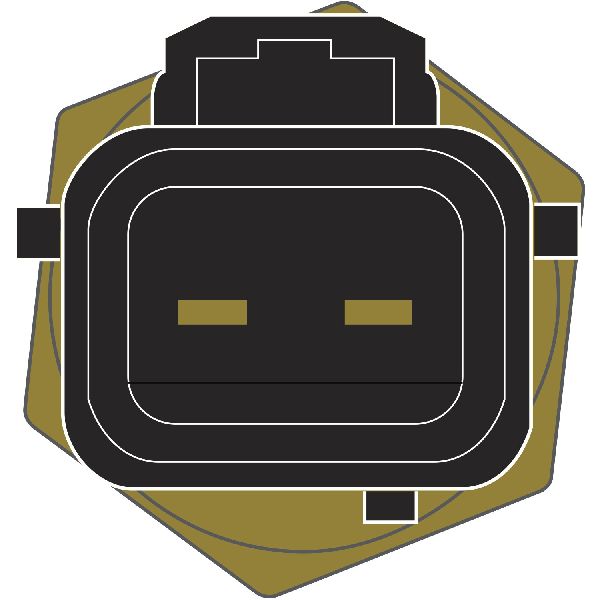
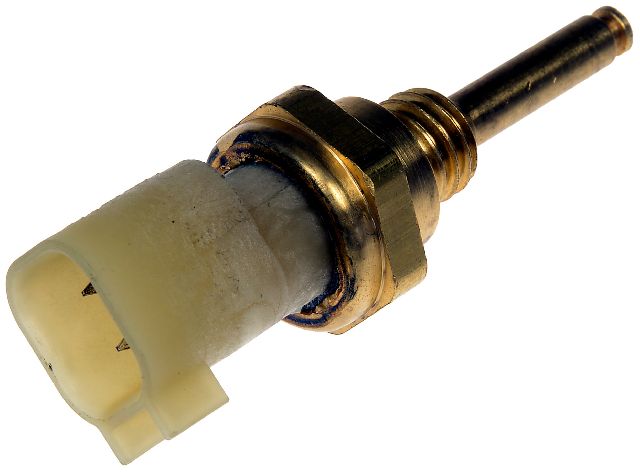
This is a two-terminal thermistor-type sensor that screws directly into the cylinder head. Its electrical resistance changes based on the temperature of the engine's metal.
We Have This Part in Stock


The information in this article is provided for general reference and educational purposes only. Vehicle specifications, procedures, and part compatibility can vary by production date, trim level, and region. Always consult your vehicle's factory service manual and verify part numbers before purchasing or performing repairs. Safety-critical components such as airbags, seat belts, and braking systems should be installed by a qualified professional.
- Ford Expedition: