

Volkswagen Passat Engine VVT Solenoid Guide (2012-2022)
Experiencing rough idle or a check engine light in your Passat? Your VVT solenoid could be the culprit.
- A bad VVT solenoid will almost always trigger a Check Engine Light with codes like P0011 or P0016.
- The most common cause of failure is dirty engine oil; always use the correct VW-spec synthetic oil.
- Replacement is a simple DIY job for most owners, typically taking less than an hour.
- For best results, choose a premium aftermarket brand like Febi, Vaico, or Standard Ignition to avoid repeat failures.
Is Your Passat's VVT Solenoid Failing?

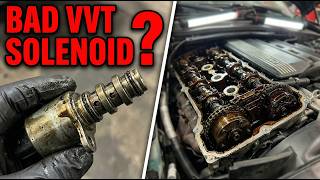
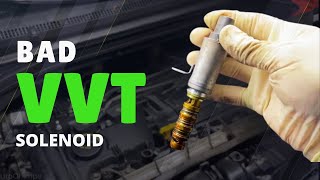
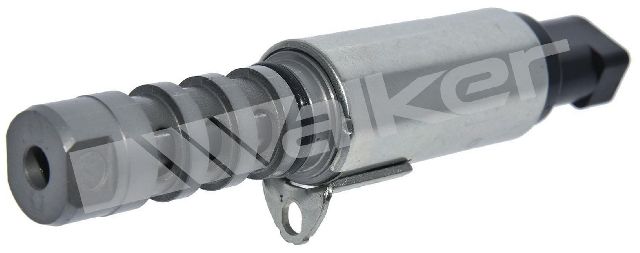
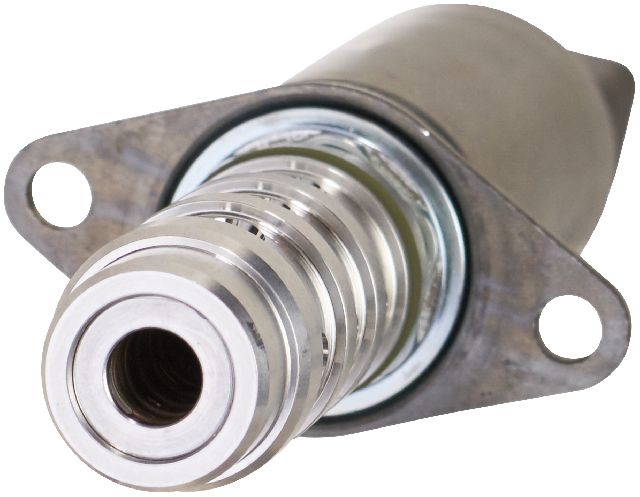
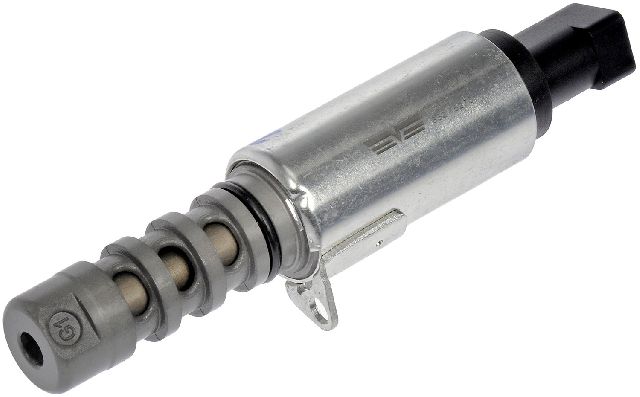
A faulty Variable Valve Timing (VVT) solenoid, also known as a camshaft adjuster solenoid on VWs, can cause noticeable engine problems. Because this part is so critical to engine timing, symptoms often appear quickly and shouldn't be ignored. The most common cause of failure is contamination from old or dirty engine oil, which can clog the solenoid's tiny internal passages and filter screens.
Key Failure Symptoms:
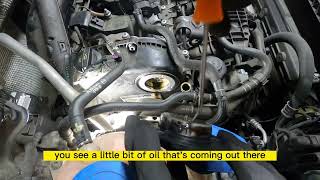
🎬 Watch: 5 common symptoms of a bad VVT solenoid.- Check Engine Light: This is the most common sign. You may see codes like P0011, P0016, P000A, or P0341 🎬 Watch how to diagnose and fix a P0011 engine code. stored in your car's computer.
- Rough Idle and Stalling: Your engine may shake or vibrate when stopped, and in some cases, it might stall completely.
- Poor Acceleration: The car may feel sluggish, hesitate, or lack power when you press the gas pedal.
- Worse Fuel Economy: If you find yourself filling up the tank more often without a change in your driving habits, a bad solenoid could be wasting fuel.
- Engine Rattle: A distinct ticking or rattling noise, sometimes heard during a cold start, can indicate the VVT system is struggling due to improper oil flow.
Choosing the Right Aftermarket VVT Solenoid

When replacing the VVT solenoid on your Passat, you have a choice between OEM and a wide range of aftermarket brands. For a sensitive German engine, part quality matters.
Brand Quality Tiers
- Premium Aftermarket (OEM-Equivalent): Brands like Febi, Hella, Vaico, and Standard Ignition (SMP) have a strong reputation for producing parts that meet or exceed original equipment specifications. These are a reliable choice for longevity and performance, ensuring you won't have to do the job twice.
- Standard Aftermarket: Brands like Dorman and Gates are well-known in the industry. Dorman often redesigns parts to address common OEM failure points, while Gates is a specialist in timing system components. These offer a good balance of quality and value.
- Economy Brands: Cheaper options found on Amazon or eBay, such as A-Premium or other unbranded parts, can be a gamble. While some may work fine, they have a higher reported rate of issues, including being dead-on-arrival or failing prematurely, which can leave you with the same check engine light you started with.
VVT Solenoid Replacement Cost for 2012-2022 VW Passat

The cost can vary depending on your Passat's specific engine (2.5L, 1.8T, 2.0T, or 3.6L VR6) and the brand you choose. The job is simple enough for many DIYers, which can save you on labor costs.
🎬 See this step-by-step Passat VVT solenoid replacement walkthrough.| Part/Service | Estimated Cost |
|---|---|
| Shop Labor | $75 - $175 |
| New OEM VW Part | $170 - $250 |
| New Aftermarket Part | $45 - $220 |
| Total Professional Replacement | $215 - $470 |
| Total DIY Replacement | $45 - $220 (Part Only) |
Frequently Asked Questions

Can I just clean my old VVT solenoid?
Yes, cleaning the solenoid is possible and may temporarily fix the issue if it's just stuck from dirty oil. However, this is often not a permanent solution. If the internal electronic components are failing, cleaning will not help, and the problem will likely return. Given the low cost of a new part and the easy replacement, replacing it is the most reliable repair.
How many VVT solenoids does my Passat have?
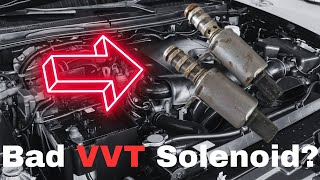
This depends on your engine. The 4-cylinder (1.8T, 2.0T) and 5-cylinder (2.5L) engines in the Passat typically have one or two solenoids (one for the intake camshaft, and sometimes one for the exhaust). The 3.6L VR6 engine will have two solenoids, one for each cylinder bank.
Is a VVT solenoid the same as a camshaft position sensor?
No, they are different parts. The Camshaft Position Sensor reads the speed and position of the camshaft and sends that information to the engine computer. The VVT Solenoid is the part that the computer then commands to *act* on that information by adjusting the camshaft timing. They work together, but are not the same component.
What happens if I ignore a bad VVT solenoid?
Driving with a failing VVT solenoid is not recommended. You will experience poor engine performance and fuel economy. Over time, the incorrect timing can put extra stress on other engine components, potentially leading to more serious and expensive damage to parts like the timing chain.
Helpful Videos
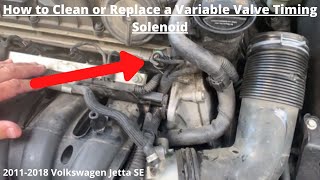

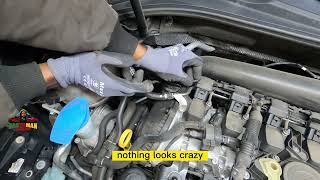
Technical Specifications
OEM Part Numbers: 06E109257P 06E109257J 06L109257F 06H109257A 06J109259C 06L109257H
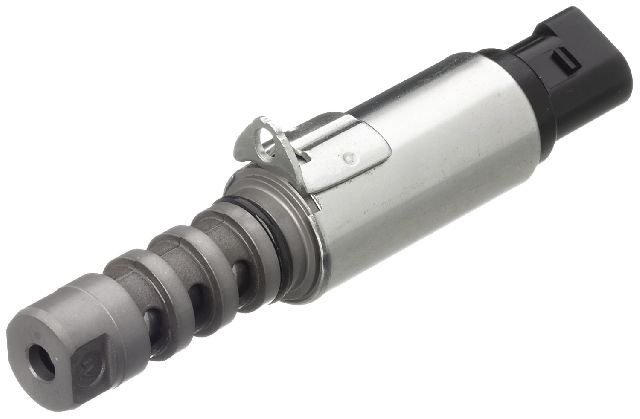
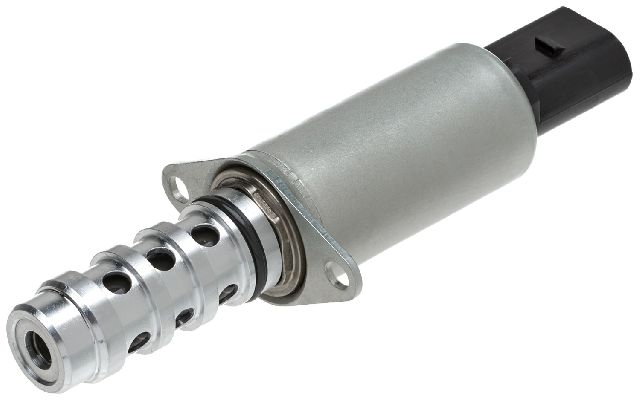
The correct VVT solenoid for your Passat depends on the specific engine (2.5L, 1.8T, 2.0T, or 3.6L VR6) and model year. Always verify the part number and fitment for your exact vehicle before ordering. Most solenoids are 12V, 2-pin electromagnetic valves.
We Have This Part in Stock


The information in this article is provided for general reference and educational purposes only. Vehicle specifications, procedures, and part compatibility can vary by production date, trim level, and region. Always consult your vehicle's factory service manual and verify part numbers before purchasing or performing repairs. Safety-critical components such as airbags, seat belts, and braking systems should be installed by a qualified professional.
- Volkswagen Passat: