

A Guide to Your 2012-2022 Volkswagen Passat Intercooler Hose
Losing power or hearing a hissing noise? Your Passat's intercooler hose might be the problem.
- A sudden loss of power and a hissing sound are the most common signs of a failed intercooler hose.
- For 2012-2014 TDI models, check for recall 17V-309, as the upper boost hose may have been part of the fix.
- Aftermarket brands like CRP/Rein and Gates offer a reliable, cost-effective alternative to expensive OEM hoses.
- Failure is often at the connection clips, not just the hose itself; ensure the new part has a quality connector.
Symptoms of a Failing Intercooler Hose

A bad intercooler hose on your Passat will cause noticeable problems. Because it's responsible for carrying pressurized air, even a small leak can affect how your engine runs. The most common issue is the hose developing a crack or, more frequently, the connection points wearing out and causing the hose to pop off under pressure.
- Sudden Loss of Power: The car will feel sluggish and slow to accelerate. This is the most common symptom.
- Hissing or Whooshing Noise: You may hear a loud hiss from the engine bay when you accelerate, which is the sound of boost pressure escaping.
- Check Engine Light: A significant boost leak will likely trigger a check engine light. The most common code is P0299 for "Turbo/Supercharger Underboost."
- Black Smoke (TDI Models): On diesel Passats, a boost leak can cause the engine to run rich, resulting in black smoke from the exhaust.
- Worse Fuel Economy: Your engine has to work harder and use more fuel when it's not getting the right amount of air.
Known Issue for 2012-2014 Passat TDI
Volkswagen issued a recall (NHTSA 17V-309) that involved the upper boost hose on some 2012-2014 TDI models. A failing hose could cause excessive soot buildup in the diesel particulate filter (DPF), leading to overheating. As part of the recall, some vehicles had the upper boost hose replaced. If you own a TDI from this era, it's worth checking if this recall was performed on your vehicle.
Choosing the Right Aftermarket Hose

When your original hose fails, you have a choice between another OEM (Original Equipment Manufacturer) part from the dealer or an aftermarket part. For the Passat, aftermarket quality is generally good and offers significant cost savings. OEM hoses can be very expensive, sometimes costing several hundred dollars.
Brand Quality Tiers
Not all aftermarket brands are the same. For a critical part like this, fitment is key, especially at the connection points.
- Tier 1: OE-Equivalent (CRP/Rein): Brands like CRP (often sold under the Rein name) are known for making parts for European cars that fit and function just like the original. They are an excellent choice for a direct, reliable replacement without the high dealer price tag.
- Tier 2: Established Aftermarket (Gates): Gates is a well-respected name, especially for rubber products like hoses. They provide a quality product that is a durable and reliable option for most owners.
- Tier 3: Standard Aftermarket (Dorman, Vaico): These brands offer a cost-effective solution and are widely available. They are a good budget-friendly choice that will get your car back on the road, though some mechanics prefer the guaranteed fit of OE-equivalent brands for the tricky VW connectors.
Pro Tip: Check the Connectors
The failure point on these hoses is often not the rubber itself, but the plastic or metal clips that lock onto the intercooler and turbo. When replacing your hose, also inspect the mounting clips and O-ring seals. A quality aftermarket part will have robust connectors that are identical to the original design.
Cost to Replace a Passat Intercooler Hose
The cost can vary depending on which hose needs replacement (there are multiple) and who does the work.
| Item | Cost Range |
|---|---|
| New Aftermarket Hose | $47 - $150 |
| New OEM Hose | $200 - $400+ |
| Shop Labor | $150 - $400 |
| Total (DIY) | $47 - $150 |
| Total (Shop) | $200 - $550 |
Frequently Asked Questions

Can I drive my Passat with a bad intercooler hose?
You can, but it's not recommended for long. Your car will have very little power, get poor gas mileage, and could go into "limp mode." For TDI models, it can also lead to excessive soot that clogs the expensive DPF system. It's best to get it fixed soon to avoid causing stress on the turbocharger.
Is it hard to replace an intercooler hose myself?
It depends on which hose it is and your experience. Some hoses are easily accessible from the top of the engine bay. Others, particularly the lower hoses, may require you to remove the front bumper or fender liner for access, making it a more involved job. The quick-connect style clips can also be tricky to release and secure properly.
Why is there oil in my old intercooler hose?
A thin film of oil inside the intercooler hoses is normal on a turbocharged engine. It comes from the crankcase ventilation (PCV) system, which routes oil vapor back into the intake. However, if you find several ounces of oil, it could be a sign of a failing turbocharger.
Should I upgrade to silicone intercooler hoses?
For most drivers, a quality rubber replacement hose (like Rein or Gates) is perfectly fine. However, if you have a tuned vehicle or live in a very hot climate, silicone hoses can offer better durability and resistance to heat and pressure. They are generally more expensive than standard rubber hoses.
Helpful Videos

Technical Specifications
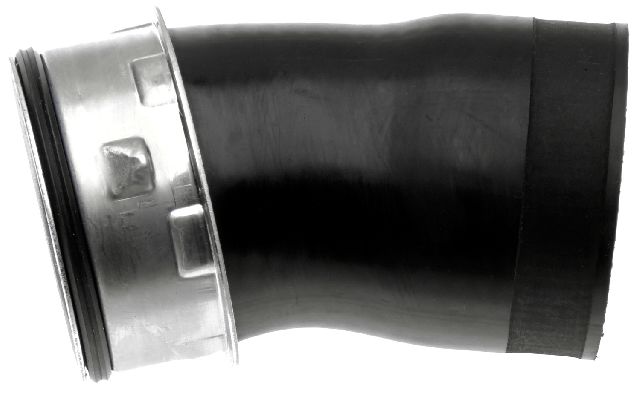
OEM Part Numbers: 3AA145832B 1K0145838N 1K0145838C 1K0145828T
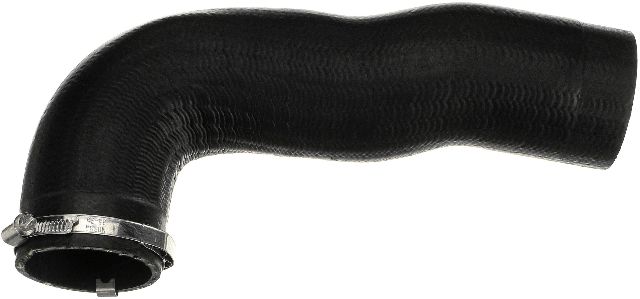
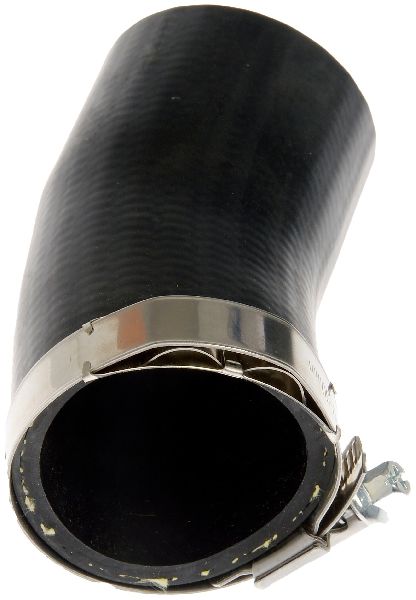
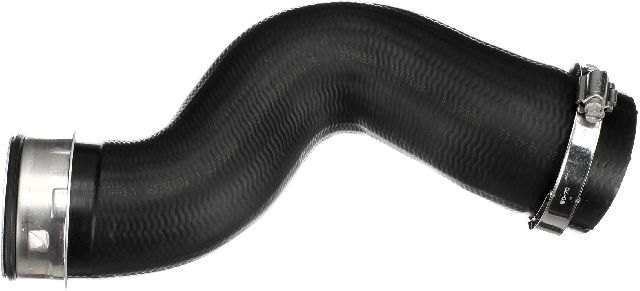
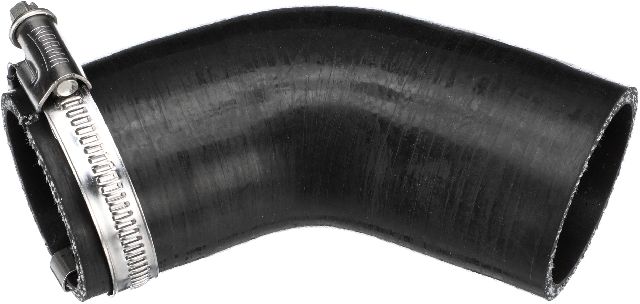
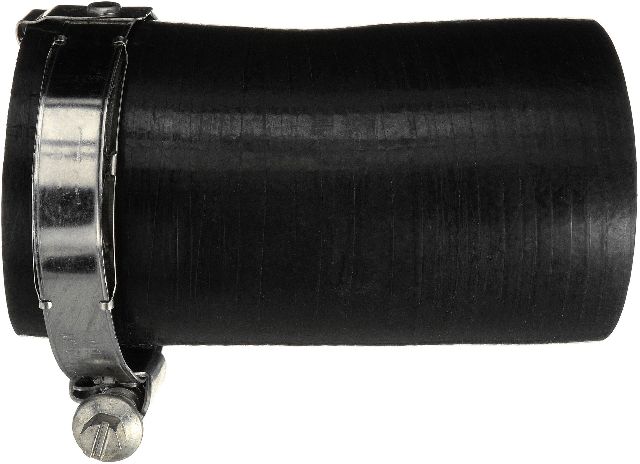
Intercooler hoses for the Passat are specific to the engine (TDI, 1.8T, 2.0T) and position (e.g., upper, lower, hot side, cold side). They typically feature quick-disconnect fittings with internal O-rings and external retaining clips. Material is typically reinforced rubber or silicone.
We Have This Part in Stock

The information in this article is provided for general reference and educational purposes only. Vehicle specifications, procedures, and part compatibility can vary by production date, trim level, and region. Always consult your vehicle's factory service manual and verify part numbers before purchasing or performing repairs. Safety-critical components such as airbags, seat belts, and braking systems should be installed by a qualified professional.
- Volkswagen Passat: